

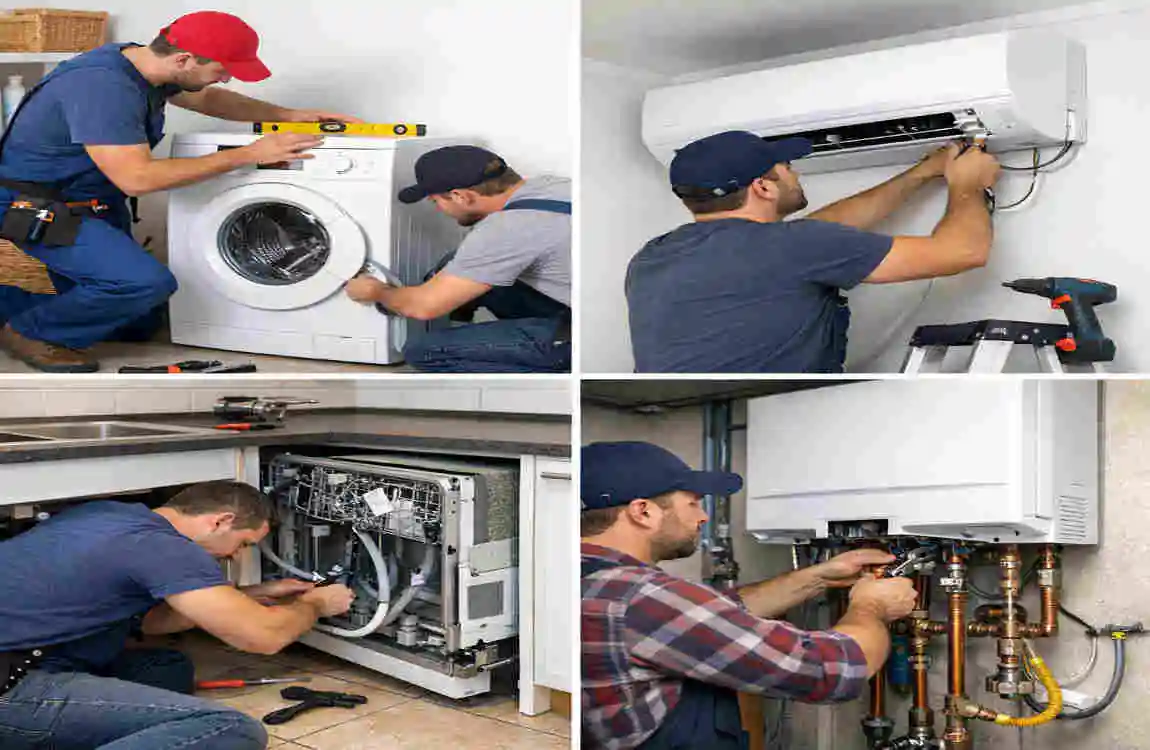
Installing machinery at home can be very useful, but it also needs careful planning. A machine may look simple from the outside, yet once it is powered, connected, or anchored in place, safety becomes a big deal.
Some machines are easy to place and use. Others need electrical work, ventilation, plumbing, or strong flooring. That is why you should handle every machine based on its size, power source, and installation needs.
Understanding Home Machinery Installation
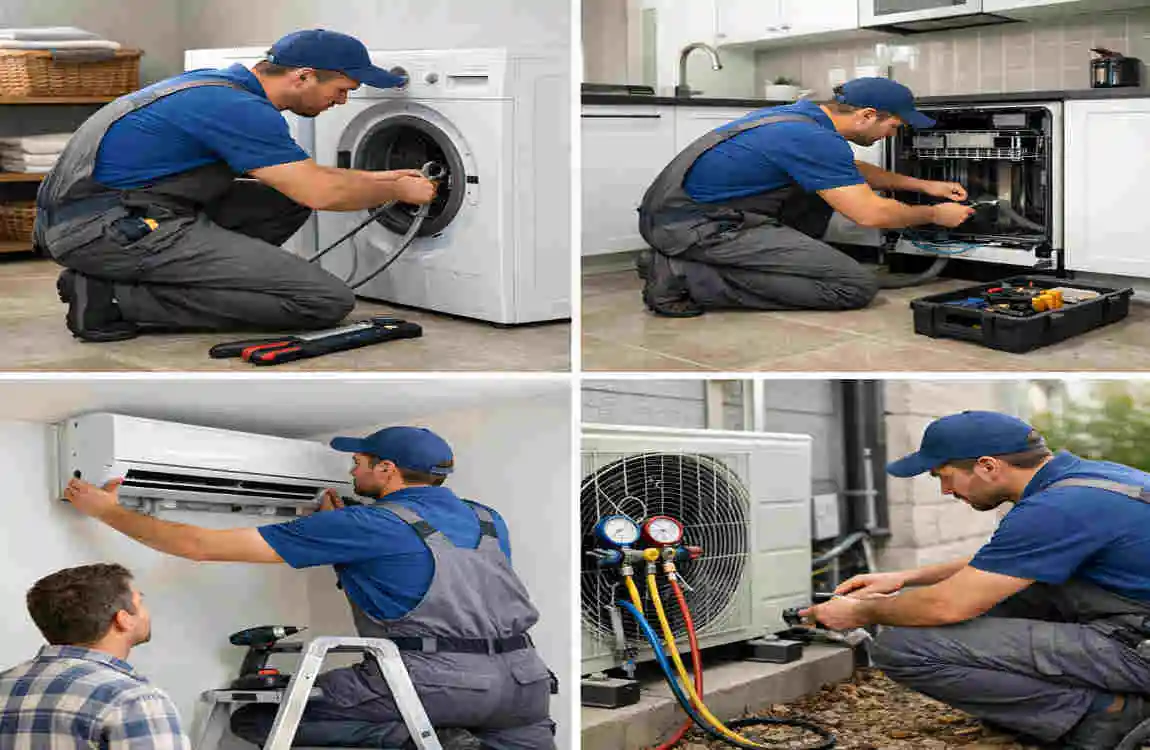
What counts as machinery at home?
Home machinery is any equipment that needs more than just plugging in and turning on. It may be small, medium, or large, but it usually has moving parts, power needs, or safety concerns.
Common examples include:
- Workshop machinery
- Generators
- Pumps
- Compressors
- Large power tools
- Home fitness equipment
- HVAC-related machinery
Portable vs. permanently installed equipment
Portable equipment is usually easier to move and set up. Permanently installed machines often need anchoring, wiring, ventilation, or service connections.
That difference matters because installation gets more complex as the machine gets heavier or more powerful.
Why planning matters first
Before bringing machinery indoors, think about:
- Space
- Noise
- Heat
- Vibration
- Weight
- Electrical needs
- Maintenance access
A little planning now can prevent major problems later.
What Is the Process of Installing Machinery at Home?
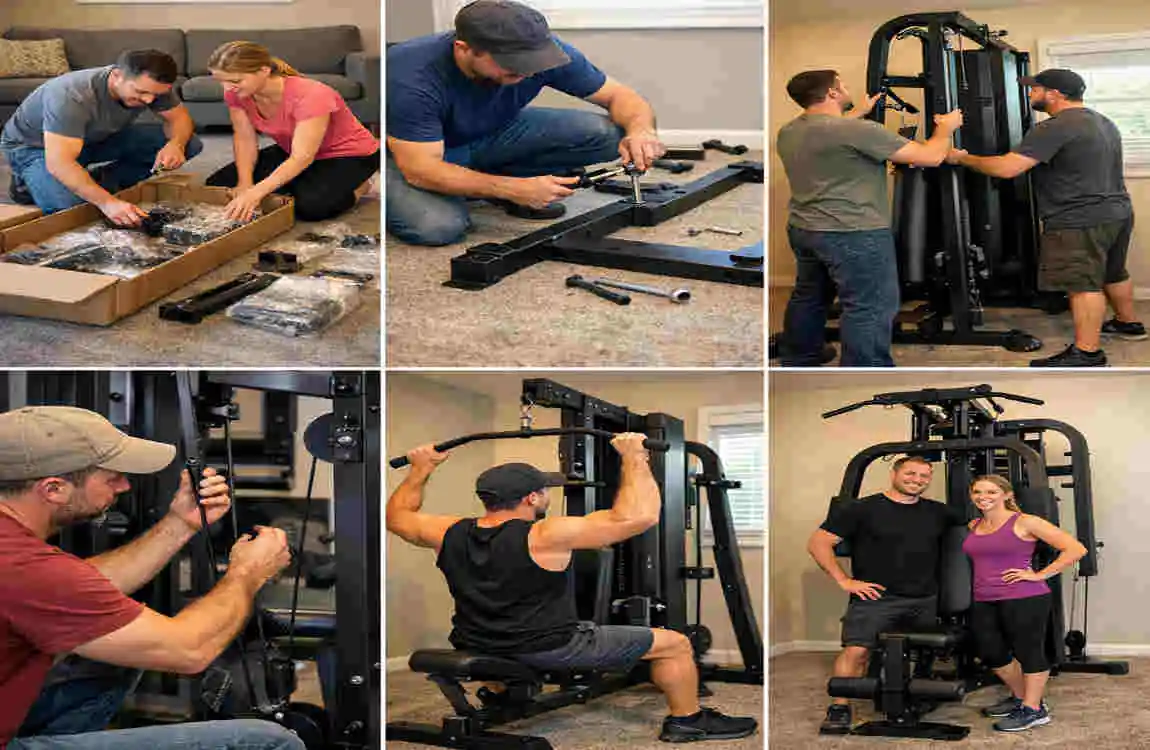
Read the manufacturer’s instructions
This is the most important place to start. Every machine comes with specific requirements, and those instructions should guide the full setup.
Do not guess if the manual gives clear directions.
Inspect the machine and accessories
Before installation, check the machine for damage, missing parts, loose items, or packaging issues. If something looks wrong, stop and resolve it first.
Prepare the installation area
The location should be clean, level, and strong enough to support the machine. Also make sure there is enough room around it for safe use and future servicing.
Check power, plumbing, or ventilation needs
Some machines need a special outlet. Others may need water, drainage, gas, air lines, or exhaust handling.
This is where many installation mistakes happen, so do not rush it.
Gather tools and safety gear
Have everything ready before you begin. That includes tools, fasteners, moving equipment, and personal protective equipment.
Move and position the machine safely
Never drag or push heavy machinery carelessly. Use proper lifting methods and enough help for the weight involved.
Secure the machine
Some machines must be bolted, anchored, or levelled before use. This helps reduce movement, vibration, and tipping risk.
Make all required connections
This may include electrical wiring, water supply, drainage, air hoses, or fuel lines. Each connection should match the manufacturer’s instructions exactly.
Check safety features
Look at guards, covers, switches, emergency stops, and warning labels. These features should work before you use the machine.
Run a first test
Start the machine carefully and listen for strange sounds, movement, heat, leaks, or vibration. A slow first test is better than a rushed one.
Do a final safety check
Before regular use, make sure the machine is stable, connected correctly, and easy to access for future maintenance.
Installation Checklist
Installation Step: What to Check
Site preparation Space, floor strength, ventilation
Equipment inspection Damage, missing parts, accessories
Positioning Level and stable placement
Connections Correct electrical or utility connections
Securing Bolts, brackets, anchors, supports
Safety features Guards, switches, emergency stops
Testing Noise, vibration, leaks, temperature
Final inspection Safe operation and maintenance access
Preparing for a Safe Machinery Installation
Measure the space first.
Do not assume the machine will fit comfortably. Measure the room, doorways, and access paths before moving anything.
Check floor strength
Heavy machines can damage weak floors. If the equipment is large or very heavy, make sure the surface can support it safely.
Plan for ventilation
Some machines produce heat, dust, fumes, or exhaust. Good airflow helps keep the area safer and more comfortable.
Keep access clear
You should be able to reach the machine for cleaning, repair, and emergency shutoff. Crowding the area makes the setup unsafe.
Common safety risks
- Electrical shock
- Fire or overheating
- Crushing injuries
- Machine movement
- Excessive vibration
- Fuel or gas leaks
- Poor ventilation
- Loose connections
How to Install Different Types of Home Machinery Safely
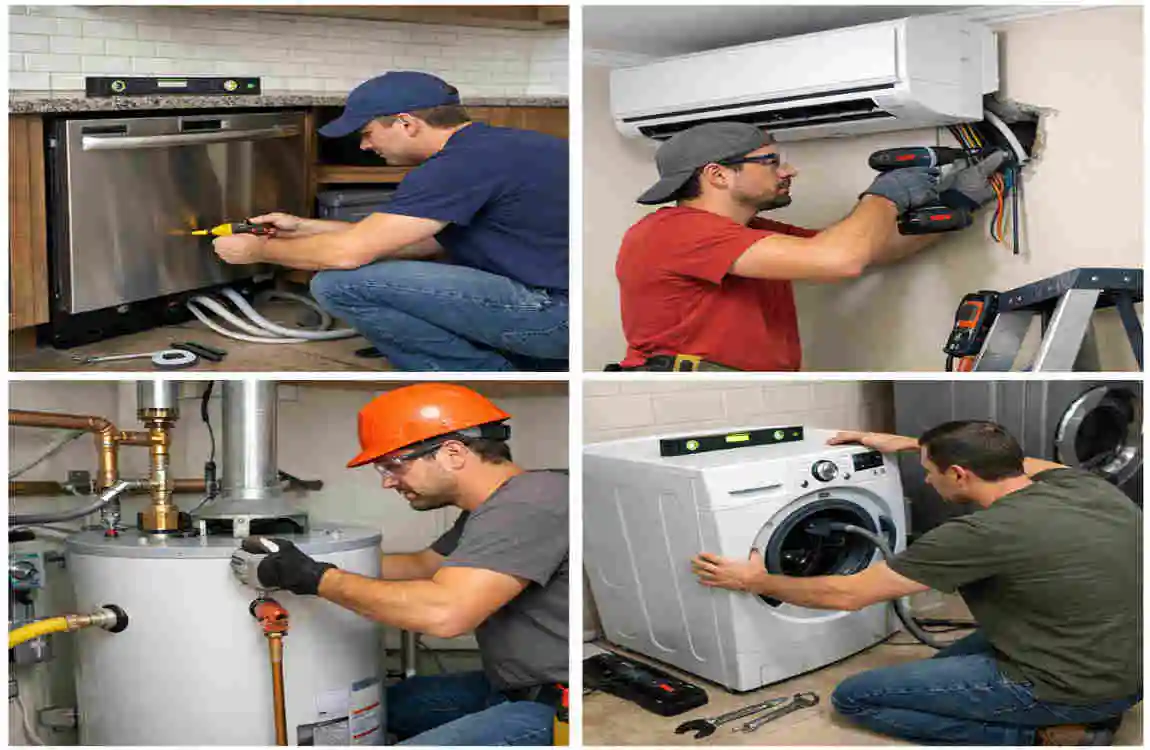
Workshop machinery
Workshop equipment often needs a flat base, proper spacing, and good dust control. Keep blades, belts, and moving parts guarded at all times.
Generators
Install generators with special care because they may produce dangerous fumes. They also need correct fuel handling and proper outdoor or ventilated placement.
Pumps and water-related machinery
Pumps may need plumbing connections and drainage planning. Always check for leaks after setup.
Air compressors
Compressors can create noise, heat, and vibration. Place them on a stable surface and allow enough room for airflow.
HVAC and mechanical equipment
These systems often require professional installation because they involve ducting, electrical work, and precise setup.
Large exercise machines
Home fitness equipment may seem simple, but heavy treadmills, rowing machines, and multi-station systems can still need careful levelling and safe floor support.
Fuel-powered machinery
Treat anything that uses gas, fuel, or exhaust with extra caution. These machines may require ventilation, fuel safety checks, and expert installation.
Electrical Machinery: Special Safety Considerations
Correct power supply
Always match the machine’s voltage and amperage needs. Wrong power levels can damage the equipment or create danger.
Use proper circuits
Some machines need dedicated circuits or circuit protection. Overloading an outlet is risky and should be avoided.
Grounding matters
Grounding helps reduce shock risk. If the machine requires grounding, never skip it.
Avoid unsafe cords
Extension cords are not a good long-term solution for powerful machinery. If the machine needs a special power setup, use a proper one.
When to call an electrician
If the machine needs hardwiring, special voltage, or a high-power circuit, hire a licensed electrician.
Heavy Machinery: Extra Care Is Needed
Check the floor and structure.
Weight is one of the biggest issues with large machinery. The surface must stay stable under load.
Use proper moving methods.
Never lift more than you can safely. Use dollies, lifts, or extra help when needed.
Anchor when required
Some machines must be secured so they do not shift during use.
Control vibration
Vibration can damage floors, loosen parts, and affect performance. Anti-vibration pads or proper levelling can help.
Keep clearance around the machine.
Leave enough space so moving parts, doors, and service panels can operate safely.
Testing, Maintenance, and Safe Operation After Installation
Why the first test matters
The first test tells you whether the machine is working correctly. It also helps you spot hidden problems before regular use begins.
Watch for warning signs.
Listen and look for:
- Unusual sounds
- Excessive heat
- Leaks
- Strong vibration
- Movement or instability
- Poor startup behaviour
Follow the operating instructions.
Once installed, use the machine exactly as the manufacturer recommends. That helps protect both the machine and the user.
Keep up with maintenance.
Create a simple schedule for checks, cleaning, and part replacement. Proper maintenance helps machines last longer.
Keep records
Save installation notes, manuals, and maintenance logs. These help with future repairs or service calls.
FAQ About Installing Machinery at Home
What is the process of installing machinery at home?
It usually starts with reading the manual, preparing the space, checking the machine, making the right connections, securing it, testing it, and doing a final safety check.
Can I install machinery myself at home?
Yes, for some simple machines. But anything electrical, heavy, gas-powered, or structurally demanding may need a professional.
What should I check before installing machinery?
Check space, floor strength, power needs, ventilation, access, and safety features.
How do I make heavy machinery safe at home?
Use a stable surface, proper lifting methods, anchoring, vibration control, and enough clearance.
Why is ventilation important for machinery?
Ventilation helps control heat, dust, fumes, and exhaust. It makes the area safer and helps the machine perform better.
How do I know if machinery needs professional installation?
If it needs special wiring, fuel lines, plumbing, structural support, or calibration, professional installation is usually the right choice.
| Key Area | Short Information |
|---|---|
| Machine Selection | Choose equipment suitable for home use, space, and power capacity. |
| Installation Location | Use a stable, dry, well-ventilated area with enough working space. |
| Electrical Safety | Check voltage, grounding, wiring, and circuit capacity before connecting machinery. |
| Floor Stability | Install heavy machinery on a strong, level surface to reduce movement and vibration. |
| Manufacturer Instructions | Follow the installation and safety instructions provided with the machine. |
| Safety Guards | Keep protective covers, shields, and emergency-stop features properly installed. |
| Ventilation | Provide adequate airflow when machinery produces heat, fumes, or dust. |
