

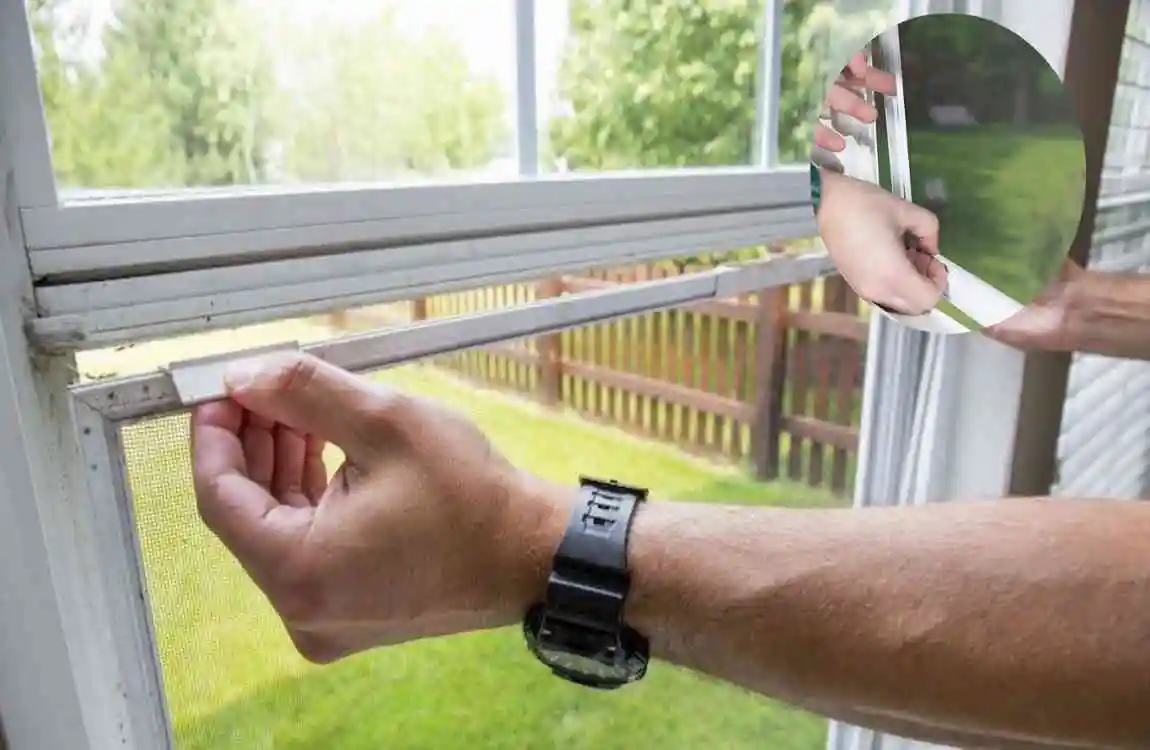
Removing a window may seem difficult at first, especially if it has a built-in or removable screen. However, once you understand the window style and how its parts connect, the process can be fairly simple.
You may need to remove a framed window with a screen for cleaning, painting, repairs, replacing damaged glass, or installing a new window.
The most important thing is to avoid forcing anything. Different window designs use different clips, springs, screws, and tracks. Before starting, take a few minutes to inspect the window and understand how it works.
What Are Framed Windows With Screens?
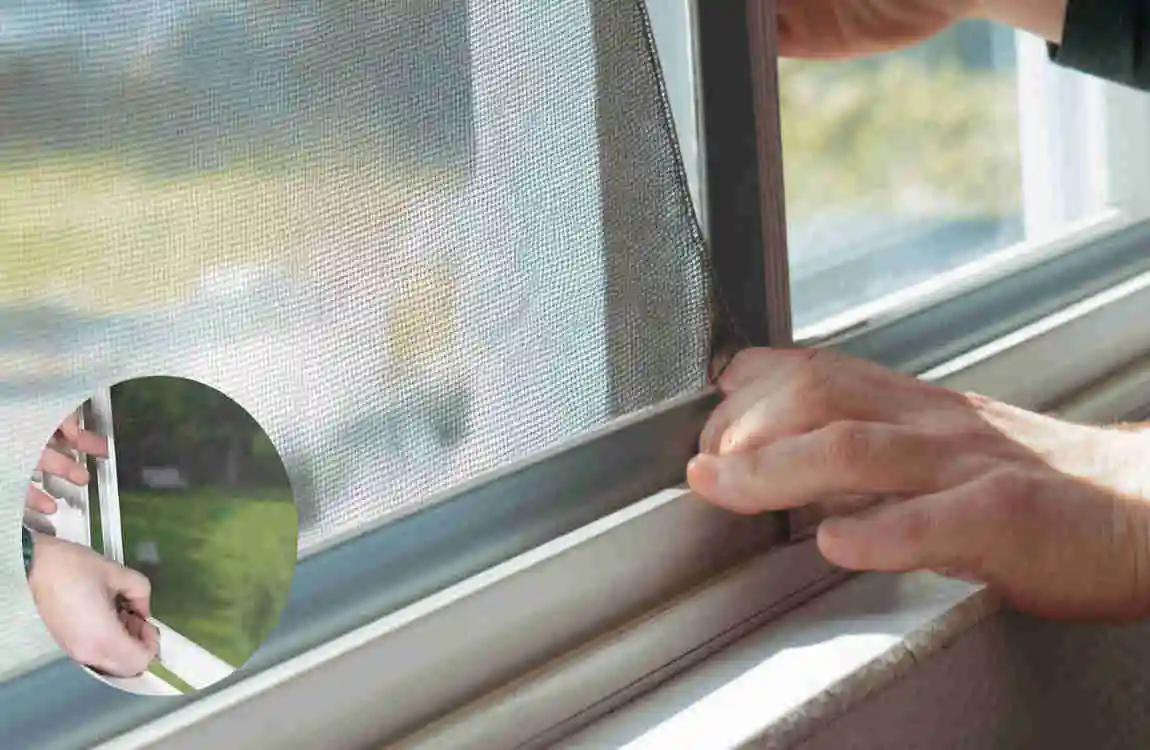
Framed windows with screens usually have two main components: the window unit and the insect screen.
The window allows natural light and ventilation into the room. At the same time, the screen keeps insects out when the window is open.
Understanding the Window Frame
The window frame is the fixed structure attached to the wall. It holds the window’s movable parts in place.
The sash holds the glass. Depending on the design, the sash may slide, tilt, or move vertically.
Understanding this difference is helpful because you may only need to remove the sash rather than the entire frame attached to the wall.
Understanding the Screen
Window screens are usually made with a lightweight frame, commonly aluminium or vinyl, and mesh material.
Some screens are removable, while others are fixed in place.
Removable screens often use tabs, springs, clips, or small handles that let you remove them without taking down the main window.
Window Type Common Removal Method Typical Use
Sliding Lift and pull sash from track Horizontal opening
Single-hung Tilt and release movable sash Vertical opening
Double-hung Tilt and disengage sash Both sashes move
Removable screen Release tabs or clips Ventilation and insect protection
Tools and Safety Tips Before Removing the Window
You usually do not need many tools for basic window removal. The exact tools depend on the window design.
Basic Tools You May Need
Keep the following items nearby:
- Screwdriver
- Putty knife or flat tool
- Work gloves
- Soft cloth or towel
- Small container for screws and clips
A flashlight can also help when checking the corners and tracks for hidden hardware.
Important Safety Precautions
Glass can break if you apply too much pressure, so work slowly and carefully.
Wear gloves when handling frames or glass. Avoid putting pressure directly on the glass edges.
If the window is large, heavy, or located in a difficult position, ask another person to help support it.
Before removing anything, place a towel or protective material on the sill or floor. This helps prevent scratches and protects the surrounding surface.
Never force a stuck window. If something does not move, stop and look for another clip, screw, latch, or locking mechanism.
How to Remove Framed Windows With Screens
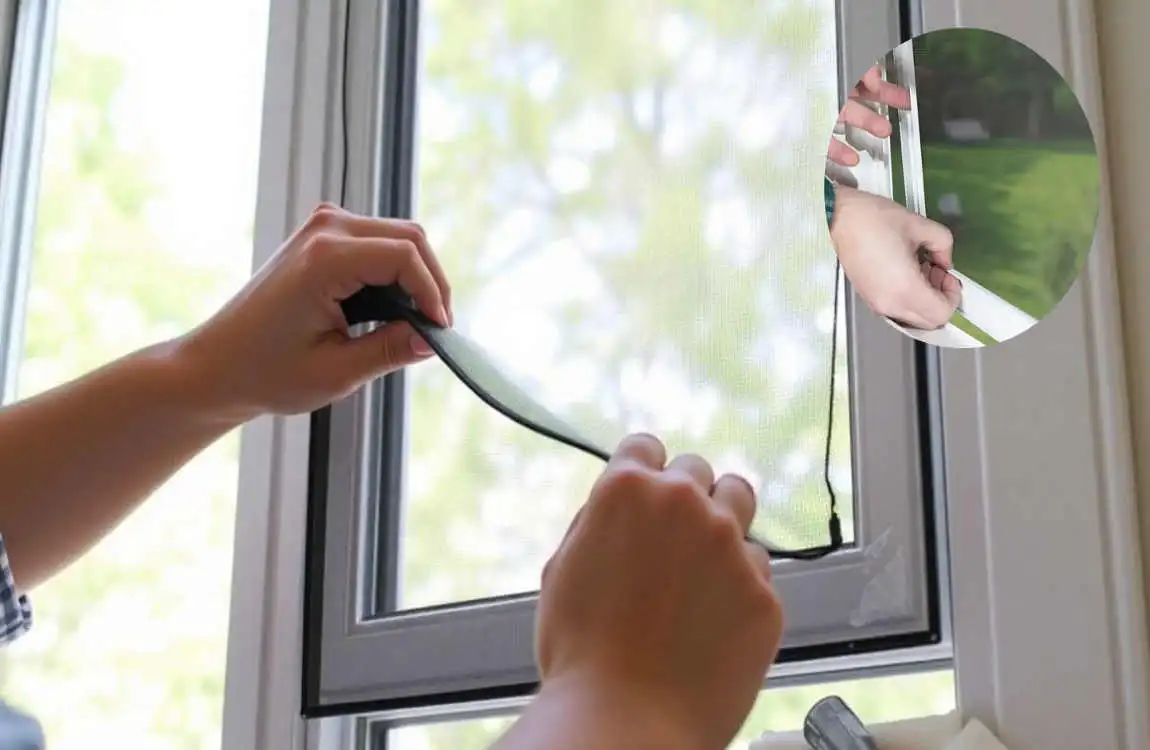
The exact process varies by window design, but these steps provide a general guide.
Inspect the Window and Screen
Start by examining the entire window.
Look for clips, latches, tabs, screws, springs, and retaining pieces.
Check whether the screen is designed to come out first. In many windows, removing the screen makes it easier to access the main window.
Take a quick photo before removing hardware. This can make reinstallation easier later.
Remove the Screen
If the screen is removable, locate its tabs or clips.
Release the clips and gently pull the screen toward you.
Some screens have spring-loaded edges. Push the spring side inward slightly, then move the opposite edge out of the track.
Do not bend the frame. Lightweight screen frames can become distorted surprisingly easily.
After removing it, place the screen on a flat, protected surface.
Open the Window
Unlock the window and move it into the position required for removal.
For a sliding window, this usually means opening the sash far enough to access its edges.
For a tilt-style window, you may need to open it slightly and operate the tilt latches.
Release the Window Sash
The removal method depends on the window type.
For a sliding window, the sash may lift upward and then come out at an angle.
For a single-hung or double-hung window, the sash may tilt inward after releasing the appropriate latches.
Some windows have screws or retaining clips you must remove first.
Keep every screw and small piece of hardware in a container so you do not lose anything.
Step 5: Set the Window Aside Safely
Once the sash is free, hold it firmly with both hands.
Place it on a soft, stable, flat surface. Avoid leaning glass against a place where it could fall.
If the unit is heavy, have someone help you carry it.
How to Remove Different Types of Framed Windows
Different window styles require slightly different techniques.
Sliding Windows
Sliding windows move horizontally along a track.
Open the sash and check the top and bottom tracks. Many designs let you lift the movable panel and pull it from the lower track.
Some models have adjustment screws or retaining mechanisms, so inspect the edges before applying force.
Single-Hung Windows
Single-hung windows have one movable sash and one fixed sash.
The movable sash may tilt inward after you release its tilt latches.
Once tilted, the sash can often be disengaged from its pivot points. Keep a firm grip because the sash may be heavier than it appears.
Double-Hung Windows
Double-hung windows allow both upper and lower sashes to move.
Many modern versions use tilt latches. After opening the sash to the correct position, activate the latches and carefully tilt the sash inward.
The balance system can contain tension, so do not pull or dismantle the balance components unnecessarily.
Removable Screen Windows
If your window has a separate removable screen, remove it before handling the main sash whenever possible.
Look for small tabs or clips around the screen frame.
Once released, gently pull the screen toward the interior and store it safely.
Common Problems and Reinstallation Tips
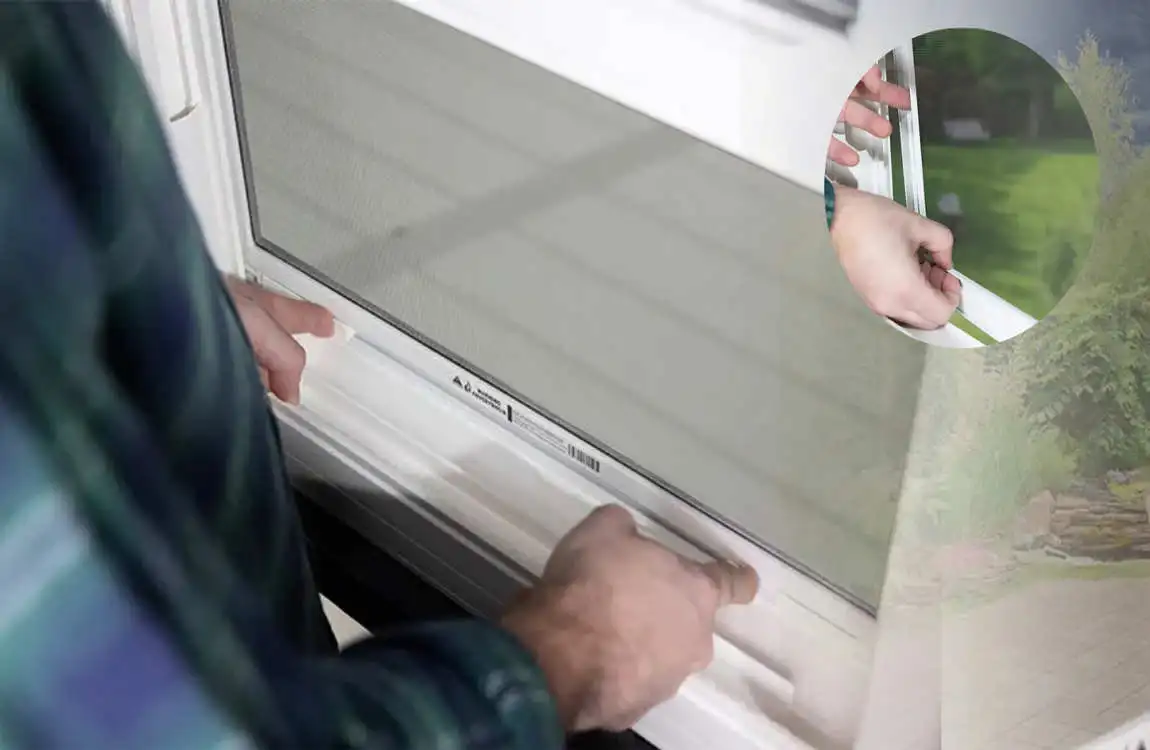
Not every window comes out easily. Dirt, paint, age, and damaged hardware can make removal more difficult.
What to Do if the Screen Is Stuck
A stuck screen may have paint buildup around its edges.
Check carefully for hidden clips or fasteners. You can use a putty knife carefully around the frame to loosen buildup, but avoid damaging the screen or window frame.
Do not pry aggressively. A bent screen frame may not fit correctly when you reinstall it.
What to Do if the Window Will Not Move
If the window does not move, inspect the tracks and corners.
Dirt and debris can prevent a sliding sash from moving properly. Paint may also seal parts of an older window in place.
Check for screws or retaining clips before applying additional pressure.
If the window remains stuck, it is safer to stop than to risk breaking glass or damaging the frame.
Reinstalling the Screen and Window
Reinstallation is basically the removal process in reverse.
Place the sash back into its original position and make sure it sits correctly in the track or pivot points.
Secure the required clips, latches, or screws.
Then reinstall the screen carefully. Make sure all edges sit evenly in their tracks.
Finally, open, close, and lock the window several times.
Check that the screen stays firmly in place and that the window moves smoothly.
Helpful Tips for an Easier Removal
A little preparation can make the entire job easier.
Before removing the window, consider these simple steps:
- Take photos of the window and hardware before starting.
- Label screws and clips so you know where they belong.
- Clean the tracks while the window is removed.
- Protect the glass with towels or padding.
- Ask for help when handling large or heavy window units.
If you remove a window for painting or cleaning, avoid leaving the opening exposed for long, especially in bad weather.
FAQ About Removing Framed Windows With Screens
Can I remove a window screen without removing the window?
Yes. Many screens are designed to be removed separately. Look for tabs, clips, springs, or handles around the screen frame.
How do you remove a framed window screen?
First, identify the retaining clips or tabs. Release them, compress any spring-loaded edge if necessary, and gently pull the screen from its track.
How do you remove a stuck window screen?
Check for hidden fasteners and paint buildup. Carefully loosen the edges and avoid excessive force, as the lightweight screen frame can bend.
Do all framed windows have removable screens?
No. Some screens are permanently installed or secured with fasteners. The design depends on the window manufacturer and installation method.
What tools do I need to remove a window with a screen?
Basic jobs may only require a screwdriver, gloves, a soft cloth, and a putty knife. Some windows require additional tools depending on their hardware.
Can I remove a framed window by myself?
Small, lightweight sashes may be manageable by one person. However, large or heavy windows should generally be handled by two people to reduce the risk of dropping or damaging them.
How do I reinstall the screen after removing it?
Place one edge into its track, compress the spring side if applicable, and carefully position the opposite edge. Reattach the clips or tabs and check that the screen sits evenly.
| Step | What to Do | Quick Tip |
|---|---|---|
| Open the Window | Move the window sash to access the screen. | Work carefully to avoid damaging the frame. |
| Find Screen Clips | Look for tabs, springs, or clips holding the screen. | Check all four sides. |
| Release the Clips | Press or move the clips inward to loosen the screen. | Do not force stuck clips. |
| Pull the Screen In | Gently tilt one side of the screen toward you. | Support the frame with both hands. |
| Remove the Screen | Lift the screen out of the window opening. | Keep the screen flat to prevent bending. |
