

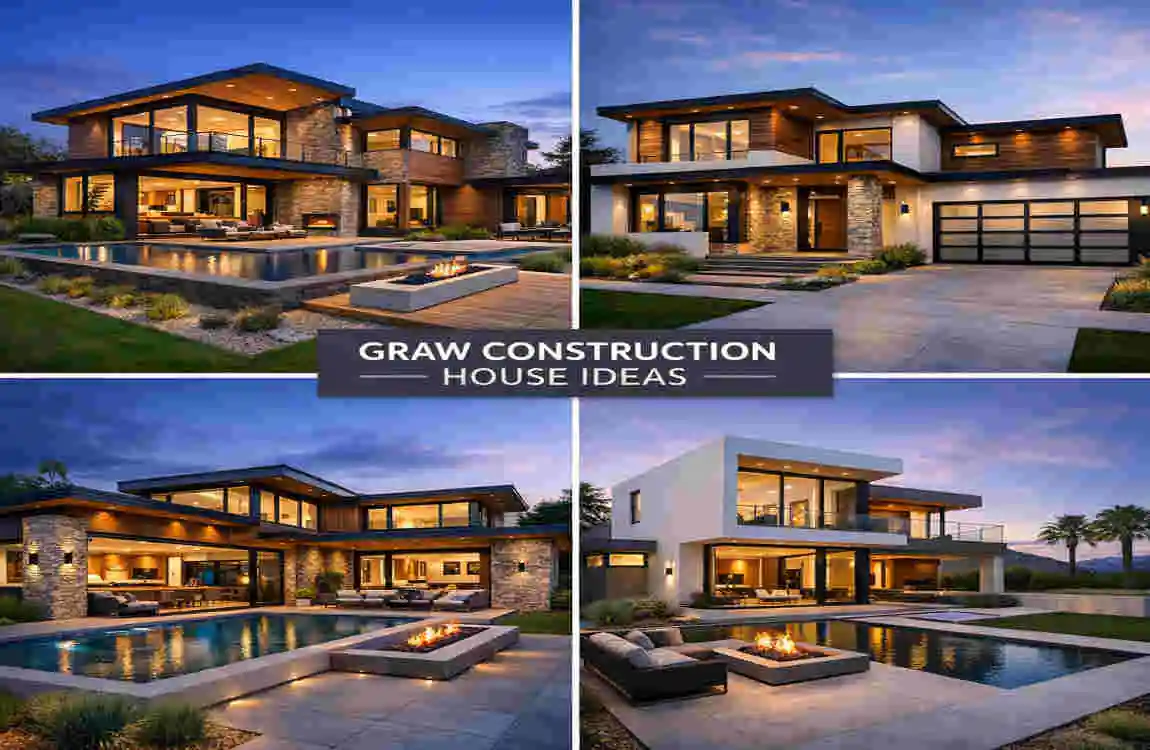
A graw construction house is a practical way to approach a modern home, focusing on strong materials, smart planning, and clean design. It balances beauty with everyday function.
If you are planning a new home, this style can be a helpful starting point. It gives you room to think about layout, cost, comfort, durability, and long-term use. That is important because a good house should not only look nice. It should also be easy to live in and simple to maintain.
Understanding What a Graw Construction House Means
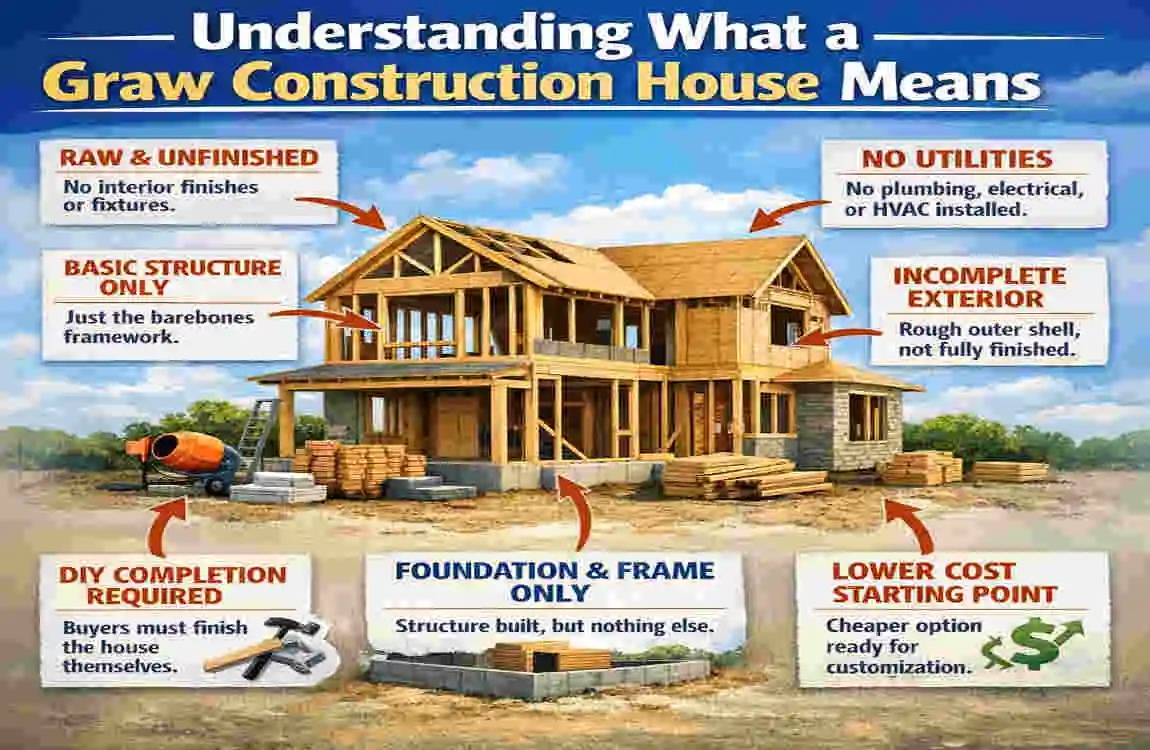
A simple definition
The term graw construction house describes a modern house-building approach that balances structure, design, and practicality. It is not just about building walls and a roof. It is about planning a home that feels useful, current, and durable.
This type of home often uses clean lines, open layouts, and materials that can withstand daily use. It is designed to fit modern living instead of forcing the family to adapt to an awkward layout.
Key characteristics
A graw construction house usually has a few common traits:
- Simple and modern appearance
- Strong structural materials
- Open and useful room layouts
- Natural light and airflow
- Practical interior finishes
- Good long-term durability
These features help the home feel balanced. It is modern, but not overly fancy. It is comfortable, but not wasteful.
Why homeowners may consider this style
Many homeowners like this approach because it gives them more control over the final result. You can shape the home around your needs instead of trying to fit into an old or inefficient layout.
A well-planned ground-up home also makes it easier to consider future maintenance, energy use, and resale value. That makes it attractive to families and investors alike.
Planning matters from the start
The home’s final look and durability depend heavily on early planning. If you choose the wrong materials or skip important design steps, the house may cost more later.
That is why good construction starts with a clear plan. A smart plan helps you control cost, reduce mistakes, and build a house that lasts.
Modern Graw Construction House Design Ideas
Simple and contemporary exterior design
Modern homes often look best when the outside feels clean and uncluttered. Straight lines, balanced shapes, and simple finishes can make a house look current without feeling cold.
A modern construction house may use neutral tones, smooth surfaces, and carefully placed details. The goal is to make the structure look neat and strong.
Open-plan living
Open layouts are very popular in modern home building. They make the home feel larger and more connected.
Instead of separating every room with thick walls, you can connect the living room, dining area, and kitchen in one easy flow. That works well for families, guests, and everyday movement.
Large windows and natural light
Big windows are one of the easiest ways to make a home feel modern. They let in light, reduce the need for artificial lighting during the day, and help the house feel more open.
Natural light also improves a room’s mood. It makes the space feel warmer and more inviting.
Roof styles that fit modern homes
A new construction house can use different roof styles depending on the look you want. Some common choices include:
- Flat roofs for a clean, modern feel
- Gable roofs for a simple classic shape
- Mixed roof styles for more visual interest
The roof should support both the design and the area’s weather needs.
Indoor-outdoor living
Modern home design often tries to connect the inside of the house with the outside. You can do this with sliding doors, patios, covered seating areas, or large openings to the yard.
That kind of connection makes the home feel bigger and more flexible. It also supports a relaxed lifestyle.
Small and large home ideas
A graw construction house can work for both small and large homes. A smaller home may focus on smart space use, while a larger home may include more open zones and outdoor areas.
The main point is the same in both cases: make the home work well for real life.
Choosing Materials for a Graw Construction House
Common structural materials
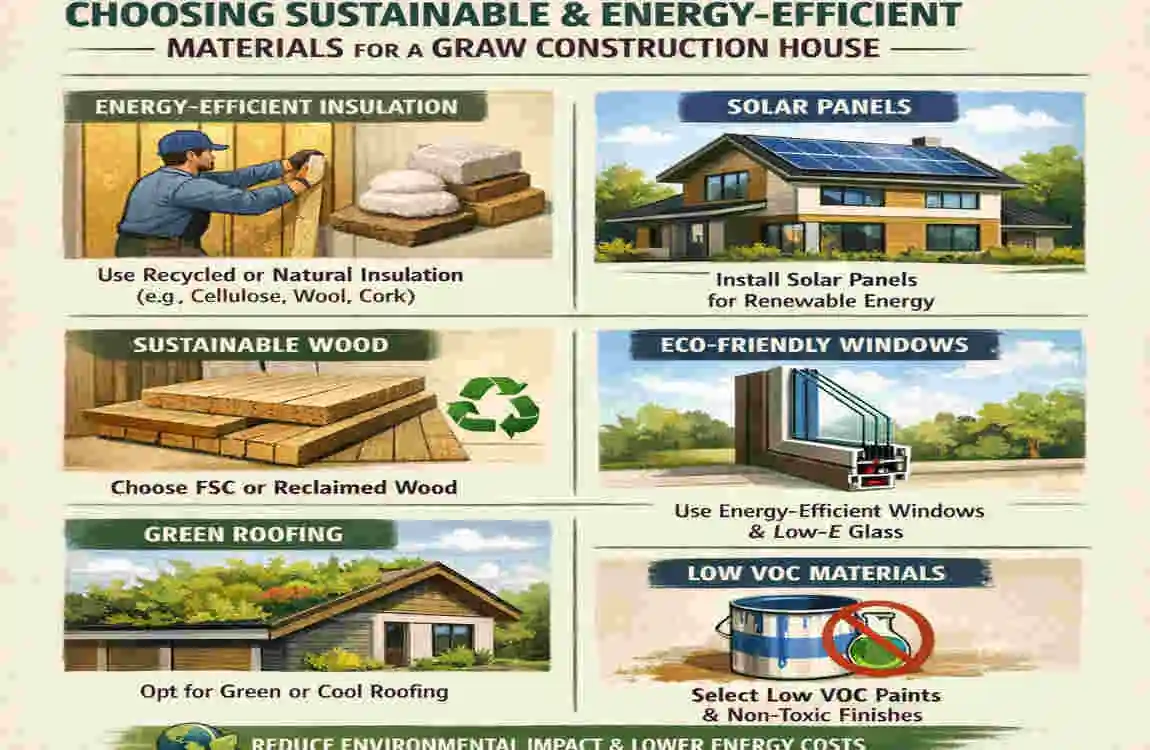
The materials you choose affect strength, cost, maintenance, and appearance. The main structural options often include concrete, brick, block, and steel.
Each one has its own strengths. Concrete and block can be very durable. Brick can create a classic and solid appearance. Steel can work well in certain modern designs.
Flooring choices
Flooring is a big part of the home’s final feel. Some popular options include tile, vinyl, engineered wood, polished concrete, and laminate.
Choose flooring based on how you’ll use each room. For example, kitchens and bathrooms usually need moisture-resistant flooring, while bedrooms can use warmer, softer options.
Exterior wall finishes
Wall finishes can quickly change the look of the house. Paint, cladding, stone, textured coatings, and other finishes can all affect style.
A clean, durable finish helps the house look good longer and reduces the need for constant repairs.
Roofing and weather protection
The roof should do more than look nice. It should protect the home from heat, rain, wind, and other weather conditions.
That is why roofing material matters. A strong roof can reduce future repair costs and improve comfort inside the house.
Doors and windows
Doors and windows should match the style of the house while also working well day to day. Strong frames, quality glass, and good sealing can improve safety and energy use.
These parts of the home are small details, but they make a big difference.
Interior Planning and Decoration Ideas
Living room layout
A modern living room should feel open, calm, and easy to use. Furniture should not block movement, and the main seating should support conversation and comfort.
For a modern look, keep furniture shapes simple and avoid overcrowding the room.
Kitchen design
A kitchen in a graw construction house should be both practical and attractive. It should have enough counter space, good storage, and easy access to cooking areas.
This is also a good place to think about workflow. Arrange the stove, sink, and refrigerator to make daily tasks easier.
Bedroom planning
Bedrooms should feel restful. That means simple furniture, useful storage, and soft colors often work best.
If space is limited, built-in wardrobes or under-bed storage can help the room feel more organized.
Bathroom design
Bathrooms should be easy to clean, comfortable, and moisture-resistant. Good lighting, durable surfaces, and smart storage are all important here.
A simple bathroom design often works better than one that is too crowded or too decorative.
Lighting and ceiling ideas
Lighting can quickly change a room’s mood. Modern homes often use a mix of natural light, ceiling lights, task lights, and accent lights.
Ceiling design also matters. Smooth ceilings, recessed lights, or simple feature details can help the room feel polished.
Built-in storage
Storage should be part of the design, not an afterthought. Built-in shelves, cabinets, and hidden storage areas can help keep the house neat.
This is especially useful in modern homes where people want a cleaner, less cluttered look.
Smart-home features
A modern graw construction house can also include smart features like lighting control, security systems, temperature control, and energy monitoring.
These features can make the home more convenient and may also help reduce energy waste.
Cost, Planning, and Construction Considerations
Main cost areas
Building a house usually involves several large cost categories:
- Land
- Design and plans
- Labor
- Construction materials
- Plumbing and electrical work
- Roofing
- Finishing and decoration
These costs can vary a lot depending on location and size.
Why planning matters for budget control
A clear budget helps you avoid surprises. It also helps you decide where to spend more and where to save.
If you change the design too many times during construction, the cost can rise quickly. That is why planning early matters so much.
Construction stages
Most home construction follows a rough order:
- Site preparation
- Foundation work
- Structural framing
- Roofing and exterior walls
- Plumbing and electrical systems
- Interior finishes
- Final inspection and cleanup
Each stage needs attention because mistakes in one stage can affect the rest of the project.
Controlling unnecessary expense
You can keep costs under control by choosing standard materials, avoiding late design changes, and working with reliable professionals.
It also helps to separate “must-have” features from “nice-to-have” features. That keeps the project focused.
Sustainable and Energy-Efficient Graw Construction House Ideas
Natural light and ventilation
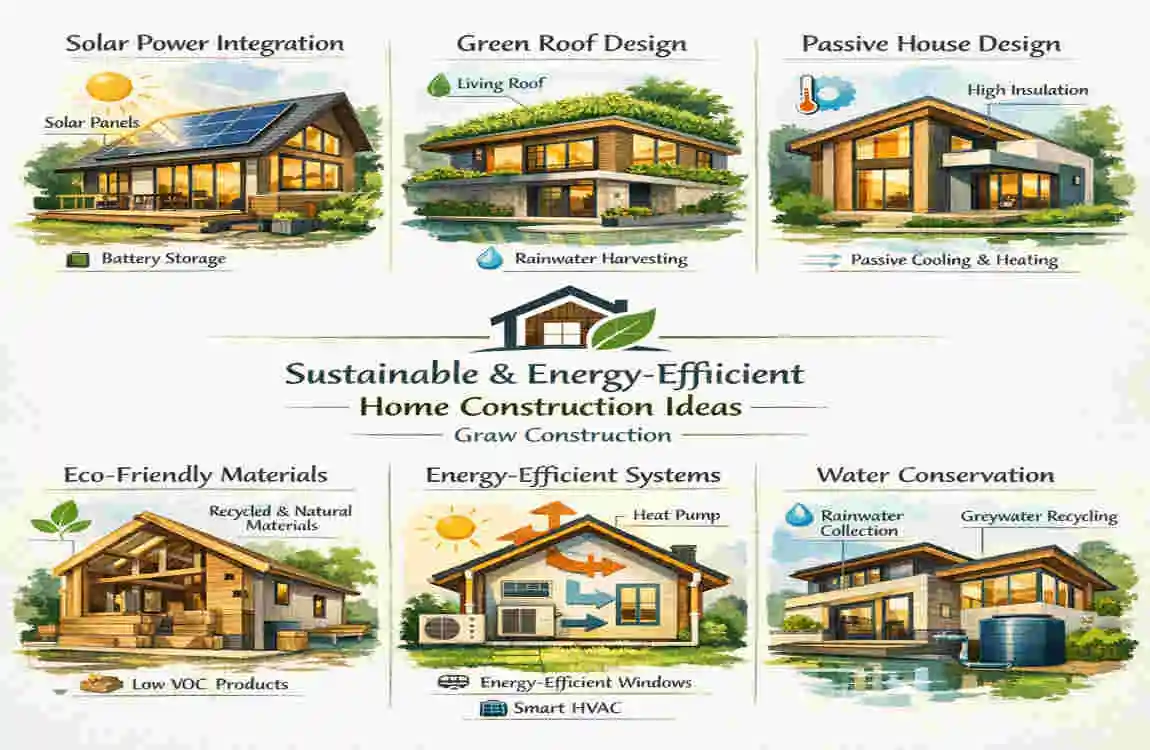
One of the easiest ways to improve a home is to use more daylight and better airflow. Good window placement can reduce the need for lights and cooling during the day.
This makes the house more comfortable and may also lower energy use.
Energy-efficient doors and windows
Doors and windows should seal properly. If they leak air, the home may lose cool or warm air too quickly.
Energy-efficient models can improve comfort and reduce long-term utility bills.
Insulation
Insulation is one of the most important parts of an energy-conscious home. It helps keep indoor temperatures stable.
A well-insulated graw construction house can be more comfortable in hot and cold weather.
Solar and water-saving options
If the budget allows, solar energy can be a helpful long-term investment. Water-saving plumbing fixtures are also smart because they reduce waste.
These choices make the home more responsible and more efficient.
Sustainable materials
Locally available materials can reduce transport costs and sometimes lower environmental impact. Durable materials also help because they last longer and need fewer repairs.
That means less waste over time.
Maintenance-friendly design
Energy-efficient homes are often easier to maintain too. Simple layouts, strong materials, and smart planning can reduce future problems.
That makes the house easier to live in and easier to manage.
FAQ About Graw Construction Houses
What is a graw construction house?
A graw construction house is a modern-style home built with practical planning, durable materials, and a clean design approach.
How much does it cost to build a graw construction house?
The cost depends on land, materials, labor, size, and finish level. There is no single fixed price.
What materials are commonly used?
Common materials include concrete, brick, block, steel, insulation, modern flooring, and energy-efficient windows.
Can a graw construction house have a modern design?
Yes. In fact, modern design is one of the best ways to approach this type of home.
How long does house construction usually take?
The timeline depends on the house size, weather, materials, and the contractor’s schedule.
What are the most important features of a modern construction house?
Good layout, strong materials, natural light, useful storage, and comfortable interior flow are some of the most important features.
How can construction costs be reduced?
You can reduce costs by using standard designs, planning early, comparing materials, and avoiding major changes during construction.
Is energy-efficient construction worth considering?
Yes. It can improve comfort, reduce bills, and make the home easier to maintain over time.
What should homeowners plan before construction begins?
They should plan the budget, layout, materials, timeline, utility systems, and design goals before building starts.
How can homeowners make their house durable and easy to maintain?
Choose strong materials, keep the design simple, and plan for maintenance from the start.
| House Idea | Key Feature | Modern Benefit |
|---|---|---|
| Open-Plan Layout | Connected living spaces | Creates a spacious feel |
| Large Glass Windows | Plenty of natural light | Makes rooms brighter |
| Flat Roof Design | Clean, simple lines | Gives a modern appearance |
| Minimalist Exterior | Simple colors and shapes | Looks neat and stylish |
| Smart Home Features | Automated lights and security | Adds convenience |
| Energy-Efficient Design | Insulation and efficient windows | Helps reduce energy use |
| Natural Materials | Wood, stone, and concrete | Adds warmth and texture |
