

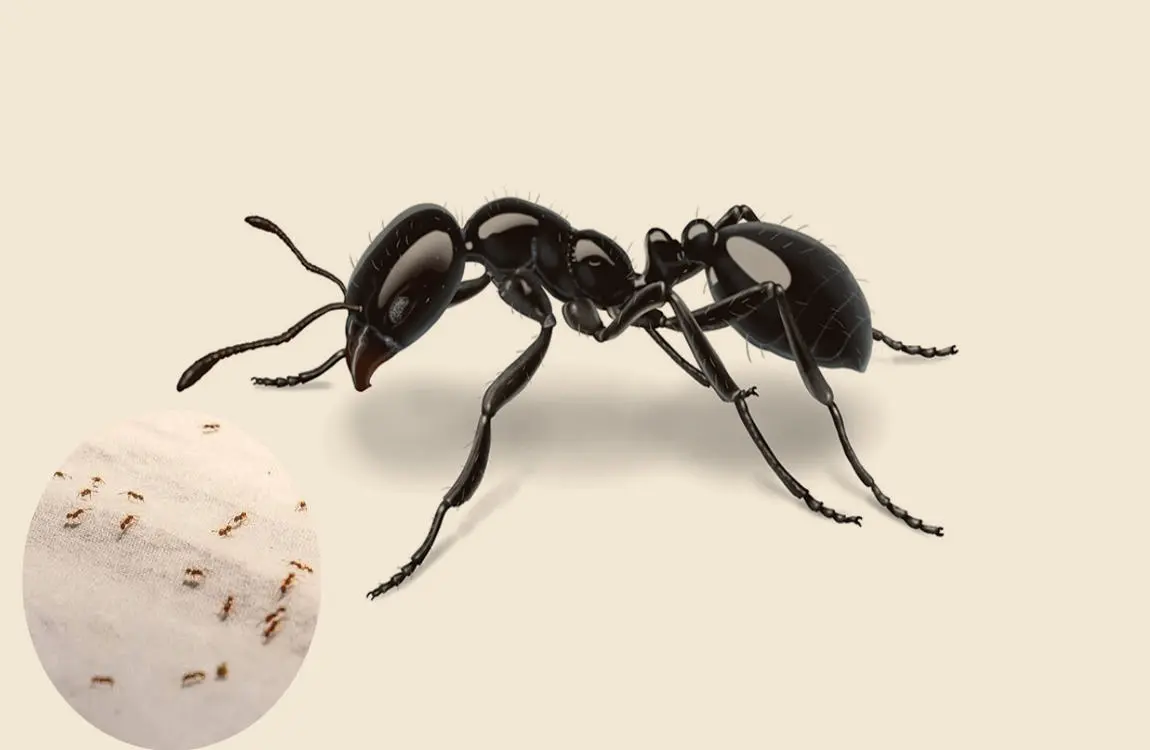
Tiny ants can appear almost overnight, especially around kitchens, bathrooms, windows, and doors. Although these ants are small, seeing a steady trail of them inside your home can quickly become frustrating.
If you are wondering how to get rid of tiny ants inside your house, the best approach is to do more than kill the ants you can see. You need to remove their food and water sources, clean their trails, block entry points, and use an appropriate ant bait when necessary.
Why Are Tiny Ants Coming Inside Your House?
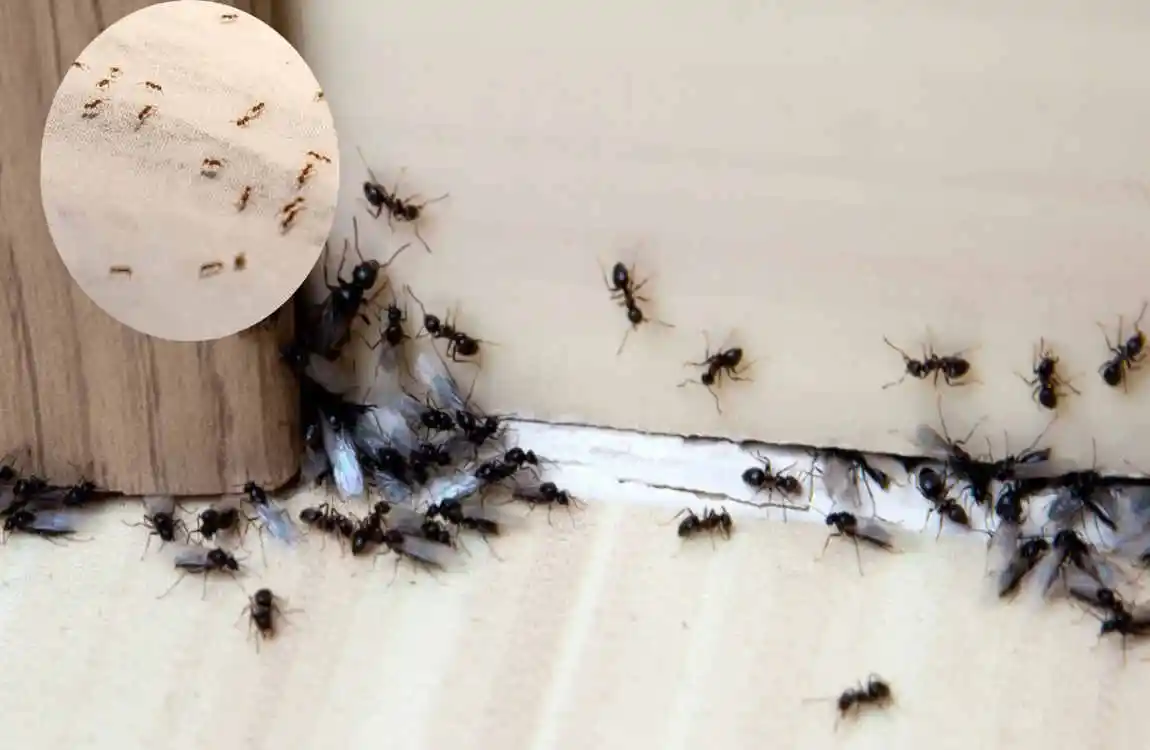
Food and Sugar Attract Ants
Food is one of the most common reasons ants enter a house. Sugar, crumbs, sweets, grease, spilled drinks, and pet food can attract tiny ants even when the amount seems insignificant.
The kitchen is particularly vulnerable because food particles can collect under appliances, inside cabinets, around sinks, and along countertops.
Clean home spills quickly and keep food in sealed containers. Regularly sweep or vacuum floors to remove crumbs that ants may find.
Moisture Can Attract Tiny Ants
Tiny ants may also be attracted to water and damp areas. Leaky faucets and pipes, wet countertops, condensation, and standing water can create attractive conditions.
Check underneath sinks, around toilets, near appliances, and along plumbing connections. Repair leaks and keep damp areas as dry as possible.
Ants May Enter Through Small Cracks
Ants can enter through surprisingly small openings. Common entry points include window frames, doors, baseboards, wall gaps, plumbing openings, and foundation cracks.
Once you find where ants are entering, sealing the opening with an appropriate caulk or sealant can help prevent more ants from getting inside.
How to Get Rid of Tiny Ants Inside House Fast
Find Where the Ants Are Coming From
Instead of immediately spraying every visible ant, take a moment to follow the trail. Ants often travel along established paths between their food source and the colony.
Follow the trail toward windows, doors, walls, cabinets, or plumbing areas. Finding the source gives you a better chance of solving the problem.
Remove Food Sources
A clean home makes your house less attractive to foraging ants. Wipe countertops, clean floors, wash dishes, and regularly remove food waste.
Store sugar, cereal, snacks, and other foods in tightly sealed containers. Do not leave pet food sitting out for long periods.
Clean Ant Trails
Ants can leave scent trails that help other ants follow the same route. Cleaning the area can help disrupt these trails.
Use ordinary household cleaner or soapy water to wipe countertops, floors, walls, and other surfaces where ants are traveling.
Seal Cracks and Entry Points
After cleaning, inspect the areas where ants are entering. Look around doors, windows, baseboards, pipes, and wall openings.
Sealing these gaps can provide an important long-term solution by removing the pathway ants use to enter your home.
Natural Ways to Remove Tiny Ants From Your Home
Vinegar and Water Solution
A diluted vinegar-and-water solution can be useful for cleaning ant trails and removing food odors from suitable surfaces. It should not be considered a guaranteed method for eliminating an established colony.
Always test cleaning solutions on a small, appropriate area first, particularly on delicate surfaces.
Soapy Water
Soapy water is another simple option for cleaning areas where ants are active. It can remove ants from surfaces while also helping clean away their scent trails.
However, this method generally provides short-term control rather than eliminating the colony.
Keep the Area Dry and Clean
One of the easiest natural prevention methods is simply maintaining a clean, dry home.
Pay particular attention to kitchens and bathrooms. Wipe up spills, repair leaks, clean crumbs, and avoid leaving standing water around sinks or appliances.
Using Ant Baits to Control an Infestation
How Ant Baits Work
Ant bait can be more useful than simply killing individual ants. Worker ants may carry suitable bait back to the colony, where it can affect other ants.
Because different ant species behave differently, choose a product intended for indoor ant control and follow the label directions carefully.
Where to Place Ant Baits
Place bait near active ant trails or areas where ants are regularly appearing, according to the product label.
Keep bait away from children and pets, and never place it where it could accidentally contaminate food-preparation surfaces.
Why You Should Not Disturb Ant Trails Around Bait
When ants are actively taking bait, avoid unnecessarily spraying or killing them around the bait station. The goal is to allow worker ants to carry the bait back to the colony.
Also, avoid combining different pest-control products unless the labels specifically allow it.
How to Prevent Tiny Ants From Coming Back
Once the ants are gone, prevention is important. Small changes around your home can make it much harder for ants to return.
Simple Ant Prevention Checklist
- Clean food crumbs quickly
- Store food securely
- Repair plumbing leaks
- Keep counters and floors clean
- Seal cracks and gaps
- Empty trash regularly
- Keep outdoor vegetation away from the house
- Inspect areas where ants repeatedly appear
Regular cleaning is especially important in kitchens because even tiny food particles can attract ants.
When Should You Call a Pest Control Professional?
Ants Keep Returning
If ants continue appearing after cleaning, sealing gaps, and using appropriate control methods, there may be a colony nearby.
Repeated activity is a good reason to consider a professional inspection.
You See Large Numbers of Ants
A few ants can sometimes be dealt with through cleaning and prevention. Large numbers or widespread trails may indicate a more established infestation.
You Cannot Find the Entry Point.
Ants may enter through hidden wall gaps, plumbing openings, or other areas that are difficult to inspect. A professional can help identify potential access points.
You Are Unsure Which Ant Species You Have
Not all ants respond to the same control methods. If you cannot identify the type of ant or your treatment is not working, professional advice can help you choose a more suitable approach.
Tiny Ants in Different Areas of the House
Tiny Ants in the Kitchen
The kitchen is one of the most common places to find ants because it provides easy access to food, sugar, grease, and water.
Clean countertops, sweep floors, wash dishes, clean around appliances, and store food in sealed containers. Check under the sink for leaks as well.
Tiny Ants in the Bathroom
Bathroom ants may be associated with moisture and plumbing problems. Inspect faucets, pipes, drains, cabinets, and areas around toilets.
Keep surfaces dry and repair leaks as soon as possible.
Tiny Ants in the Bedroom
If you notice ants in a bedroom, check for food, drinks, moisture, windows, and wall openings. Ants may also be entering through gaps around windows or baseboards.
Clean home the area thoroughly and follow the trail to identify the likely entry point.
Tiny Ants Near Windows and Doors
Ants near windows and doors may be coming from outside. Check weather stripping, cracks, frames, and nearby outdoor ant trails.
Sealing gaps can help reduce future entry.
Common Mistakes to Avoid When Removing Tiny Ants
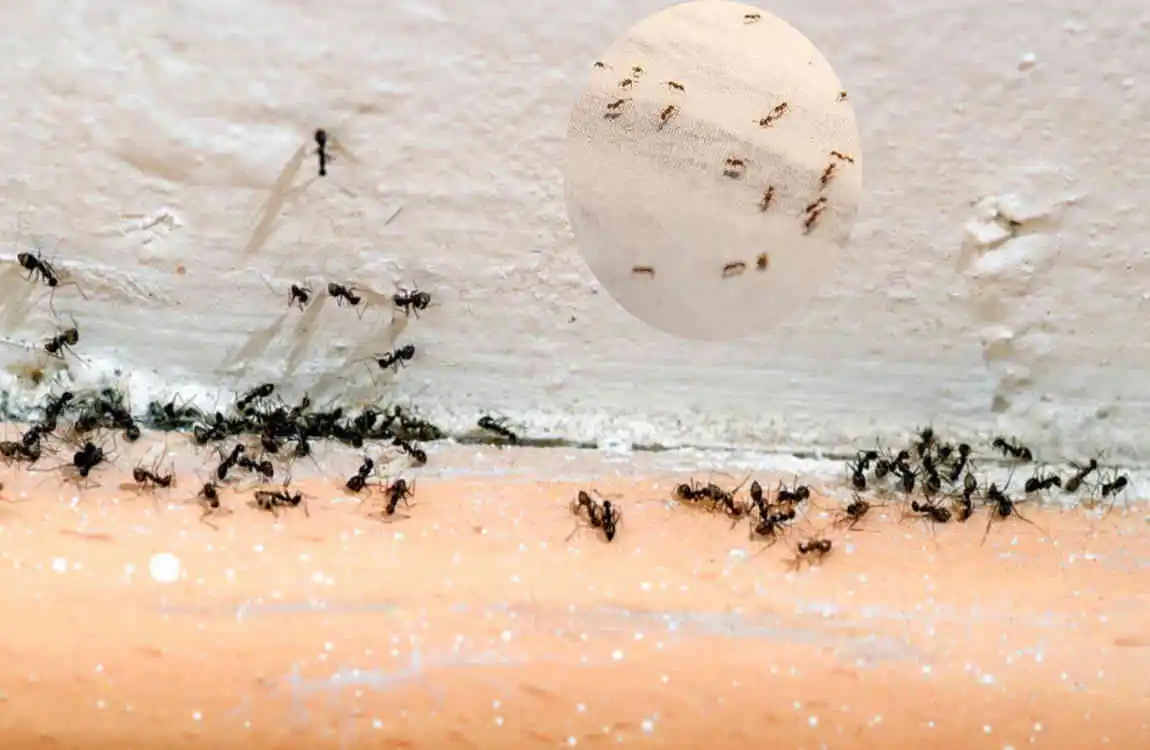
Many homeowners focus only on the ants they can see. Unfortunately, this may not address the actual problem.
Avoid these common mistakes:
- Killing visible ants without looking for the source
- Leaving food and drinks uncovered
- Ignoring leaks and damp areas
- Using more pesticide than the label recommends
- Mixing different chemical products
- Failing to seal entry points
- Giving up on bait too quickly
The goal is not simply to remove visible ants. The goal is to make your home less attractive and prevent continued access.
Frequently Asked Questions About Tiny Ants
What Is the Fastest Way to Get Rid of Tiny Ants Inside a House?
The fastest practical approach is to remove food and moisture, clean ant trails, identify entry points, and use an appropriate ant-control product according to its label.
If ants continue returning, look for the colony or consider professional assistance.
Why Do I Suddenly Have Tiny Ants in My House?
Sudden ant activity can result from accessible food, moisture, changing weather, or a new opening around windows, doors, walls, or plumbing.
Even a small change in conditions can make your home attractive to foraging ants.
How Do I Get Rid of Tiny Ants in My Kitchen?
Start by cleaning counters and floors, removing crumbs, properly storing food, emptying trash, and checking for leaks.
Then follow ant trails to identify entry points and consider an appropriate ant bait if the activity continues.
Will Vinegar Get Rid of Tiny Ants?
Vinegar can help clean and disrupt ant scent trails, but it is not a guaranteed solution for eliminating an established colony.
Use it mainly as part of a broader cleaning and prevention strategy.
How Can I Stop Tiny Ants From Coming Back?
Focus on four main areas: cleanliness, moisture control, sealing entry points, and appropriate ant control.
Regularly inspect areas where ants previously appeared, as recurring activity can indicate an unresolved entry point or colony.
Should I Kill the Ants I See?
Removing visible ants can provide immediate relief, but killing individual ants does not necessarily solve the underlying problem.
| Method | How It Helps | Quick Tip |
|---|---|---|
| Clean Food Spills | Removes food sources that attract ants. | Wipe counters and floors regularly. |
| Use Vinegar Solution | Disrupts ant scent trails. | Mix equal parts vinegar and water and wipe affected areas. |
| Set Ant Baits | Allows worker ants to carry bait back to the colony. | Place baits near active ant trails. |
| Seal Entry Points | Prevents ants from entering your home. | Seal cracks around windows, doors, and pipes. |
| Remove Moisture | Reduces attractive damp areas. | Fix leaks and keep sinks and surfaces dry. |
| Store Food Properly | Keeps ants away from easy food sources. | Use airtight containers for sugar, snacks, and pet food. |
