

Finding tiny black bugs around your home can be annoying and stressful. You may notice them in the kitchen, bathroom, bedroom, carpet, pantry, or near windows. Sometimes they appear because of food, moisture, plants, or hidden entry points.
The most important step is to identify the bug first. That matters because different pests need different treatment. If you want to learn how to get rid of small black bugs in the house, start by figuring out what kind of insect you are dealing with and where it is coming from.
What Are Small Black Bugs in the House?
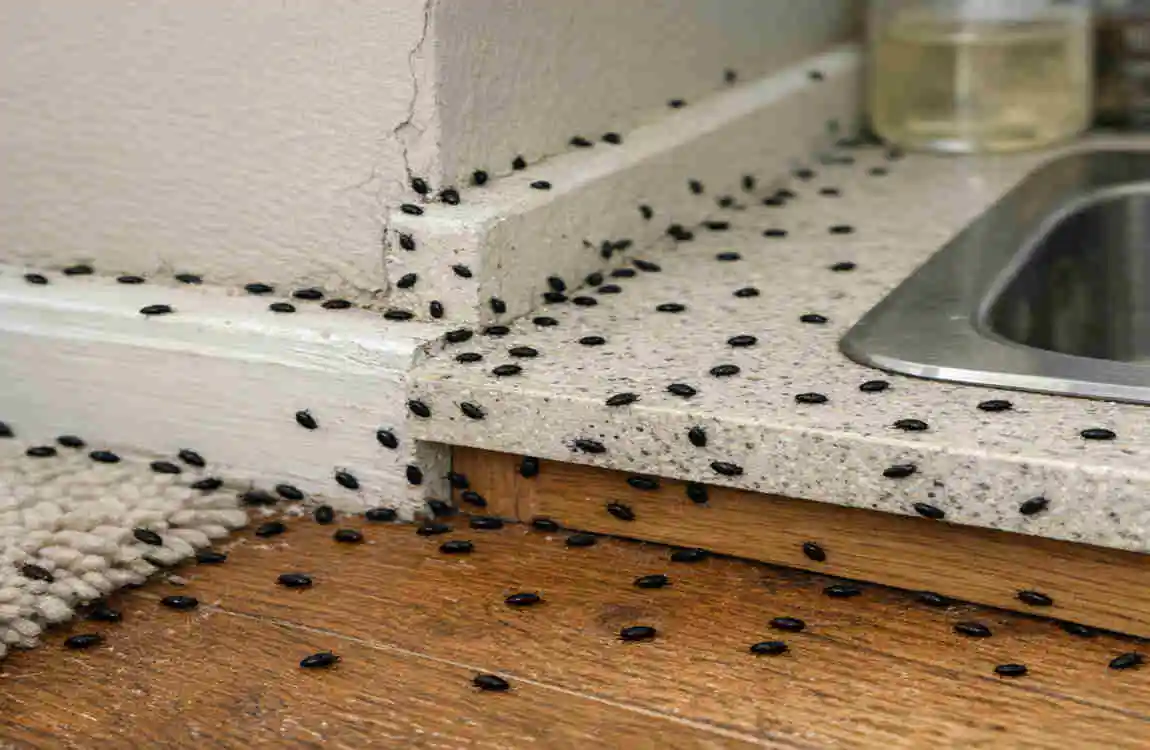
“Small black bugs” is a general description, not one specific insect. Many tiny pests can look dark or black, especially when they are small and moving quickly.
Where They Commonly Appear
You may see these bugs in:
- Clean Kitchens
- Bathrooms
- Bedrooms
- Carpets and rugs
- Pantries
- Windowsills
- Houseplants
- Basements and damp corners
Why Correct Identification Matters
The bug’s size, shape, movement, and location can help you narrow it down. For example, flying bugs near plants often point to fungus gnats, while bugs in flour or rice often suggest pantry pests.
If you treat the wrong pest, the problem may continue. That is why identification is the first step in getting rid of small black bugs in the house.
Why Do Small Black Bugs Enter Your House?
Food and Pantry Sources
Food is one of the biggest reasons bugs enter homes. Crumbs, spills, pet food, and open pantry items can attract pests fast.
Grains, flour, cereal, rice, and dry pet food are especially tempting for pantry insects. Even a tiny spill can become a food source.
Moisture and Humidity
Many bugs love damp spaces. Bathrooms, sinks, laundry areas, basements, and kitchens often attract insects because of moisture.
If you have a leak, poor ventilation, or a wet corner that never dries, bugs may keep coming back.
Houseplants and Soil
Some bugs, especially fungus gnats, come from indoor plants. They often live in moist potting soil and become more active when the soil stays wet too long.
Dead leaves, overwatering, and poor drainage can make houseplants a bug magnet.
Cracks, Windows, and Entry Points
Tiny openings around doors, windows, vents, and pipes can let bugs inside. Even small gaps can be enough.
Once inside, bugs look for food, shelter, or moisture. That is why sealing entry points matters so much.
How to Get Rid of Small Black Bugs in House
This is the main part of the process. The best answer to how to get rid of small black bugs in the house is not just killing the bugs you see. You also need to remove the source.
Identify the Pest Before Treating It
Look closely at where the bugs appear. Ask yourself:
- Are they near food?
- Are they around plants?
- Are they flying?
- Do they jump?
- Do they crawl quickly?
- Are they in damp places?
These clues help you choose the right approach.
Clean and Vacuum Thoroughly
Vacuuming can remove bugs, eggs, larvae, dust, and crumbs. Focus on:
- Carpets
- Rugs
- Baseboards
- Furniture edges
- Closets
- Cracks and corners
After vacuuming, empty the vacuum right away so bugs do not stay inside.
Remove Food and Organic Debris
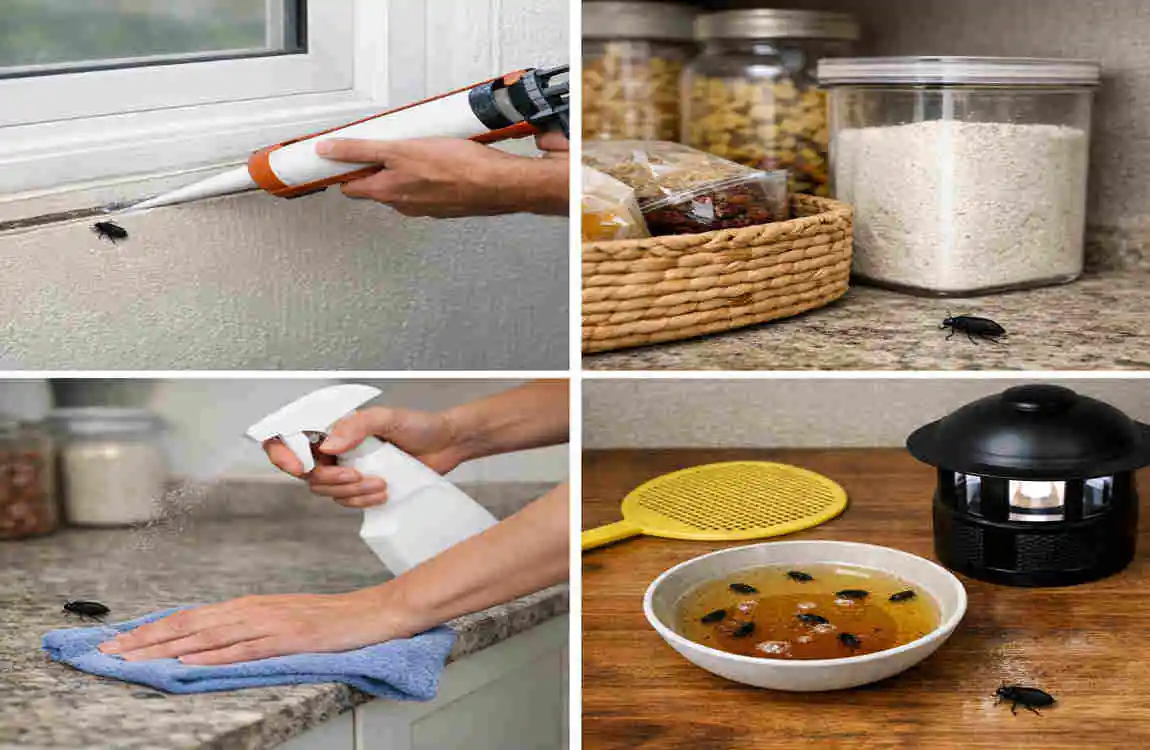
Keep counters clean home and wipe up spills fast. Store food in sealed containers and do not leave pet food out for long periods.
Also remove garbage regularly. Food debris is one of the most common reasons bugs stay in the house.
Fix Moisture Problems
If you want real results, reduce moisture. Check for leaks under sinks, around toilets, and near appliances.
Use fans, open windows when possible, and keep damp areas dry. Bugs often return if the moisture stays.
Treat Drains and Damp Areas
Some bugs, like drain flies, may come from organic buildup inside drains. Clean the drain area carefully and keep it from becoming slimy or clogged.
Bathrooms and kitchens need special attention because moisture and buildup often go hand in hand.
Check Indoor Plants
If bugs are near houseplants, inspect the soil and leaves. Let the soil dry a bit between waterings, remove dead leaves, and separate affected plants if needed.
Overwatering is a very common cause of tiny indoor insect problems.
Seal Cracks and Entry Points
Use caulk, door sweeps, weather stripping, and window screens to block access. This step helps keep new bugs from entering while you deal with the current ones.
Use Traps When Appropriate
Sticky traps can help monitor some insects. They are especially useful when you want to see where bugs are active.
Still, traps work best when matched to the pest. They are helpful, but they are not always enough on their own.
When to Consider Pest Control
If you keep seeing bugs after cleaning, sealing, and drying the area, professional help may be the next step.
A pest-control expert can identify the insect and recommend the right treatment. That is especially useful when you are not sure what the bug is.
How to Prevent Small Black Bugs From Coming Back
Keep the Kitchen Clean
A clean kitchen is one of the best defenses. Wipe counters, sweep floors, and clean under appliances when you can.
Keep pantry shelves neat and avoid leaving food out overnight.
Control Indoor Moisture
Dry spaces are less attractive to many pests. Fix leaks, use bathroom fans, and keep sinks and tubs from standing water for too long.
If your home is humid, reducing moisture can make a big difference.
Store Food Properly
Use airtight containers for flour, cereal, rice, spices, and pet food. This keeps bugs out and helps you spot problems early.
Check pantry items regularly so you can throw out anything contaminated.
Maintain Houseplants
Water plants correctly and do not let soil stay wet for long periods. Remove dead leaves and watch for tiny flies around the pots.
Healthy plant care also means fewer indoor pests.
Clean Carpets and Upholstery
Vacuum rugs, carpets, and upholstered furniture often. These areas can hold crumbs, lint, hair, and other debris that attract insects.
If you have pets, regular cleaning becomes even more important.
Inspect Items Before Bringing Them Indoors
Secondhand furniture, boxes, plants, firewood, and groceries can sometimes bring bugs inside.
A quick check before bringing items in can help prevent new infestations.
Seal Common Entry Points
Keep screens in good condition and seal cracks around windows, doors, and foundation gaps. Small repairs can stop a big pest problem later.
When Small Black Bugs May Indicate a Bigger Problem
Seeing Bugs Repeatedly
If bugs keep showing up in the same spot, there may be a nest, breeding area, or food source nearby.
One bug may be a random visitor. Many bugs usually mean a larger issue.
Finding Bugs in Multiple Rooms
When bugs appear in different rooms, the problem may be spread out. This can suggest more than one entry point or more than one source.
Discovering Larvae, Eggs, or Damage
Watch for signs like:
- Tiny eggs
- Shed skins
- Larvae
- Damaged fabrics
- Holes in food packaging
- Plant damage
These clues often mean the infestation is active.
Unusual Odors or Moisture
A musty smell or damp area can support pests. If the moisture problem stays, the bugs may stay too.
When Professional Help Is Recommended
If cleaning and prevention do not solve the problem, or if you cannot identify the bug, a pest-control professional can help.
That is often the safest way to handle a recurring infestation.
Safe Home Remedies and Pest-Control Tips

Start With Non-Chemical Methods
Before using sprays, start with simple actions:
- Clean thoroughly
- Vacuum often
- Dry wet areas
- Remove food sources
- Seal openings
These steps solve many small pest issues without chemicals.
Use Household Pest Products Carefully
If you use insecticides, always follow the label. Use the product only for the pest and location it is meant for.
Do not use stronger products just because the bug looks annoying. That can create safety problems.
Protect Children and Pets
Keep traps and chemicals away from children and animals. Read instructions carefully and store products safely.
Avoid Mixing Chemicals
Never mix cleaning products or pest-control chemicals. Dangerous fumes or reactions can happen.
Know When DIY Is Not Enough
If the bugs keep coming back, or if the infestation seems large, stop guessing. Professional treatment may save time and money in the long run.
FAQ About Small Black Bugs at Home
How do I get rid of small black bugs in the house?
Start by identifying the insect, then clean thoroughly, remove food and moisture sources, vacuum affected areas, seal entry points, and use a targeted treatment if needed.
Why am I suddenly seeing tiny black bugs in my house?
Sudden bugs can appear because of food, moisture, plants, seasonal changes, or new entry points.
What are the tiny black bugs around my windows?
They may be attracted to light, warmth, or access points. Common examples include small flies, ants, or beetles.
Are small black bugs in the house harmful?
Some are just nuisance pests, but others can damage food, fabrics, plants, or even bite. It depends on the species.
How can I prevent tiny black bugs from coming back?
Keep the home clean, dry, and sealed. Store food properly, inspect plants, vacuum regularly, and fix leaks.
Should I use insecticide for small black bugs?
Not always. Identification should come first. Often, cleaning and moisture control work better at the start.
When should I call a pest-control professional?
Call for help if the bugs keep returning, spread through the home, or you cannot identify them correctly.
| Area | Quick Information |
|---|---|
| Common Small Black Bugs | Ants, carpet beetles, gnats, fleas, and small roaches are common indoor pests. |
| Where They Hide | Check kitchens, bathrooms, windows, carpets, plants, cracks, and damp areas. |
| Main Causes | Food crumbs, moisture, standing water, dirty drains, and gaps around doors or windows can attract bugs. |
| Prevention | Keep rooms clean, store food in sealed containers, fix leaks, and seal cracks and entry points. |
| Removal Tips | Vacuum regularly, clean affected areas, remove standing water, and use appropriate pest-control products. |
| When to Get Help | Contact a professional pest-control service if bugs keep returning or you notice a large infestation. |
