


If you are thinking about selling to a real estate investor, you probably want a simple answer to one big question: how much will an investor pay for my house? The honest answer is that it depends on your home, your market, and the investor’s plan for the property.
In many cases, investor offers are lower than full market price. That is not always a bad thing. Investors usually buy homes that need work, need a fast sale, or would be hard to sell in the normal market. They build in room for repairs, holding costs, resale costs, and profit.
So, if you want a clear idea of what to expect, it helps to understand how investors think. Let’s break it down in simple terms.
How Much Will an Investor Pay for My House?
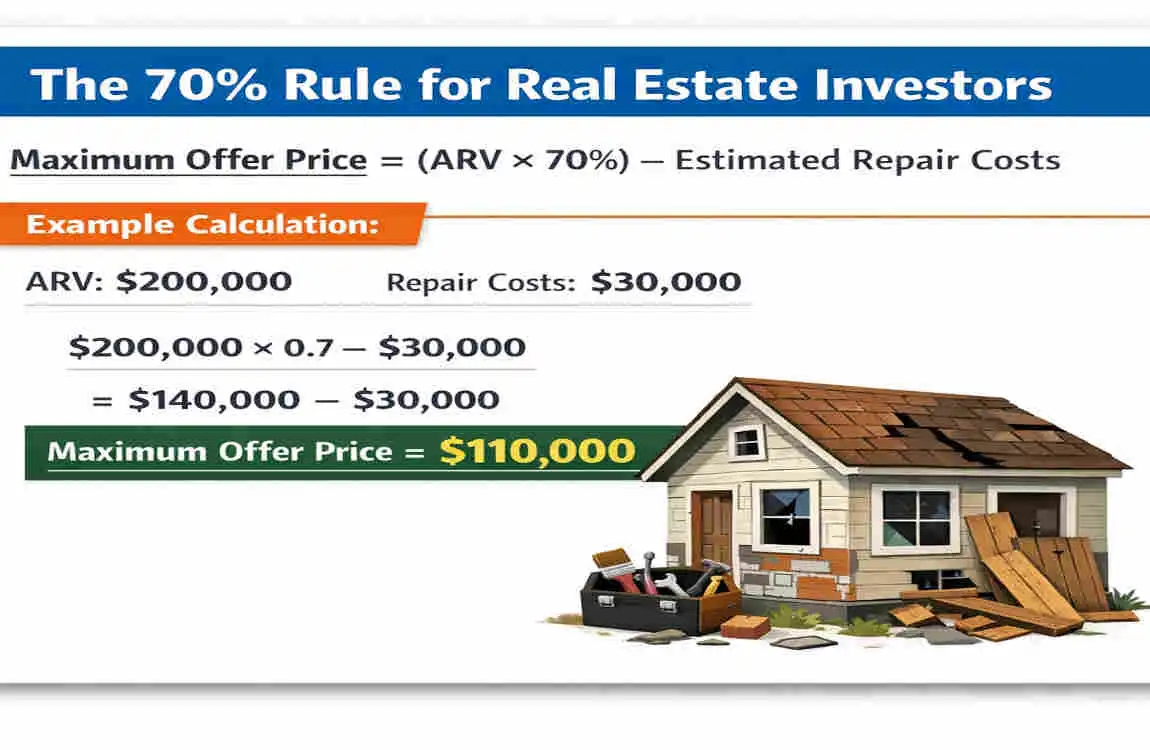
How Investors Set Their Offer
An investor does not usually start with what a buyer might pay in a retail listing. Instead, they look at what the house could be worth after repairs and then subtract costs.
That means the offer is based on:
- Current property value
- Location and neighborhood demand
- Property condition
- Estimated repair costs
- Comparable home sales
- Expected resale value
- Investor expenses and profit
Why Investor Offers Are Often Lower
An investor is taking on risk. They may need to fix the roof, update the kitchen, replace systems, pay taxes, cover insurance, and wait for the home to sell.
Because of that, they usually need to buy at a price below full retail value. This gives them enough room to complete the project and still make money.
Cash Offers vs. Traditional Offers
A cash investor often moves faster than a regular buyer. There is usually no mortgage approval, which can make the sale simpler.
But speed often comes with a trade-off: a lower offer price. A traditional buyer may pay more, but the process can take longer and may include financing delays or repair requests.
What Factors Can Lower or Increase an Investor’s Offer?
Why Property Condition Matters
The condition of your house is one of the biggest factors in the price. A home that is clean, updated, and move-in ready will usually get a stronger offer than a house with major problems.
Investors pay close attention to:
- Roof condition
- Plumbing
- Electrical system
- HVAC
- Flooring
- Kitchen
- Bathrooms
- Water damage
- Structural issues
Cosmetic issues matter too, but they are usually less costly than major repairs.
How Repairs Affect the Offer
If a house needs only light updates, the investor may offer closer to market value. But if the home needs major work, the offer can drop quickly.
For example, a broken furnace, a damaged roof, or a foundation issue can significantly reduce the price because those repairs are expensive and risky.
Market Conditions Also Matter
A home in a hot neighbourhood may attract a stronger investor offer because resale demand is higher. A house in a slow market may bring a lower offer because the investor may have to wait longer to resell it.
Title Problems and Other Complications
Issues like liens, unpaid taxes, or title problems can also affect the offer. Investors may lower the price or ask for more time to fix the paperwork.
Unique homes can be harder to price too. If the property is unusual, the investor may be more cautious.
How Investors Calculate a House’s Potential Value
The Basic Formula
Investors often use a simple formula. They estimate the house’s sale price after repairs, then subtract all expected costs.
That future value is called the after-repair value, or ARV.
They then subtract:
- Renovation costs
- Closing costs
- Holding expenses
- Taxes and insurance
- Resale costs
- Profit margin
Simple Investor Offer Example
Here is a basic example:
ItemAmount
Estimated ARV $300,000
Estimated repairs $40,000
Other expenses $30,000
Desired investment profit $40,000
Possible investor offer $190,000
In this example, the investor is not trying to pay full retail price. They are leaving room for repairs and profit.
That is why the offer can look low at first, even if it is fair from the investor’s side.
Cash Offer vs. Selling Through a Traditional Buyer

Benefits of Selling to an Investor
Selling to an investor can be very helpful if you want a quick and simple sale. Some common benefits include:
- Faster closing
- Fewer contingencies
- No traditional financing delays
- Possible as-is sale
This can be a big relief if the home needs work or you need to sell quickly.
Possible Downsides
The main downside is usually the lower offer price. You may also have fewer buyers to compare against, since you are dealing with one investor instead of a full market of buyers.
You should also read the contract carefully. Some deals look simple at first but include extra fees, inspection clauses, or cancellation rights that favour the buyer.
When a Traditional Sale May Make More Sense
If your home is in great shape and you are not in a hurry, a traditional listing may bring a higher gross price. That does not always mean more money in your pocket, though.
You should compare the net amount after commissions, repairs, holding costs, and closing expenses.
How to Get the Best Offer From a House Investor
Compare Several Offers
Do not accept the first offer too quickly. Ask for quotes from multiple investors so you can compare numbers and terms.
Know Your Home’s Condition
Be honest about what your house needs. If you know the roof is old or the plumbing needs work, factor that in early.
Gather Important Documents
Keep these ready:
- Property tax records
- Utility bills
- Repair history
- Title information
- HOA details, if any
Being prepared can make the process smoother.
Ask About All Costs
A high offer is not always the best offer. Ask who pays closing costs, whether there are fees, and how long the inspection period lasts.
Questions to Ask an Investor Before Accepting an Offer
- Is the offer cash?
- Are there any additional fees?
- Who pays closing costs?
- Will the investor inspect the property?
- Can the investor cancel after signing?
- What is the expected closing date?
- Is the offer contingent on another sale or financing?
When Selling Your House to an Investor Makes Sense

Good Situations for an Investor Sale
Selling to an investor can be a smart move when speed matters more than top price. This often works well if you are:
- Selling an inherited home
- Moving quickly
- Avoiding major repairs
- Dealing with a vacant property
- Handling a house with damage
- Looking for a simple as-is sale
Think About Net Proceeds
Always compare the investor’s offer with what you might net from a traditional sale. A higher listing price does not always mean more money after repairs, time, and fees.
Sometimes a lower cash offer can be the better deal if it saves time and stress.
FAQ
How much will an investor pay for my house?
It depends on market value, repairs, location, and the investor’s expenses and profit needs.
Do house investors usually pay less than market value?
Yes, because they bear repair, holding, and resale costs, as well as financial risk.
Can I sell my house to an investor as-is?
Yes, many investors buy homes in their current condition, but terms vary.
How can I know if an investor’s offer is fair?
Compare it with recent sales, repair estimates, and other investor offers.
Should I get multiple investor offers?
Yes. Comparing offers helps you understand your home’s value and negotiate better.
Do cash investors pay closing costs?
Sometimes, but not always. Ask for the details in writing.
How quickly can an investor buy my house?
Some can close very fast, but timing depends on title work, inspections, and local rules.
| Factor | What Investors Consider |
|---|---|
| Home Location | Neighborhood, demand, schools, and local property values |
| Property Condition | Repairs, upgrades, age, and overall condition |
| Market Value | Recent sales of similar homes nearby |
| Repair Costs | Estimated money needed to renovate the property |
| Investor Strategy | Whether they plan to rent, renovate, or resell |
| Cash Offer | Investors often offer below full market value for a faster sale |
