

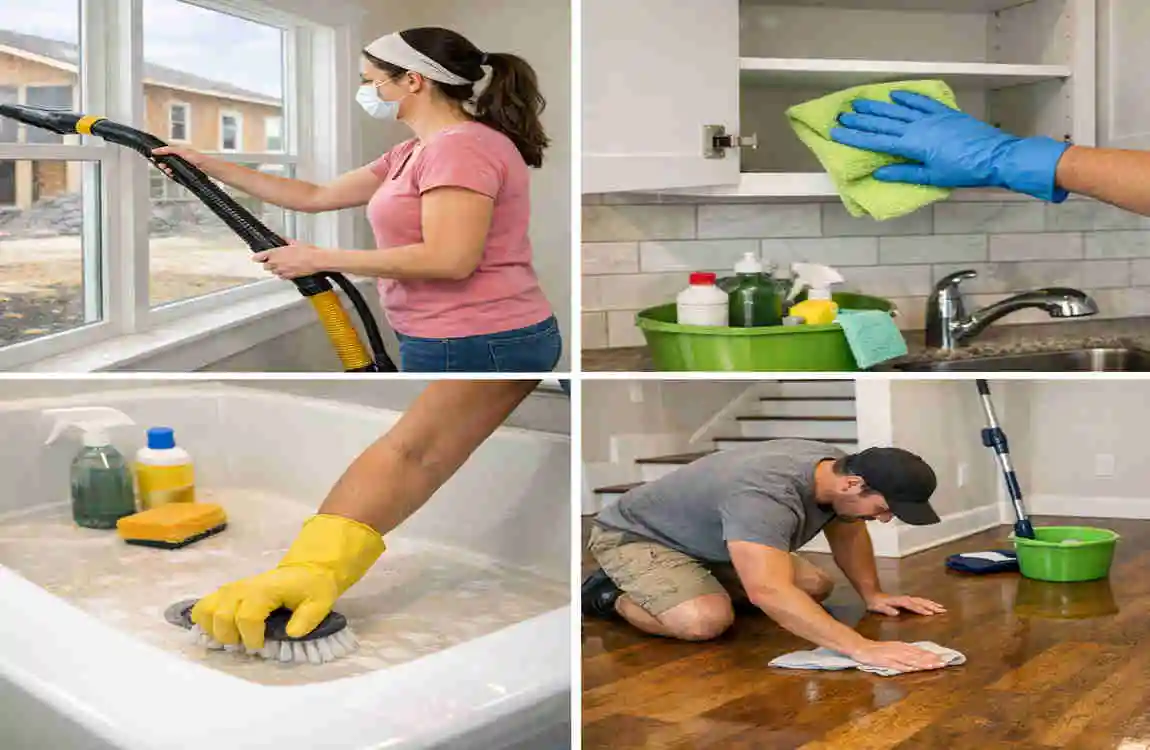
Moving into a brand-new house feels exciting. Everything looks fresh, clean, and ready to enjoy. But even a newly built home usually needs a full deep clean before it is truly move-in ready.
Why? Because construction leaves behind more than you can see at first glance. There may be drywall dust, sawdust, paint specks, adhesive residue, stickers, packaging, and fine debris sitting on surfaces, inside cabinets, and around vents. If you clean the wrong way or in the wrong order, that dust can spread again and settle right back down.
That is why learning how to deep-clean new-construction home spaces the right way matters. A top-to-bottom cleaning process helps you remove debris safely while protecting your new finishes.
Why Deep Cleaning a New Construction Home Is Important
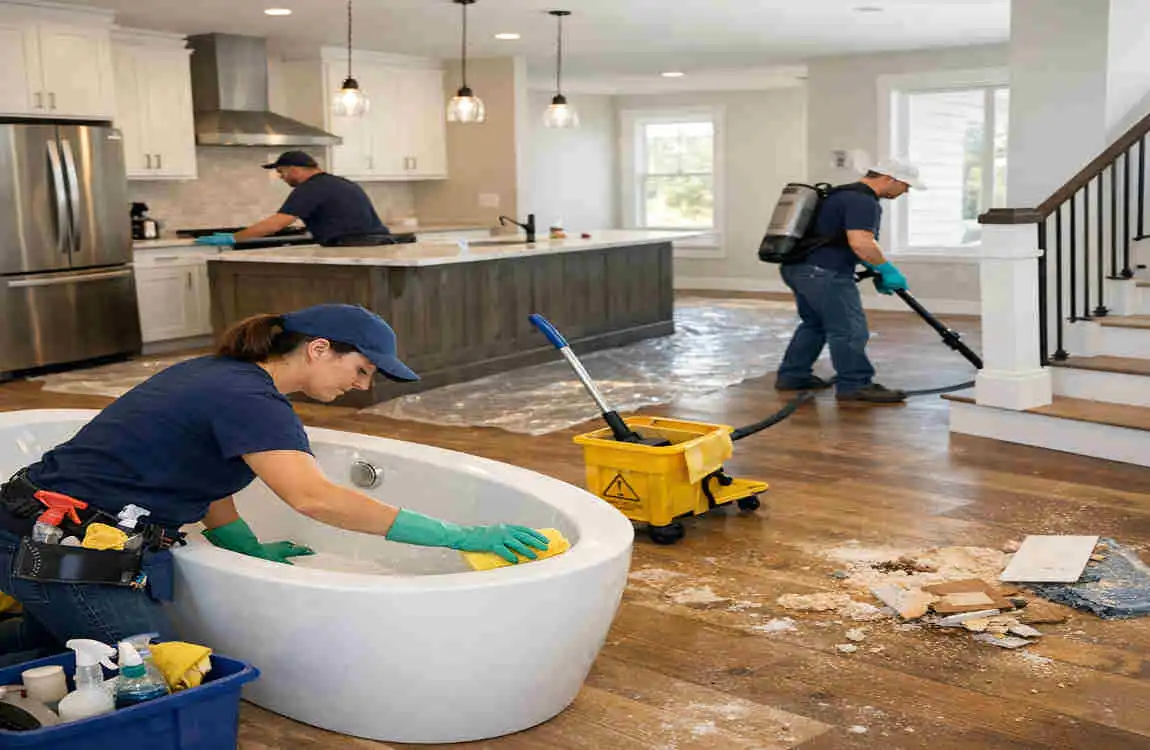
A new build may look spotless, but it often has hidden mess from the building process. Deep cleaning is the final step that makes the home ready for daily life.
Remove construction dust and fine debris.
Construction dust is very different from everyday household dust. It is often much finer, which means it can settle on almost everything. You may find it on:
- Floors
- Windowsills
- Cabinet tops
- Baseboards
- Light fixtures
- Vents
- Door frames
A quick wipe is usually not enough. Fine dust tends to float in the air and keep moving around the house. That is why a careful cleaning order matters.
Prepare the home for safe move-in
Before you bring in furniture, clothes, dishes, and personal items, the home should be clean enough for everyday use. That includes the kitchen, bathrooms, bedrooms, and any surface people will touch often.
You want your home to feel safe and comfortable from day one. A deep clean helps remove grime, dust, and leftover construction material that could affect your comfort or health.
Protect new finishes and fixtures.
New homes often include new flooring, cabinets, countertops, glass, and appliances. These surfaces can be scratched or damaged if you use the wrong product or tool.
A gentle cleaning approach helps preserve the home’s value. The goal is not just to clean, but to preserve the finish.
What You Need Before You Start Cleaning
Before you begin, gather the right tools. This saves time and helps you clean more organised.
Essential cleaning supplies
Here is a practical checklist to keep nearby:
- Microfiber cloths
- Vacuum with a HEPA filter
- Mop and bucket
- Soft brushes
- Glass cleaner
- Mild all-purpose cleaner
- Disinfectant
- Sponges
- Scrub brushes
- Trash bags
- Gloves
- Extension duster
These items cover most post-construction cleaning jobs. Microfiber cloths are especially useful because they trap dust instead of pushing it around.
Safety equipment and precautions
New construction cleaning can stir up a lot of fine dust. That is why safety matters.
Wear gloves when needed, and use eye protection if debris may fall. Keep windows open when possible so fresh air can move through the home.
Also, do not mix cleaning products. That can create harmful fumes. Always read labels carefully and follow the instructions.
If the builders left large debris, sharp materials, or anything that looks unsafe, make sure those items are removed before you start deep cleaning.
Check the builder’s final work first.
Before you begin scrubbing, walk through the home and look for:
- Leftover stickers
- Protective film
- Packaging
- Nails or screws
- Paint splatters
- Adhesive residue
- Broken trim or surface damage
If something is damaged, take photos first and report it before cleaning over the issue. This protects you in case repair work is needed later.
It is also smart to make sure major construction is truly finished. Deep cleaning is much easier when you are not cleaning around active work.
How to Deep Clean New Construction Home Step by Step
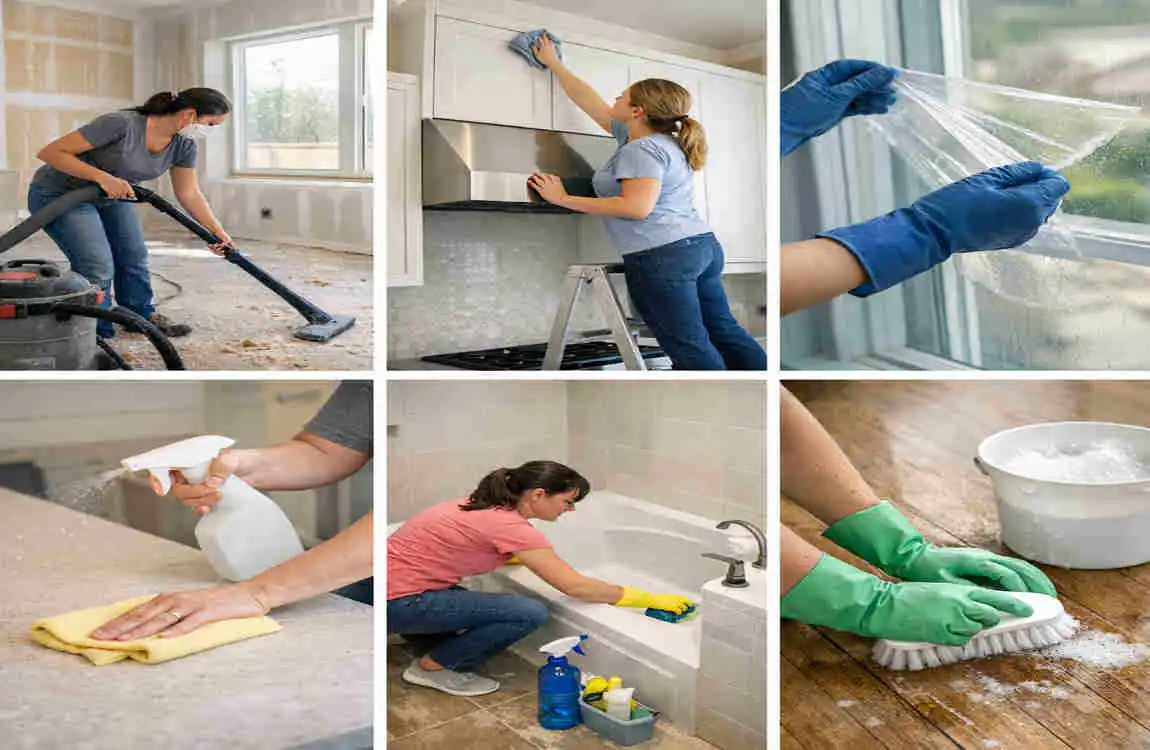
The best method is to clean from the top down. That way, dust from higher surfaces falls to lower ones you have not cleaned yet.
Start with ceilings and light fixtures.
Begin with the highest points in the house. Dust likes to collect in corners, along ceiling edges, and around fixtures.
Use an extension duster for ceiling corners, fans, vents, and tall light fixtures. If a fixture is delicate, clean it gently with a microfiber cloth.
This step may seem small, but it helps prevent dust from falling onto areas you already cleaned later.
Clean walls, doors, and trim
Once the ceilings are done, move to walls, doors, trim, and baseboards.
Start by dusting gently. If the surface has fingerprints, paint dust, or marks, wipe it with a soft cloth and a mild cleaner. Be careful around freshly painted areas or delicate finishes.
Door frames, window casings, and trim often collect a surprising amount of dust. These details are easy to miss, so take your time.
Clean windows and glass
Windows usually need more than a simple wipe. During construction, they often collect stickers, residue, and dust in the tracks.
Clean the window frames, tracks, sills, and glass. Remove stickers slowly so you do not scratch the surface. Use a glass-safe cleaner and a soft cloth for a streak-free finish.
If the glass has rough debris on it, do not scrub too hard. That can cause scratches.
Deep clean cabinets and shelving
Cabinets are often dusty inside, even when they look closed and protected. Open each one and vacuum out loose dust or debris first.
Then wipe the inside and outside surfaces with a slightly damp microfiber cloth. Clean handles, knobs, and hinges as well.
If there are shelves, drawers, or pantry spaces, clean them before you place anything inside.
Clean floors thoroughly
Floors should always be cleaned last. This is one of the most important parts of the process.
First vacuum the floor carefully, including corners and edges. Then mop with the correct cleaner for your flooring type.
Use the right product for:
- Hardwood
- Tile
- Vinyl
- Laminate
- Carpet
Do not use too much water on wood or laminate. Moisture can damage those surfaces.
Room-by-Room New Construction Cleaning Checklist
Every room has different cleaning needs. A room-by-room plan keeps you organised and helps you avoid missing important spots.
Kitchen
The kitchen is one of the most important places to deep-clean because it contains food, dishes, and cooking tools.
Focus on:
- Cabinet interiors and exteriors
- Countertops and backsplash
- Sink and faucet
- Appliances inside and out
- Vents and edges
- Floor and corners
If appliances are new, remove packaging, film, labels, and protective tape first. Then wipe them carefully using the manufacturer’s care instructions.
Bathrooms
Bathrooms need careful cleaning because they collect dust in tight spaces and around fixtures.
Clean:
- Toilets
- Sinks
- Showers
- Bathtubs
- Mirrors
- Glass doors
- Faucets and handles
- Grout and tile edges
- Floor corners
Construction dust can settle in grout lines and around drains. A soft brush can help remove it without damage.
Bedrooms and living areas
These rooms may look clean at first, but they often hide dust in quiet corners, closets, and trim.
Make sure to clean:
- Ceilings
- Fans and vents
- Walls and doors
- Closets and shelves
- Windows and sills
- Switches and handles
- Floors and carpets
If carpet was installed during construction, vacuum it slowly and more than once. That helps remove embedded dust.
Laundry and utility areas
These rooms are easy to overlook, but they often accumulate a lot of dust.
Check around:
- Washer and dryer hookups
- Water heater areas
- Utility sinks
- Shelves
- Vents
- Baseboards
- Floors
These spaces should be cleaned before boxes, tools, or laundry supplies are added.
Common Construction Areas People Forget to Clean
Some places are easy to skip because they are small or out of sight. But these hidden areas often hold the most dust.
Air vents and HVAC registers
Construction dust can get into vents and register covers. Even if the visible surface looks okay, there may still be dust nearby.
Clean the accessible vent covers and wipe the surrounding areas. If there was heavy construction, you may want to consider a professional HVAC check or duct cleaning.
This matters because you do not want dust blowing through the home after move-in.
Baseboards, corners, and door tracks
Fine dust loves small edges and narrow spaces. Baseboards, corners, and door tracks often need extra attention.
A vacuum attachment works well first. Then follow with a microfiber cloth to pick up anything left behind.
Light switches, handles, and hardware
These are high-touch areas, so they should be clean before move-in.
Wipe:
- Light switches
- Door handles
- Cabinet pulls
- Faucet handles
- Railings
Use only a damp cloth around electrical areas. Avoid soaking switches or outlets.
Garage, stairs, closets, and storage areas
These spaces are commonly forgotten because people focus on the main rooms first. But dust often settles there too.
Clear out debris before bringing in boxes, bikes, tools, or extra furniture. It is much easier to clean these spaces while they are still empty.
Mistakes to Avoid When Deep Cleaning a New Home
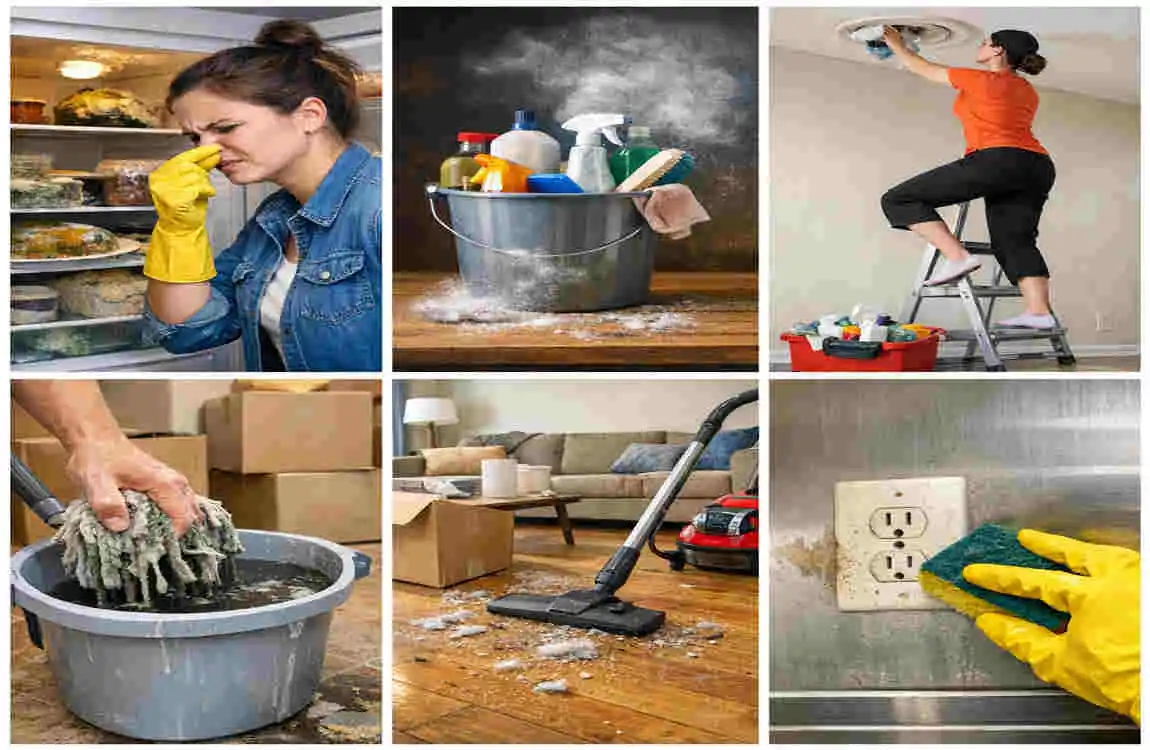
A few simple mistakes can make the job harder or even damage the home. Avoiding them saves time and stress.
Cleaning floors before dusting
This is one of the biggest mistakes. If you clean the floors first, dust from the shelves, walls, and ceilings will fall back down.
Always follow a top-to-bottom cleaning order. That keeps you from repeating work.
Using too much water or harsh chemicals
New surfaces can be sensitive. Too much water can damage wood, laminate, cabinets, or paint. Harsh cleaners can leave marks or dull the finish.
Always check the product label and use the gentlest cleaner that gets the job done.
Ignoring construction residue
Construction residue is not the same as regular dirt. It may include:
- Paint splatter
- Adhesive glue
- Sticker residue
- Grout haze
- Caulk smudges
These materials may need special care. If you are unsure, test a small area first or call a professional.
Moving furniture in too early
It is much easier to clean when rooms are empty. If you move furniture in too soon, you block corners, walls, and floors.
Complete the main deep clean first. Then bring your belongings in once the home is ready.
Frequently Asked Questions
How long does it take to deep-clean a new-construction home?
It depends on the size of the house, how much dust is left behind, and whether one person or a team is cleaning. A small home may take less time, while a larger or dustier home can take much longer.
What should I clean first in a new construction home?
Start by removing large debris first. Then clean from high to low—ceilings, fixtures, walls, then furniture surfaces, and finally floors.
Should I clean before or after moving into a new construction home?
It is usually easier to do the main deep clean before moving furniture and boxes in. That gives you better access to all surfaces.
How do I remove construction dust from a new house?
Use a vacuum with strong filtration, microfiber cloths, and the correct floor cleaner. Work slowly so that dust is picked up rather than spread around.
Should I clean new construction windows?
Yes. Clean the glass, tracks, frames, and sills. Just be careful not to scratch the surface or damage fresh finishes.
Do new construction homes need professional cleaning?
Not always, but professional cleaning can be very helpful for large homes, heavy dust, or stubborn residue. It is often worth it if you want a more complete result.
Can I use regular household cleaners on new construction surfaces?
Sometimes, but not always. Check the surface type and follow the manufacturer’s instructions, especially for flooring, countertops, and cabinets.
How often should I deep clean a new home?
The first deep clean is a special one-time job after construction. After that, follow a regular cleaning routine to keep the home in good condition.
| Deep Cleaning Area | What to Do | Helpful Tip |
|---|---|---|
| Remove Construction Dust | Vacuum walls, floors, ceilings, and corners. | Use a HEPA vacuum if possible. |
| Clean Windows & Glass | Wash glass, frames, tracks, and sills. | Remove stickers and construction residue carefully. |
| Kitchen | Clean cabinets, countertops, appliances, sink, and backsplash. | Wipe inside cabinets before storing items. |
| Bathrooms | Scrub toilets, showers, tubs, tiles, mirrors, and fixtures. | Check corners and grout for leftover dust. |
| Floors | Vacuum first, then mop according to the flooring type. | Avoid excessive water on wood or laminate floors. |
| Doors & Fixtures | Wipe doors, handles, switches, vents, and light fixtures. | Pay attention to fingerprints and fine dust. |
| Final Inspection | Check closets, vents, baseboards, and hidden corners. | Clean again after major dust settles. |
