

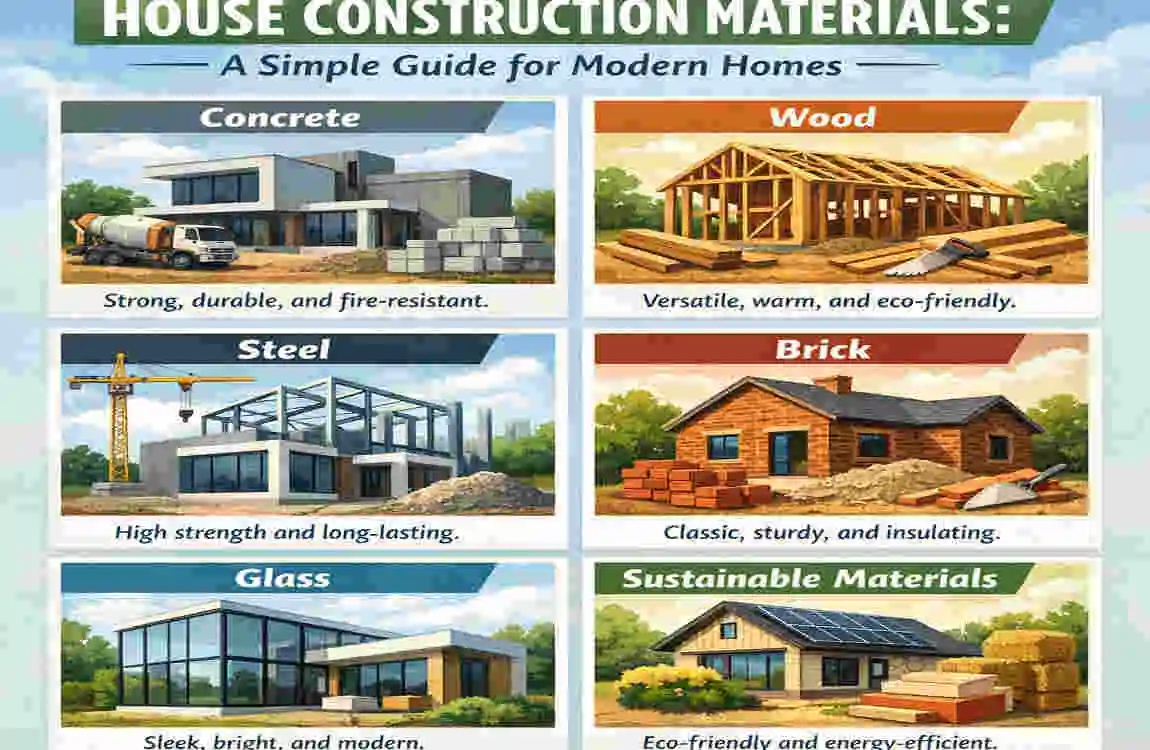
Choosing the right construction materials for your home is one of the most important decisions in any home project. The materials you choose affect how strong the house is, how long it lasts, how much energy it uses, and how much work it will need later.
They also shape the home’s look and comfort. Some materials work better in hot weather. Others handle rain, wind, or cold better. That is why there is no single perfect choice for every house. The best materials depend on your budget, climate, design, and local building rules.
Common House Construction Materials
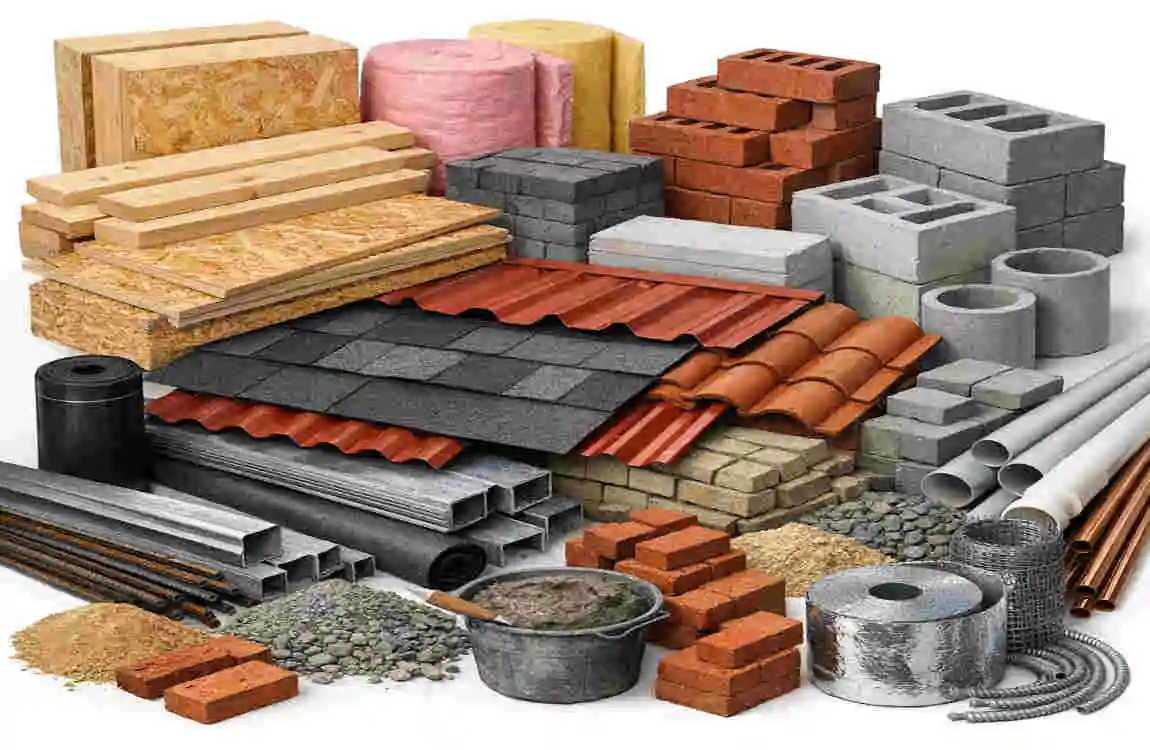
Concrete
Concrete is one of the most widely used building materials in homes. You will often find it in foundations, floors, walls, slabs, and structural supports.
People choose concrete because it is strong, durable, and fire-resistant. It also handles heavy loads well, which makes it a reliable choice for many parts of a house.
Concrete works especially well where long-term strength matters. It is common in foundations and ground floors because it helps keep the structure stable. In modern homes, it is also used in wall systems and decorative design features.
Bricks
Bricks have been used in home building for a long time and remain popular today.
They offer a classic look while providing durability, thermal performance, and low maintenance. A brick home can last for decades when built and maintained properly.
Bricks work well in walls and exterior finishes. They are a strong option when you want a home that looks timeless and performs well in different weather conditions.
Wood
Wood is one of the most flexible materials in house construction. It is used for framing, roofing, flooring, doors, and interior finishes.
Many homeowners like wood for its natural, warm appearance. It is also easy to shape and work with, which makes it useful in many parts of the home.
At the same time, wood needs proper care. It can be affected by moisture, insects, and wear if not well protected. That is why treatment and maintenance matter.
Steel
Steel is often used in structural framing and support systems. It is known for strength, durability, and design flexibility.
Steel is a smart choice for homes that need long spans, open layouts, or extra structural support. It can also help create a more modern style.
However, steel needs proper protection from corrosion. It may also require careful insulation planning because metal can conduct heat and cold more readily than some other materials.
Stone
Stone is used in both natural and manufactured forms. It often appears in foundations, exterior walls, fireplaces, and landscaping.
It gives a home a strong, elegant look and can last for many years. Stone also feels solid and traditional, which makes it popular in both classic and modern homes.
Compared with lighter materials, stone is usually more expensive and heavier to install. Still, its appearance and durability make it attractive for many projects.
Modern Wall and Structural Materials
Concrete Blocks
Concrete blocks, also called CMUs (concrete masonry units), are commonly used in walls and structural sections.
They are valued for being strong, affordable, and fire-resistant. They also work well in basements, garages, and load-bearing walls.
Insulated Concrete Forms
Insulated Concrete Forms, or ICFs, combine structure and insulation in one system. They are designed to make homes more energy efficient and comfortable.
ICFs are useful because they help reduce heat loss and improve durability. They are often chosen for modern homes where energy performance matters.
Engineered Wood
Engineered wood includes products like plywood, OSB, laminated veneer lumber, and engineered beams.
These materials are useful because they are made for strength and consistency. They help builders reduce waste and create reliable structural support.
Engineered wood is very common in modern construction because it is practical, versatile, and efficient to use.
Fiber Cement
Fiber cement is used for siding and wall panels. It is made to resist moisture, fire, and insects better than many traditional exterior materials.
It is a good option for homeowners who want durability with a clean, modern finish. It also works well in different climates.
Insulation and Energy-Efficient Materials
Fiberglass Insulation
Fiberglass is one of the most common insulation materials. It is used in walls, attics, and ceilings.
It is affordable and widely available, which makes it a common choice in residential buildings.
Spray Foam Insulation
Spray foam insulation helps seal air leaks while also insulating the home. That makes it very effective in many areas.
It often needs professional installation, but it can deliver strong energy savings and comfort improvements.
Rigid Foam Boards
Rigid foam boards are used where higher insulation performance is needed. They are especially helpful in areas that may face moisture or temperature changes.
Energy-Efficient Windows
Windows play a major role in home energy use. Double-pane and triple-pane windows help reduce heat transfer.
Low-E glass and proper frame insulation can improve comfort and lower energy bills. Good windows are a smart long-term investment.
Plumbing and Electrical Construction Materials
Plumbing Pipes
Common plumbing pipe materials include:
- PEX
- Copper
- PVC
- CPVC
Each one has a different use. Some work better for hot water, some for drains, and some for supply lines. The right choice depends on the application and local rules.
Electrical Wiring
Residential wiring must be safe and code-compliant. The exact materials and setup should match local building requirements and the home’s needs.
Modern Fixtures and Fittings
Durable fixtures can reduce leaks, improve water use efficiency, and lower maintenance needs over time. That makes them a small but important part of a good house build.
How to Choose the Best House Construction Materials
Consider Your Budget
Do not look only at the purchase price. Also think about:
- Installation cost
- Repair cost
- Replacement cost
- Maintenance cost
Sometimes a more expensive material saves money later.
Consider the Local Climate
Climate matters a lot. Heat, cold, humidity, rain, snow, and strong wind all affect material performance.
A material that works well in one region may perform poorly in another.
Compare Durability
Ask how long the material should last and how it handles:
- Moisture
- Pests
- Fire
- Daily wear
Think About Maintenance
Some homeowners want low-maintenance materials. Others are fine with more upkeep. Choose what fits your lifestyle.
Consider Energy Efficiency
Good insulation, efficient windows, and smart exterior materials can lower energy use and improve comfort.
Match Materials With Home Design
Materials should also fit the home’s style. A modern home may look better with clean finishes and steel accents, while a traditional home may suit brick, wood, or stone.
Sustainable House Construction Materials
Recycled Materials
Recycled steel and reclaimed wood can help reduce waste. They may also add character to the home.
Locally Sourced Materials
Using local materials can reduce transport needs and support local suppliers.
Low-Impact Materials
Sustainably sourced wood and low-emission products are good choices for reducing environmental impact.
Durable Materials
Long-lasting materials can reduce replacement waste over time. That is a simple but important part of sustainability.
House Construction Materials: Cost vs. Long-Term Value
A cheap material is not always the best value. Some low-cost products may need frequent repairs or replacement.
Premium materials may cost more at the start, but they can offer:
- Longer lifespan
- Lower maintenance
- Better energy savings
- Fewer repairs
That is why it helps to think about total lifecycle cost, not just the first bill.
Material TypeUpfront CostDurabilityMaintenanceLong-Term Value
Concrete Moderate High Low Strong
Brick Moderate to High High Low Strong
Wood Moderate Moderate Medium Good
Steel Higher Very High Low to Medium Strong
Vinyl Flooring Low to Moderate Moderate Low Good
Metal Roofing Higher Very High Low Strong
Common Mistakes When Choosing Construction Materials
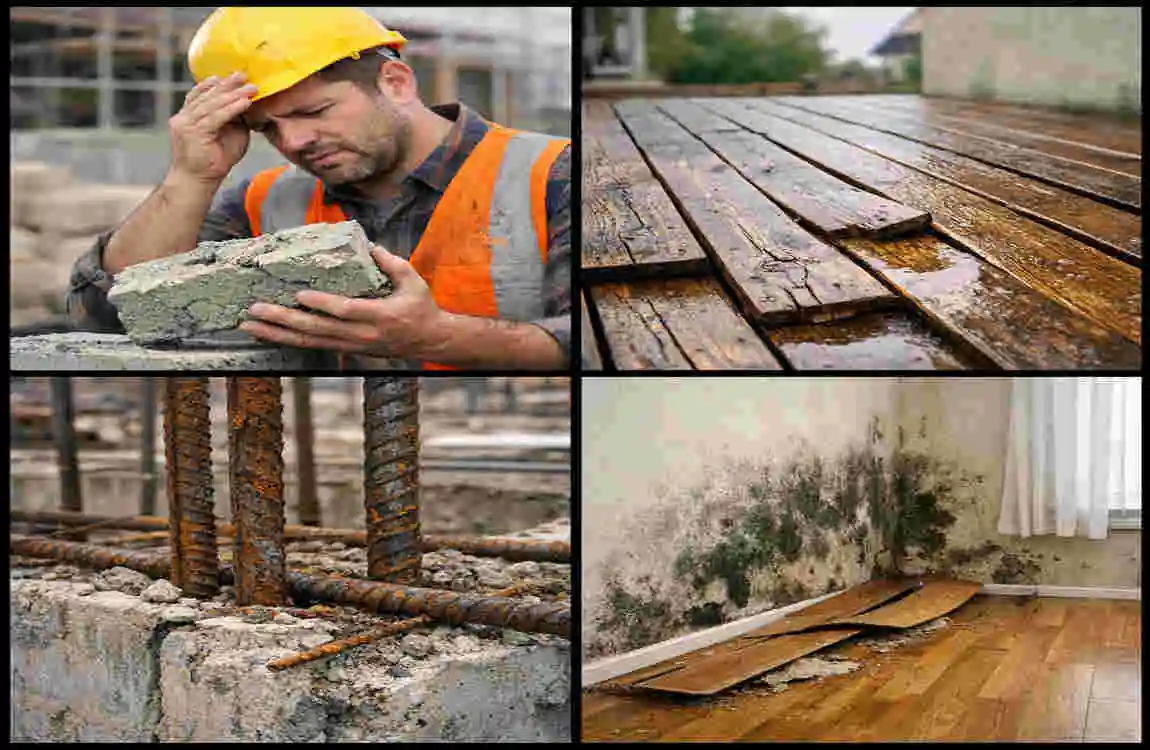
Some common mistakes include:
- Picking materials only because they are cheap
- Ignoring local climate
- Mixing incompatible products
- Choosing appearance over performance
- Forgetting maintenance needs
- Skipping building code checks
- Avoiding professional advice when it is needed
These mistakes can lead to higher costs later.
Tips for Buying House Construction Materials
Here are a few practical tips:
- Make a detailed material list first
- Compare specifications, not just brand names
- Check warranties and ratings
- Buy from trusted suppliers
- Order enough material with some waste allowance
- Store materials properly before use
- Ask contractors about compatibility
A little planning before buying can prevent a lot of problems later.
FAQ
What are the most common house construction materials?
Concrete, brick, wood, steel, stone, concrete blocks, engineered wood, and insulation materials are commonly used in residential construction.
What is the strongest material for house construction?
Concrete and steel are both very strong, but the best choice depends on the structural design and the part of the home being built.
Which construction material is best for a modern home?
There is no single best material. A mix of concrete, steel, engineered wood, insulation, durable roofing, and modern finishes often works well.
What is the most affordable material for building a house?
Costs vary, but wood framing, concrete blocks, and certain brick systems can be cost-effective depending on the project.
How do I choose construction materials for a house?
Consider budget, climate, durability, maintenance, energy efficiency, appearance, and local building codes.
Are sustainable construction materials worth it?
Yes, especially if they improve durability, reduce waste, or lower energy use over the life of the home.
Should I choose materials based only on price?
No. A cheaper material can end up costing more later if it requires frequent repairs or replacement.
| House Construction Material | Main Use | Key Benefit |
|---|---|---|
| Concrete | Foundations, walls, floors | Strong and durable |
| Bricks | Exterior and interior walls | Durable and low-maintenance |
| Steel | Frames, beams, roofing | Strong and lightweight |
| Wood | Framing, floors, doors | Natural and versatile |
| Glass | Windows, doors, walls | Adds natural light |
| Insulation | Walls, roofs, floors | Improves energy efficiency |
