

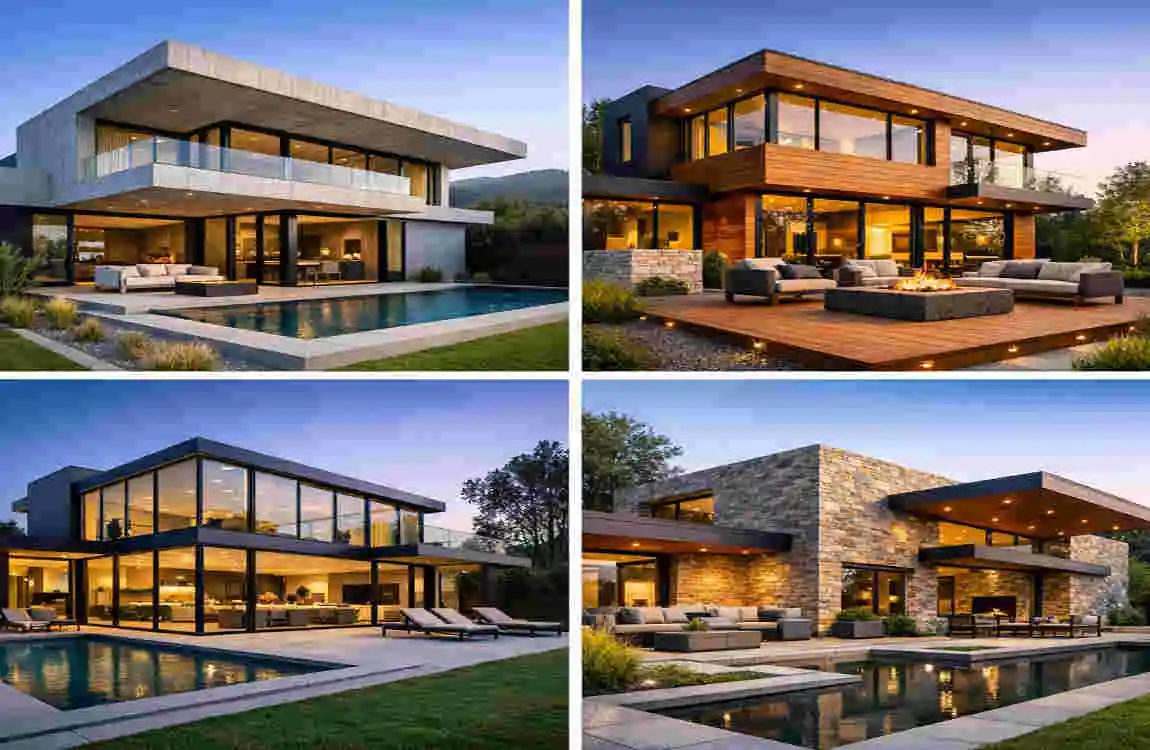
Residential building materials are the products and components used to build, finish, and protect a home. These include the structure, walls, roof, floors, windows, insulation, and decorative finishes.
Some materials have been used for generations, like wood, brick, and stone. Others are more modern, such as steel framing, fiber-cement siding, and energy-efficient glass. Today, many homeowners also want eco-friendly, energy-efficient materials.
The right material choice can affect the whole life of the home. A strong material can reduce repairs. A good insulating material can lower energy bills. A low-maintenance option can save time. And a beautiful finish can make the home feel more inviting.
What to Consider When Choosing Building Materials
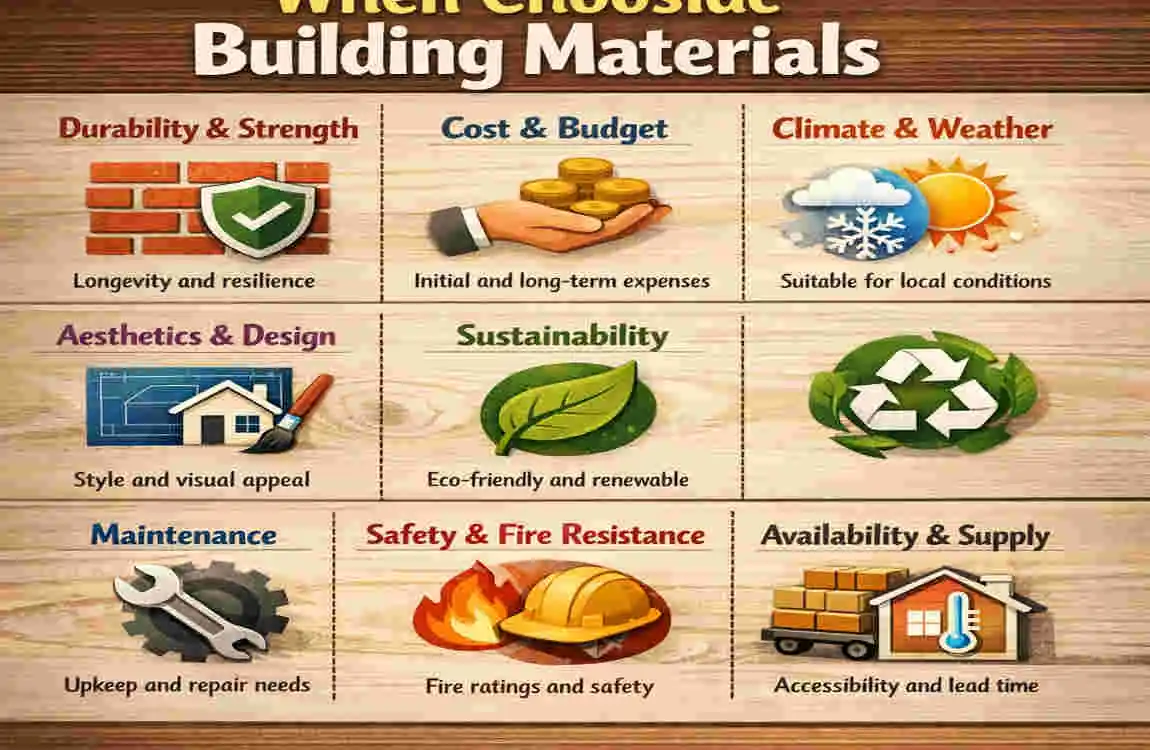
Before you pick any material, take a step back and think about how the home will be used. A material should do more than look good. It should fit your climate, budget, and lifestyle.
Durability and lifespan
Durability means how well a material holds up over time. Some materials resist moisture, pests, and weather better than others.
If you want fewer repairs in the future, choose materials with a long lifespan. For example, brick, stone, and concrete are known for their longevity. Wood can also last well, but it may need more care.
Think about where the material will be used. Exterior walls, foundations, and roofs need stronger protection than decorative features.
Cost and budget
Material cost is not just about the purchase price. You also need to consider installation, labor, transportation, and future maintenance.
A material that costs less today may cost more later if it wears out quickly or needs regular repairs. On the other hand, a more expensive product may save money over the life of the home.
That is why it helps to think about long-term value, not just first cost.
Energy efficiency
Some materials help keep heat in during winter and out during summer. That means the home stays more comfortable and uses less energy.
Insulation, roofing, windows, and wall materials all play a part. Good energy performance can reduce monthly utility bills and improve comfort inside the house.
If you live in a very hot or very cold climate, energy efficiency should be a top priority.
Maintenance requirements
Some materials need regular cleaning, sealing, painting, or repair. Others stay in good shape with very little care.
If you want a low-stress home, choose materials that are easy to maintain. This is especially helpful for busy homeowners or rental properties.
Low-maintenance materials are often a smart choice for the long run.
Style and home design
The materials you choose also shape the look of the home. A modern home might use concrete, glass, steel, and smooth finishes. A warmer or more traditional home might use wood, brick, and stone.
The best design often combines materials in a balanced way. For example, you might use wood for warmth, glass for openness, and concrete for strength.
Best Structural Residential Building Materials
Structural materials are the backbone of the home. They support the weight of the house and help keep it safe and stable.
Concrete
Concrete is one of the most important materials for residential construction. It is strong, versatile, and widely used.
It works well in foundations, floors, walls, and structural supports. Concrete can handle heavy loads and resist fire, moisture, and weather damage.
It is also flexible in design. Builders can use it in simple forms or in more modern architectural styles.
Benefits of concrete
- Very strong
- Long-lasting
- Good for foundations and slabs
- Resistant to fire and pests
- Works well in many climates
Limitations of concrete
Concrete can crack if it is not installed properly. It also needs good planning, especially in cold or wet climates.
It may not be the most visually warm material on its own, so many homes combine it with wood, stone, or other finishes.
Steel
Steel is often used for framing and structural support. It is known for being strong, stable, and pest-resistant.
Modern homes sometimes use steel because it allows for larger open spaces and fewer support walls. This is useful in open-plan layouts.
Steel also performs well in places where termites or wood damage are common.
Benefits of steel
- High strength
- Long lifespan
- Resistant to pests
- Good for modern designs
- Works well in large or open structures
Considerations with steel
Steel can cost more than some other options. It may also need proper insulation because metal can transfer heat and cold more easily.
That means steel framing often works best when combined with good insulation and smart wall design.
Wood
Wood is one of the most popular home building materials because it is familiar, flexible, and attractive. It works in framing, flooring, walls, ceilings, and decorative details.
Engineered wood products have also become important in modern homes. These products are made to be stronger and more stable than some natural wood pieces.
Wood gives a home a warm and natural feeling that many people love.
Benefits of wood
- Easy to work with
- Warm and attractive
- Widely available
- Good for framing and interiors
- Fits many home styles
Considerations with wood
Wood can absorb moisture and may be affected by termites or rot if not protected well. It often needs more maintenance than brick or stone.
Still, with good care, wood can last a long time and look beautiful.
Brick and Masonry
Brick and masonry are strong, classic, and widely respected in residential construction. They are often used for exterior walls, facades, and decorative accents.
Brick gives the home a timeless look. It also enhances durability and can provide thermal mass, meaning it absorbs and releases heat slowly.
Benefits of brick
- Very durable
- Low maintenance
- Classic appearance
- Good thermal performance
- Resists weather well
Considerations with brick
Brick can be more expensive upfront than some other materials. It may also require skilled installation.
Still, many homeowners see it as a strong long-term investment.
Modern Exterior and Interior Building Materials
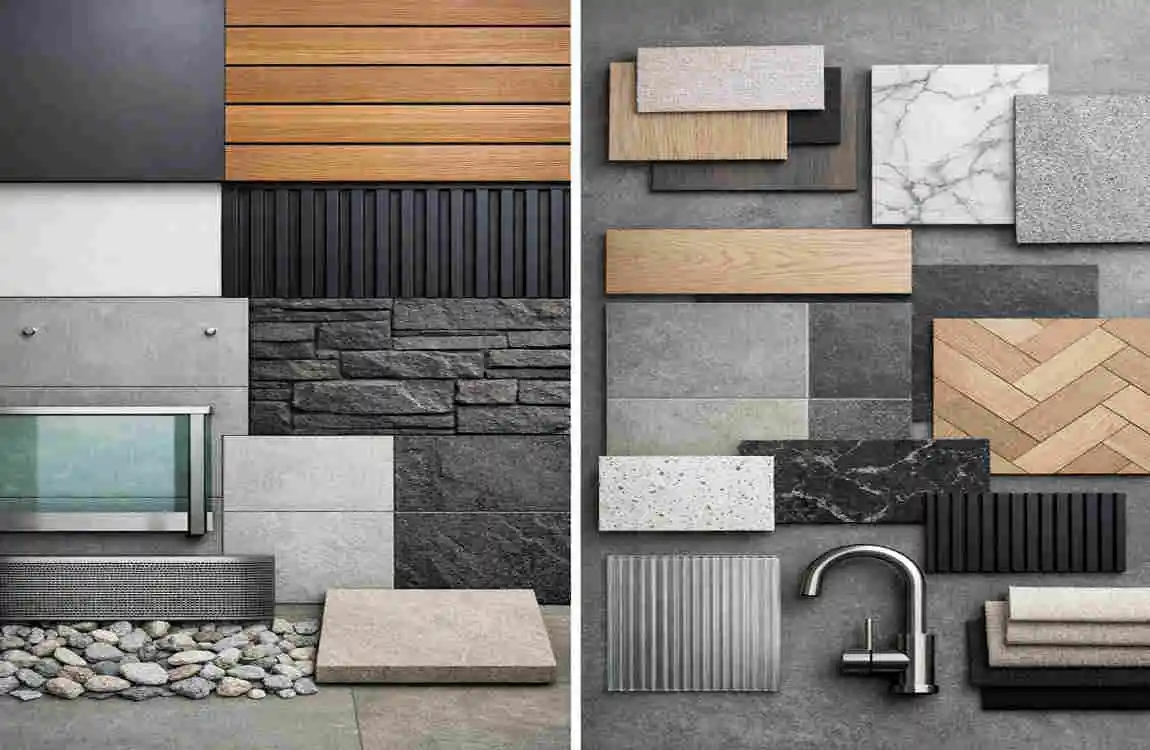
Modern homes often use materials that improve light, texture, comfort, and performance. These materials are often chosen for both style and function.
Glass
Glass is one of the defining features of modern home design. Large windows, glass doors, and open views make a house feel brighter and more connected to the outdoors.
Glass adds light and visual openness. It can also make rooms feel larger and more welcoming.
Energy-efficient glass is especially important. It helps control heat loss and gain, improving comfort and reducing energy use.
Stone
Stone adds strength and beauty to both the inside and outside of a home. Natural stone gives a rich, unique look, while manufactured stone can offer a similar style at a lower cost.
Stone is often used for fireplaces, feature walls, floors, and exterior details. It creates a premium look and feels very solid.
Why homeowners like stone
- Strong and durable
- Low to medium maintenance
- Works in modern and traditional homes
- Adds texture and visual interest
Fiber Cement
Fiber cement is a popular siding material for modern homes. It is made to handle weather, insects, and moisture better than some other exterior products.
Many homeowners like it because it can mimic the look of wood without requiring the same level of upkeep.
It is often used for siding, trim, and exterior panels.
Metal
Metal plays a growing role in modern architecture. It is used in roofing, siding, railings, doors, and decorative details.
Aluminum and other metals can give a home a clean and modern appearance. They are also strong and can last a long time with proper installation.
Metal works especially well in homes that have a contemporary or industrial style.
Drywall and Interior Panels
Inside the home, drywall is one of the most common materials used to create walls and ceilings. It is easy to install and gives a smooth finish.
There are also special types of drywall for moisture protection or sound reduction. These are useful in bathrooms, bedrooms, and shared walls.
Interior panels can also add texture and style. They are often used in feature walls or modern decorative spaces.
Energy-Efficient and Sustainable Building Materials
More homeowners now want homes that use less energy and create less waste. That has made sustainability a bigger part of modern construction.
Insulation materials
Insulation is one of the most important parts of an energy-efficient home. It helps keep indoor temperatures stable.
Common insulation materials include:
- Fiberglass
- Mineral wool
- Spray foam
- Rigid foam
Each one has different strengths. Some are better for walls, others for attics, ceilings, or crawl spaces. The right choice depends on your home and climate.
Sustainable wood
Responsibly sourced wood is a strong choice for eco-friendly construction. It can come from managed forests and can be used in framing, flooring, and finishing.
Engineered wood products are also useful because they can make better use of raw materials and reduce waste.
Wood is renewable, which makes it attractive for sustainable building plans.
Recycled and reclaimed materials
Some modern homes use materials that have already had a previous life. This includes reclaimed wood, recycled glass, and recycled metal.
These materials can reduce waste and give the home a unique look. They are also a good way to add character to a modern space.
Energy-efficient windows
Windows have a big impact on energy use. Good windows help control heat, reduce drafts, and improve comfort.
Options like low-E glass, double-pane windows, and triple-pane windows are designed to perform better than standard glass. Insulated frames can also improve results.
Eco-friendly concrete alternatives
The building industry is working on ways to reduce the carbon impact of concrete. Some newer mixes use less cement or include recycled materials.
These products aim to maintain concrete strength while reducing environmental impact.
This area is still growing, but it is an important part of the future of construction.
How to Choose the Best Residential Building Materials for Your Home
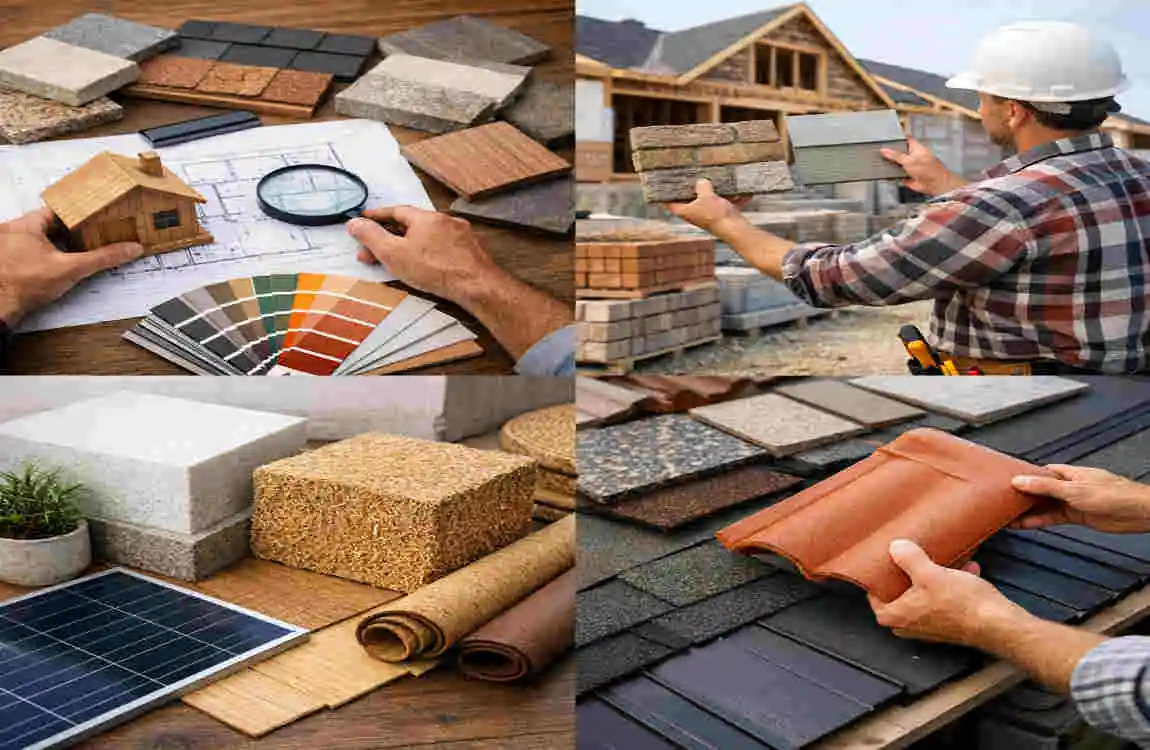
Now that you know the main options, the next step is figuring out what is right for your home. The best choice depends on several practical factors.
Consider your climate
Climate matters a lot. Hot, humid, rainy, coastal, and cold regions all create different needs.
For example, homes in wet areas need materials that resist moisture. Homes in very hot areas need good heat control. Homes in cold places need strong insulation and reliable wall systems.
Always think about the weather before choosing materials.
Set a realistic budget.
Your budget should include more than the price of the material itself. You also need to consider:
- Labor
- Installation
- Transportation
- Maintenance
- Future repairs
This gives you a more honest view of cost. A material that looks expensive at first may actually be a better deal over time if it lasts longer and needs less care.
Compare long-term value
Long-term value is about how a material performs over years, not just during installation.
Ask yourself: Will this material last? Will it save energy? Will it need frequent repairs? Will it still look good after several years?
These questions help you make smarter decisions.
Match materials to your home’s design
Materials should also match the style of the house. A modern minimalist home may use smooth finishes, glass, steel, and concrete. A farmhouse-style home may use wood and stone. A contemporary home might mix several materials.
When materials match the design, the home feels more complete.
Work with professionals
Builders, architects, and contractors can help you choose the right materials for your project. They know how materials perform and how they work together.
They can also help you check local building codes and product details. That matters because not every material works in every situation.
FAQs About Residential Building Materials
What are the most common residential building materials?
The most common residential building materials include concrete, wood, steel, brick, glass, stone, and composite products. These materials are often used together in modern homes.
What is the best material for building a modern home?
There is no single best material. The right choice depends on climate, budget, design style, structural needs, and the level of maintenance you want.
Which residential building materials last the longest?
Concrete, brick, stone, and properly maintained metal often last a very long time. These materials are known for durability and strength.
What are the most energy-efficient building materials?
Insulation, energy-efficient windows, and well-designed wall systems are key. Materials that reduce heat transfer help make the home more efficient.
What are the most sustainable building materials?
Responsibly sourced wood, recycled materials, low-carbon concrete, and long-lasting products are all good sustainable choices.
Are modern building materials more expensive?
Some modern materials cost more upfront. But they may offer better durability, lower maintenance, and improved energy savings over time.
How can I choose residential building materials on a budget?
Focus on safety, durability, and long-term value first. It is better to choose materials that last and perform well than to only look for the lowest price.
| Building Material | Best For | Key Benefits |
|---|---|---|
| Concrete | Foundations & walls | Strong, durable, fire-resistant |
| Steel | Structural framing | High strength, long-lasting, recyclable |
| Brick | Exterior walls | Durable, low maintenance, timeless look |
| Wood | Framing & interiors | Warm appearance, renewable, versatile |
| Glass | Windows & facades | Natural light, modern appearance |
| Stone | Walls & accents | Elegant, durable, weather-resistant |
| Aluminum | Doors & window frames | Lightweight, corrosion-resistant, low maintenance |
