

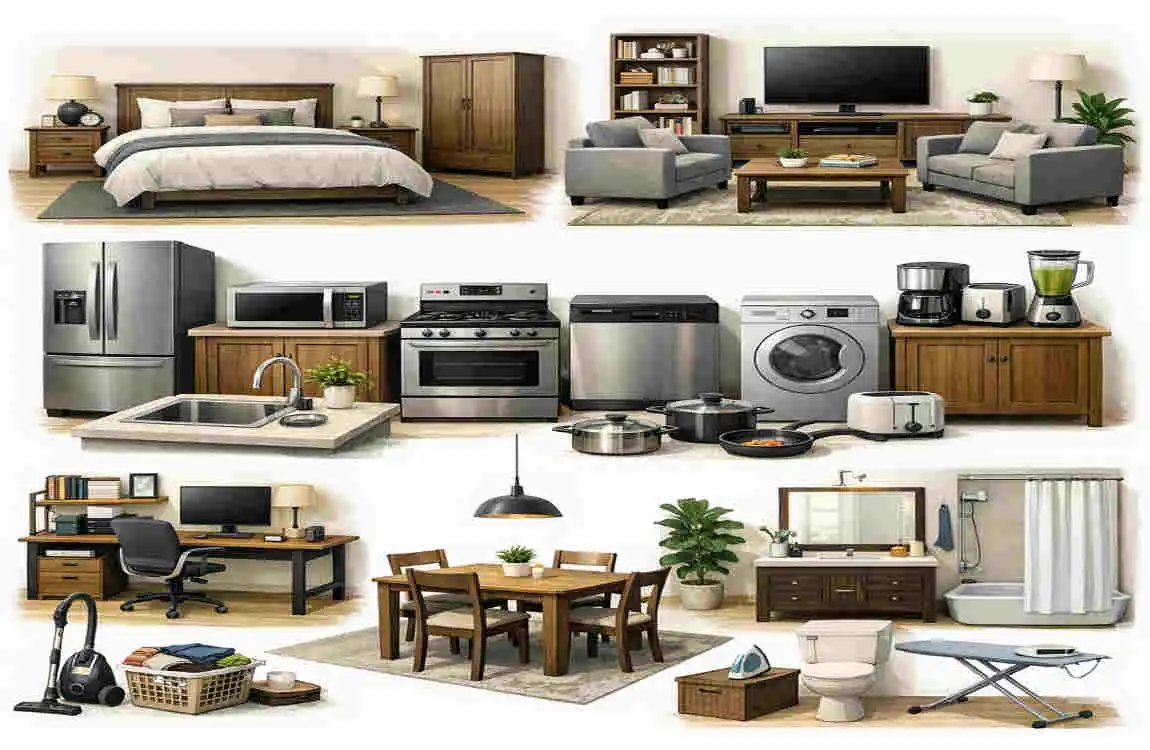
Choosing the right furniture, appliances, and home features is one of the most important parts of setting up a comfortable home. You use these things every day, so they should support your routine, fit your space, and make life easier.
If you are wondering what furniture, appliances, and features may be included, the answer depends on your home size, lifestyle, and budget. Still, most homes include a few basic items for sleeping, cooking, working, storage, cleaning, and comfort.
Essential Furniture for Every Room
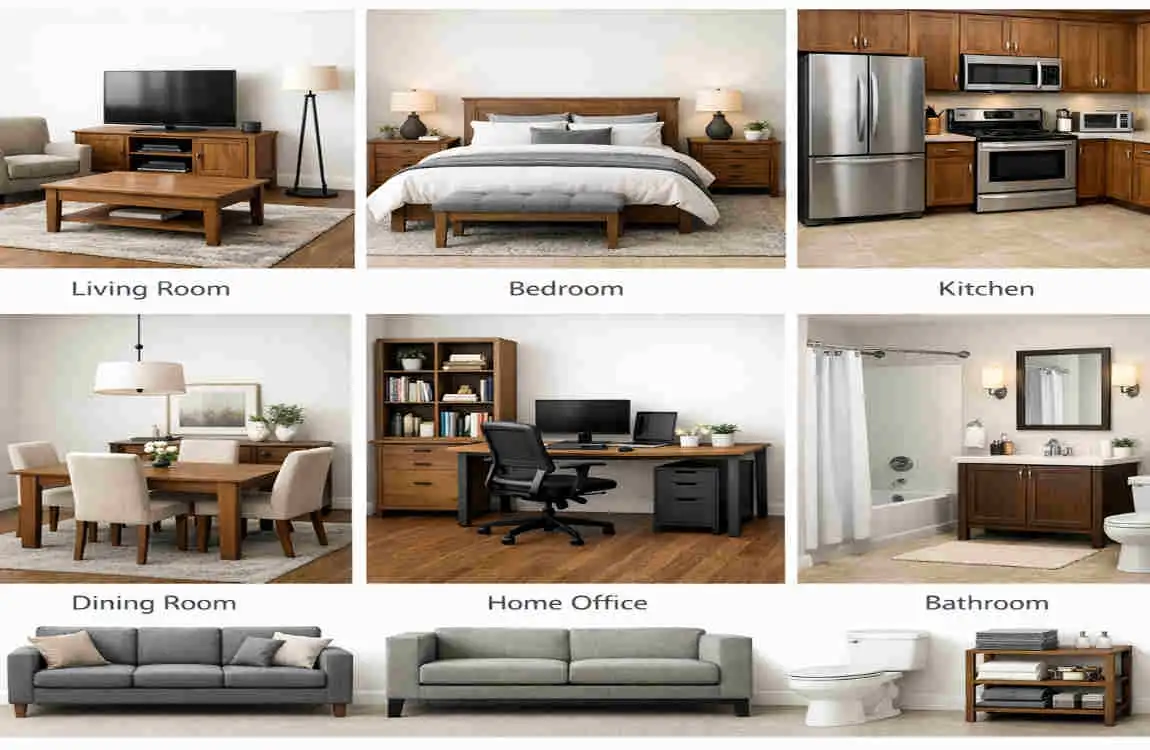
Living room furniture
The living room is often a home’s main gathering space. People relax, talk, watch TV, and spend time together here. Because of that, the furniture should feel both comfortable and practical.
A basic living room usually includes a sofa, one or two chairs, a coffee table, and a TV stand or media unit. Some homes also add side tables, ottomans, or a bookcase.
When choosing living room furniture, think about how the room is used. If you host guests often, you may want more seating. If the room is small, choose lighter pieces that do not make the space feel crowded.
Bedroom furniture
A bedroom should feel restful and organised. Common bedroom furniture includes a bed, wardrobe or closet storage, a dresser, and bedside tables.
The bed is the main piece, so comfort should come first. After that, storage becomes important. A dresser, wardrobe, or built-in closet helps keep the room tidy and calm.
If you have a small bedroom, choose furniture that offers storage without taking up too much floor space. For example, a bed with drawers underneath can be very useful.
Dining room furniture
A dining room usually centres around a dining table and chairs. Some homes also include a storage cabinet, buffet, or sideboard for dishes and serving items.
The table should match the room’s size. A large table may look good in a big dining room, but it can feel overwhelming in a smaller one. Chairs should be sturdy and comfortable enough for longer meals.
If you often entertain, consider a table that expands with extra leaves. That gives you flexibility without needing a much larger table every day.
Home office furniture
A home office needs furniture that helps you stay focused and organised. The basics usually include a desk, an ergonomic chair, and bookshelves or storage cabinets.
If you spend many hours at your desk, comfort matters. A good chair supports your back and helps reduce strain. Your desk should offer enough surface space for a laptop, papers, and work tools.
You may also want storage for files, office supplies, and charging equipment. The more organised your office feels, the easier it is to stay productive.
How to choose the right furniture
Furniture should fit your space, your comfort needs, and your budget. Before you buy anything, measure the room carefully. This helps you avoid pieces that are too big or too small.
Also think about how long the furniture should last. A cheap item may save money at first, but a stronger piece may be better in the long run. Comfort and durability usually matter more than style alone.
Simple furniture buying tips
- Choose pieces that fit the room size
- Look for comfort first, then style
- Pick materials that match your lifestyle
- Leave enough space to move around
- Buy the most important pieces first
Kitchen Appliances Every Home Needs
Essential kitchen appliances
The kitchen is one of the most important rooms in the house, and the appliances you choose affect how easy it is to cook and clean. Most homes need a refrigerator, stove, oven, and microwave.
A refrigerator keeps food fresh. A stove and oven help with meal prep, baking, and everyday cooking. A microwave adds convenience for reheating meals and warming drinks.
These are usually the first appliances people buy for a new home because they support daily living right away.
Small appliances that add convenience
Small appliances are not always required, but they make life easier. Many homes include a blender, toaster, electric kettle, and coffee maker.
A blender is useful for smoothies, soups, and sauces. A toaster helps with breakfast. A kettle helps with tea, instant meals, or quick hot water. Many households favour a coffee maker because it saves time in the morning.
People often choose these small appliances based on their routine. You don’t need every one, but the right ones can make your kitchen more practical.
Dishwashers and other helpful kitchen equipment
A dishwasher is one of the most convenient kitchen appliances if you cook often or have a family. It saves time and reduces the amount of hand washing you need to do.
Some homes also use extra kitchen equipment like garbage disposals, range hoods, or built-in warming drawers. These aren’t essential for everyone, but they can add convenience.
Laundry appliances
Laundry appliances are also a major part of a functional home. Most households include a washing machine and a dryer.
If you have a laundry room, choose machines that fit your space and laundry needs. Some people need large-capacity machines for family laundry, while others may want smaller, more efficient models.
For apartments or smaller homes, stackable units or compact appliances may work better.
Energy-efficient appliances
Energy-efficient appliances can save money over time. They use less electricity and often reduce water use.
When shopping, check the energy rating if available. Efficient refrigerators, washing machines, and dryers can lower utility bills and reduce waste. Even smaller items, such as LED-compatible kitchen lighting, can help lower energy use.
Appliances to consider first
- Refrigerator
- Stove or cooktop
- Oven
- Microwave
- Dishwasher
- Washing machine
- Dryer
Important Home Features for Comfort and Convenience
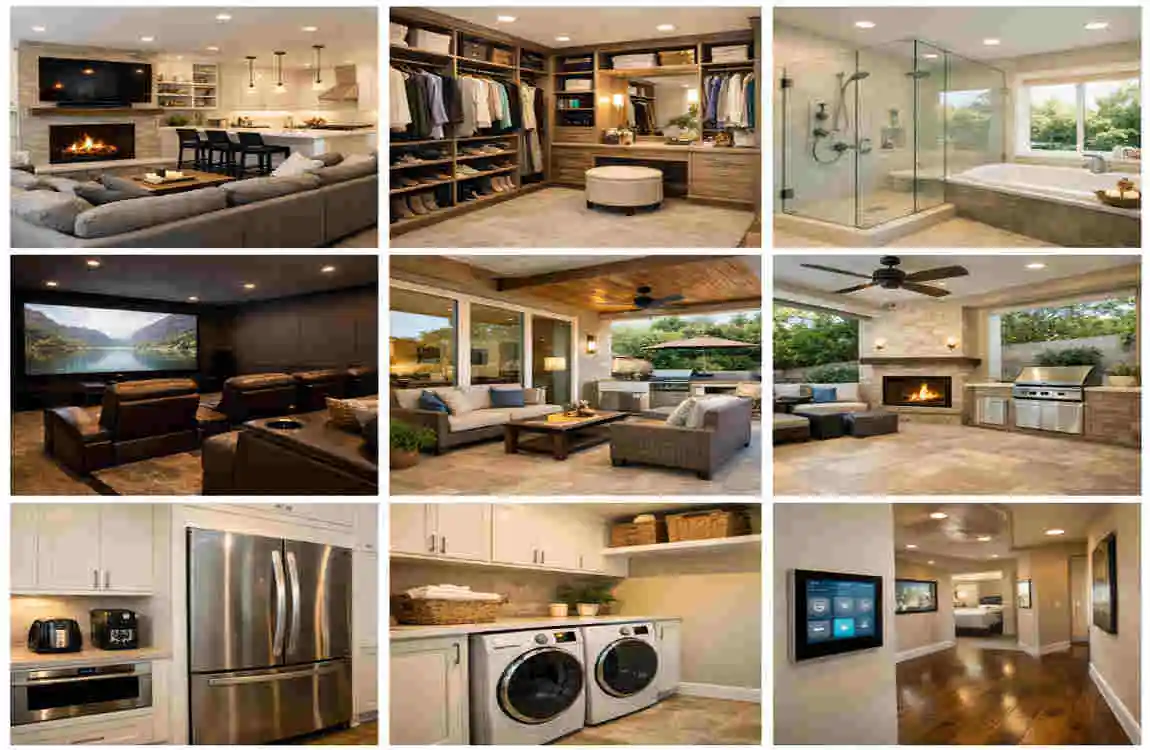
Heating, ventilation, and air conditioning
A home feels much better when the temperature stays comfortable. That is why heating, ventilation, and air conditioning are such important features.
Heating keeps the home warm in colder months. Air conditioning helps during hot weather. Ventilation moves air through the house so rooms don’t feel stuffy.
These systems affect comfort, air quality, and energy use. A well-maintained system also helps the home feel healthier overall.
Lighting and ceiling fans
Lighting changes how a room feels and how easy it is to use. Most homes need a mix of overhead lighting, task lighting, and natural light.
Ceiling fans can also help improve airflow and comfort. They are especially useful in bedrooms, living rooms, and covered outdoor spaces.
Natural light matters too. Large windows or well-placed openings can make a home feel brighter, larger, and more welcoming.
Storage solutions
Good storage keeps a home organised. That can include built-in cabinets, shelves, closets, drawers, and hidden storage furniture.
Storage is especially important in smaller homes because it helps reduce clutter. If everything has a place, rooms feel calmer and easier to use.
Built-in storage is often more efficient than loose furniture because it fits the home better and uses wall space wisely.
Bathroom features
Bathrooms need practical features that support daily routines. Common items include a water heater, exhaust fan, mirror, vanity, and storage space.
A water heater gives you hot water for showers and cleaning. An exhaust fan helps control moisture and reduces the chance of mould or mildew. Mirrors and vanities add both function and style.
Even small bathroom features can make a big difference in comfort.
Smart home features
Smart home technology is becoming more common in many homes. Some useful features include security cameras, smart locks, smart thermostats, and app-controlled lighting.
These features can add convenience and peace of mind. A smart thermostat can help manage heating and cooling. Smart locks can make entry easier and safer. Security cameras can help you monitor the property.
You do not need every smart feature, but the right ones can make daily life smoother.
How to Choose the Right Furniture and Appliances
Start with household needs.
The best choices begin with your real needs. Think about how many people live in the home, how often you cook, whether you work from home, and how much storage you need.
A large family may need more seating, more laundry capacity, and more storage. A single person or couple may want fewer items but still need quality and comfort.
Measure your space carefully.
A piece may look perfect in a store and still feel wrong at home if it is too large. Always measure the room before you buy furniture or appliances.
Also check doorways, hallways, and stairs. A large sofa or refrigerator may not fit through the path to the room even if the room itself is large enough.
Set a realistic budget.
Your budget should cover more than just the item price. You may also need to pay for delivery, installation, and maintenance.
It usually helps to buy the most important items first. That may mean starting with a bed, refrigerator, sofa, or washer before buying decor or extra features.
Compare quality and warranties.
A low price does not always mean a good deal. Look at the materials, brand reputation, warranty, and maintenance needs.
A strong warranty can give you more confidence. It also shows that the company stands behind its product.
Think about multifunctional pieces.
If you live in a small home or apartment, multifunctional furniture can save a lot of space. A sofa bed, storage ottoman, or dining table with extra uses can help the room stay flexible.
The same idea applies to appliances, too. Compact, combination, or stackable models often work well in smaller spaces.
Match the design style.
Furniture, appliances, and features look better when they feel connected. Try to keep colours, materials, and finishes in the same general style.
For example, a modern home may use clean lines and simple finishes. A warmer home may use wood, soft colours, and classic shapes. When the pieces work together, the home feels more complete.
Good things to check before buying
- Room size and layout
- Daily use and comfort
- Energy efficiency
- Maintenance needs
- Warranty and durability
Common Mistakes to Avoid When Furnishing a Home
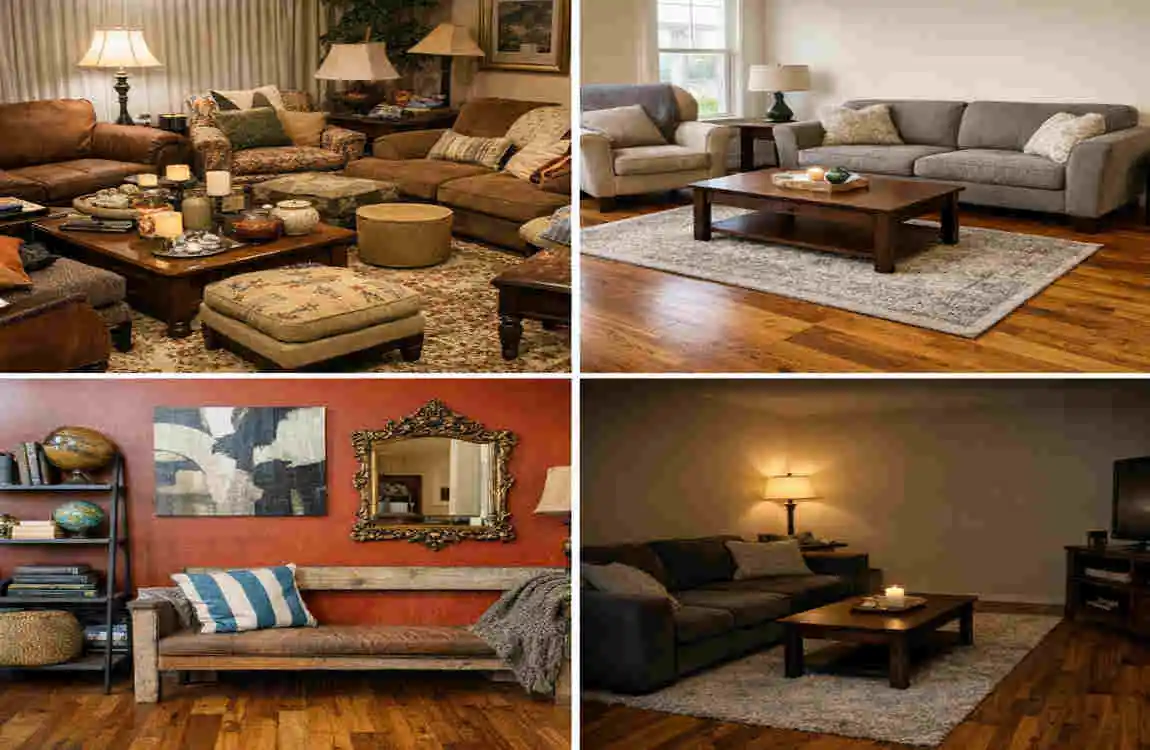
Buying too much at once
It is easy to fill a home with things quickly, especially when you are excited to move in. But too many furniture pieces can make rooms feel crowded.
Start with essentials and build slowly. That way, you can see what the space really needs.
Focusing only on looks
Style matters, but comfort and function matter just as much. A chair may look beautiful and still feel terrible to sit in.
A kitchen appliance may look modern and still be hard to use. Always balance appearance with practical value.
Forgetting measurements
Many people buy furniture or appliances without checking the room size, wall space, or doorway. That can lead to expensive returns or awkward layouts.
Always measure before you buy. It saves time and stress.
Ignoring energy use
Some appliances may cost less at first but use more electricity over time. That can raise your monthly bills.
Energy-efficient products often cost a little more upfront but may save money in the long run.
Overlooking storage and safety
Homes need enough storage to stay organised. They also need safe layouts that allow people to move around easily.
Do not block doors, windows, vents, or walkways with furniture. Leave space for comfort, safety, and future changes.
Frequently Asked Questions
What furniture should every home have?
Most homes should include a sofa or chairs for the living room, a bed for each bedroom, a dining table with chairs, and some storage furniture.
What appliances are necessary for a new home?
The most important appliances are a refrigerator, stove, oven, and laundry appliances. A microwave is also very useful in most homes.
What furniture, appliances, and features may be included?
A home may include living room, bedroom, dining room, and office furniture; kitchen and laundry appliances; lighting; heating and cooling systems; storage; bathroom features; and smart home tools.
How can I furnish my home on a limited budget?
Start with the most important items, compare prices, buy gradually, and look for durable pieces that last. Multifunctional furniture can also help save money and space.
Which appliances help save energy at home?
Energy-efficient refrigerators, washing machines, dryers, LED lights, smart thermostats, and efficient heating and cooling systems can help reduce energy use.
What should I consider when furnishing a small home?
Choose compact furniture, use vertical storage, pick multifunctional pieces, and buy appliances that fit the space without crowding it.
| Home Area | Essential Furniture | Recommended Appliances |
|---|---|---|
| Living Room | Sofa, coffee table, TV stand | Television, fan or air conditioner |
| Bedroom | Bed, mattress, wardrobe, bedside table | Fan or air conditioner |
| Kitchen | Dining table, chairs, cabinets | Refrigerator, stove, microwave, blender |
| Bathroom | Storage shelves, mirror, towel rack | Water heater, exhaust fan |
| Dining Room | Dining table, chairs, sideboard | Water dispenser (optional) |
| Laundry Area | Laundry baskets, storage shelves | Washing machine, dryer (optional) |
| Home Office | Desk, office chair, bookshelf | Computer, printer, desk lamp |
| Outdoor Area | Patio chairs, table, garden bench | Outdoor lights, grill (optional) |
