

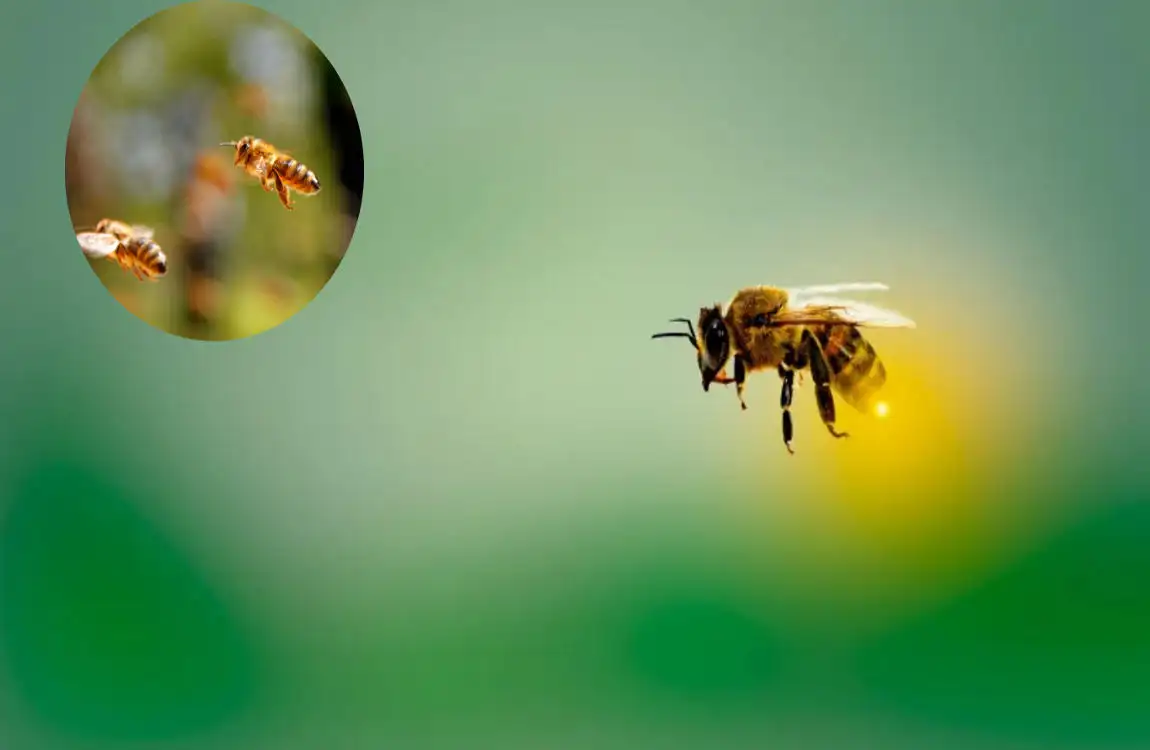
Finding a bee flying around your kitchen, bedroom, or living room can be surprising. If you have ever wondered, “why do bees fly into my house?”, the answer is usually connected to food, water, light, shelter, or an accidental opening.
One bee inside your home does not always mean there is a hive nearby. However, if you notice bees repeatedly entering through the same opening or hear buzzing inside a wall, you may need to investigate further.
Why Do Bees Fly Into My House?
Bees normally spend their time outdoors collecting nectar, pollen, and water. When one enters your clean home, it is often by accident or because they are attracted by something inside.
Bees Are Attracted to Light
Light can play an important role when bees get indoors. After entering through a door, window, or small opening, a bee may fly toward a bright window.
If the rest of the room is darker, the window can become the most obvious route back outside.
Try opening the window and turning off unnecessary indoor lights. Give the bee some time to find its way out.
Bees Are Searching for Food
Sweet smells can attract bees. Fruit, sugary drinks, exposed food, and spilled beverages may become interesting to a bee searching for food.
This is especially common around kitchens, patios, dining areas, and outdoor eating spaces.
Keep sweet foods covered and clean spills quickly to reduce the attraction.
Bees May Be Looking for Water
During hot or dry weather, bees need water. A leaking outdoor faucet, a pet water bowl, a damp area, or another accessible water source may attract them.
If bees frequently gather around a particular water source, consider whether it is near a door or window.
Your Home May Be Near a Hive
If bees repeatedly appear inside your house, a nearby colony could be responsible.
Bees may establish nests in protected areas such as wall cavities, attics, roof spaces, chimneys, and other sheltered locations.
Repeated activity deserves more attention than a single bee accidentally entering through an open door.
Bees Can Enter Through Small Openings
A surprisingly small gap can provide an entry point. Common locations include:
- Damaged window screens
- Gaps around doors
- Roof openings
- Soffits and vents
- Cracks around utility lines
- Gaps around windows and siding
Finding and repairing these openings can be one of the simplest ways to prevent future problems.
Common Signs Bees May Be Nesting in Your House
One bee flying inside does not necessarily indicate a colony. However, repeated activity can be a warning sign.
Increased Bee Activity
If you see bees every day or notice several bees appearing in the same room, look for an exterior entry point.
Pay particular attention if bees appear to be entering and leaving through one specific location.
Buzzing Sounds Inside Walls
Persistent buzzing from a wall, ceiling, attic, or other enclosed area may indicate bee activity inside the structure.
Do not immediately seal the opening if you suspect bees are living inside. Blocking the entrance without addressing the colony can create additional problems.
Honey or Wax Odors
An established colony may produce honeycomb and wax. Depending on the location and size of the colony, you may notice unusual odors or visible wax.
These signs are a good reason to arrange an inspection.
Bees Around the Same Exterior Area
Watch areas around rooflines, soffits, chimneys, vents, and wall openings.
If bees repeatedly gather around one location, there may be an accessible nesting space behind it.
Dead Bees Near Windows
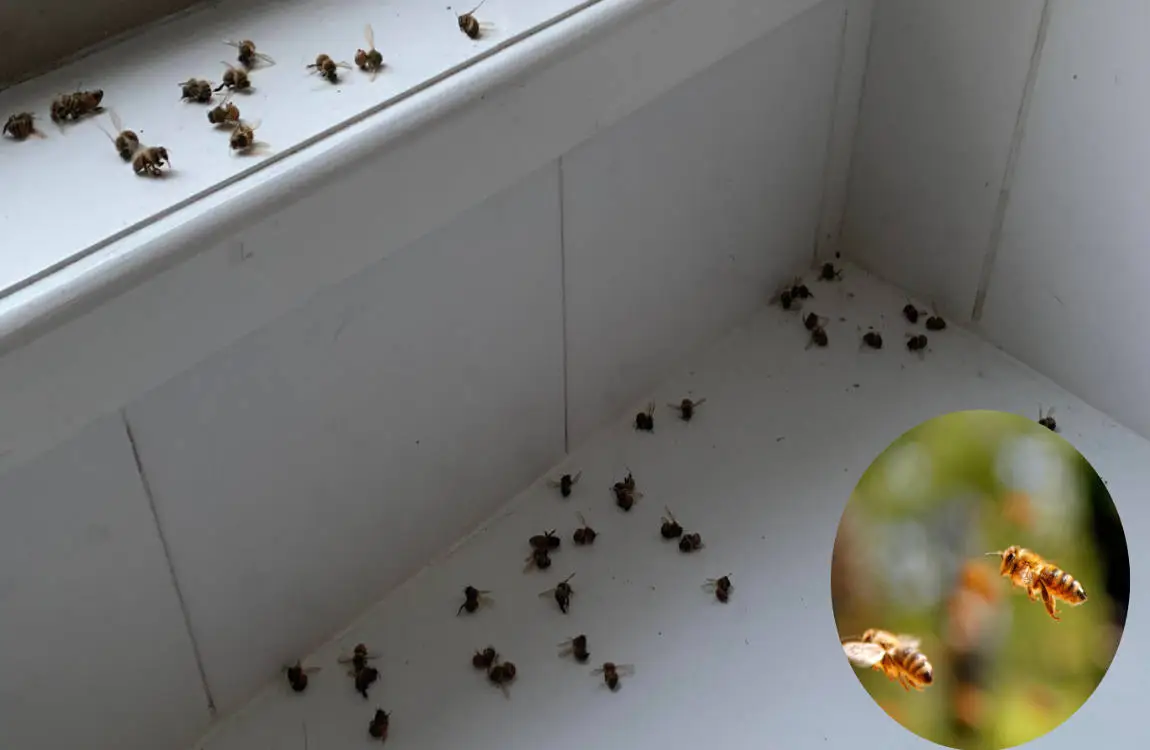
Finding an occasional dead bee is not unusual. But repeated dead bees around windows, light fixtures, or one particular room may indicate ongoing bee activity.
What Type of Bee Is Flying Around Your House?
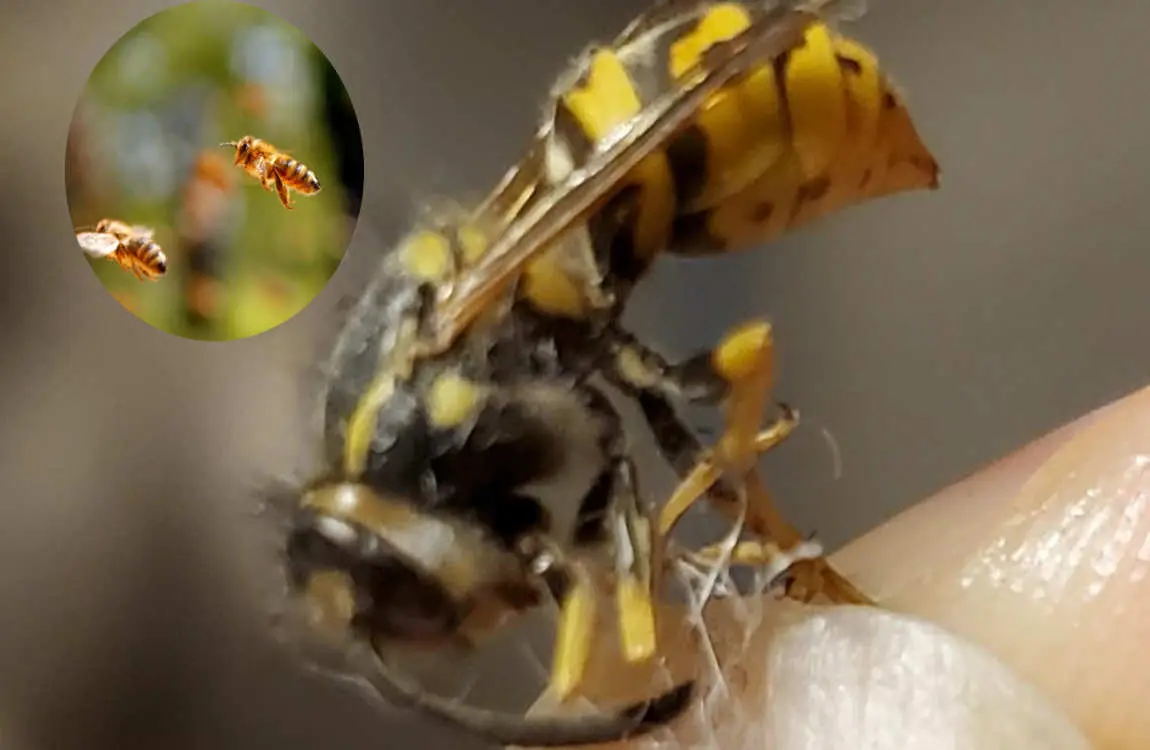
Not every flying insect that looks like a bee is actually a bee. Correct identification can help you understand the potential problem.
InsectCommon AppearanceTypical BehaviorPossible Concern
Honey bee Brown or golden body Social and active Hive nearby or inside
Bumble bee Large, fuzzy body Usually slower moving Nest nearby
Carpenter bee Dark, shiny abdomen Often around wood Possible wood damage
Yellowjacket Yellow and black Fast and defensive Nest may be nearby
Wasp Slender body Fast-moving Can sting repeatedly
Wasps and yellowjackets are not bees, even though people often confuse them.
If you are unsure which insect you are dealing with, observe it from a safe distance rather than trying to catch it by hand.
How Bees Get Inside Your House
Understanding how bees enter your clean home can help you stop the problem.
Open Doors and Windows
Open doors provide an easy entry, particularly in warm weather, when doors are frequently used.
Unscreened windows can also allow bees and other insects to enter.
Damaged Window Screens
A small hole or loose edge in a window screen may be enough for insects to get inside.
Inspect screens regularly and repair damaged sections before they become a bigger problem.
Gaps Around Doors
Worn weatherstripping can leave gaps around exterior doors.
Check the bottom and sides of doors for visible openings. Replacing damaged seals can improve both pest control and the home’s energy efficiency.
Roof and Attic Openings
Roof vents, soffits, damaged roofing materials, and attic openings can provide protected access.
If bees are repeatedly appearing in an upper room or attic, inspect the exterior areas around the roof carefully.
Wall and Utility Openings
Pipes, cables, vents, and other utilities often pass through exterior walls. Small gaps around these openings can become entry points.
What Should You Do When a Bee Gets Inside?
If you find one bee indoors, stay calm. Most situations can be handled without harming the insect.
Stay Calm and Give the Bee Space
Avoid swatting at the bee or making sudden movements.
Keep children and pets away from the area while you work out how to get the insect outside.
Open a Window or Exterior Door
If possible, open a nearby exterior window or door. Turn off unnecessary indoor lights and allow natural light to guide the bee toward the opening.
Give it time rather than chasing it around the room.
Close Off Other Rooms
Close doors to nearby rooms if practical. This can prevent the bee from moving deeper into the house.
Keeping the bee contained in one area makes removal easier.
Use a Safe Bee Removal Method
If the bee settles on a safe, accessible surface, you can carefully place a container over it.
Slide a piece of stiff paper or cardboard underneath the container, then carry it outside and release the bee in a safe location away from busy areas.
Only attempt this if you feel comfortable and the insect is calm.
Avoid Spraying or Crushing the Bee
Unnecessary insecticide use is not the best solution for a single bee indoors.
Whenever practical, safe removal is preferable to killing an individual bee. If there are many bees or a suspected colony, avoid handling the situation yourself.
How to Keep Bees From Flying Into Your House
Prevention is easier when you address the reasons bees are getting inside.
Repair Window and Door Screens
Check all screens for holes, tears, loose edges, or damaged frames.
A properly fitted screen can make a major difference, especially during warmer months.
Seal Cracks and Gaps
Inspect windows, doors, exterior walls, siding, roof edges, and utility openings.
Seal appropriate gaps after confirming that you are not blocking an active bee colony inside the structure.
Keep Food Covered
Store fruit and sweet foods properly. Clean countertops and tables after meals, particularly if sugary drinks or food have been spilled.
Also keep garbage containers securely closed.
Manage Outdoor Water Sources
Repair leaking faucets and avoid unnecessary standing water near entrances.
If pets have outdoor water bowls, consider placing them away from frequently used doors and windows.
Maintain the Yard
Trim vegetation around doors and windows where appropriate and keep outdoor areas clean.
If you notice bees repeatedly gathering in one location, observe the area from a safe distance rather than disturbing them.
Use Doors and Windows Carefully
Avoid leaving exterior doors open for long periods without screens.
If you enjoy fresh air, properly maintained screens can provide ventilation while limiting unwanted insects.
What If Bees Are Coming From Inside the Walls?
Bees repeatedly coming from a wall deserve attention.
An established colony inside a wall cavity can produce honey, wax, odors, and additional insect activity. Simply sealing the visible entrance may trap bees inside.
Over time, trapped honey and wax can create further problems, particularly if the colony is not properly removed.
If bees repeatedly enter and exit through the same wall, roof, attic, or chimney, a professional inspection is usually the safer choice.
The goal is not simply to block the bees. The underlying colony and entry point need to be addressed properly.
Should You Remove a Bee Hive Yourself?
When DIY Removal May Be Reasonable
Simple removal may be appropriate when:
- A single bee accidentally enters the clean home.
- There is no visible hive.
- The bee is calm and easily accessible.
- There is no repeated bee activity.
In these situations, opening a window or carefully using a container-and-card method may be enough.
When Professional Help Is Better
Professional assistance is a better choice when you notice a large number of bees, a visible hive, repeated entry through one opening, or buzzing inside walls or ceilings.
You should also avoid DIY removal if the insect appears aggressive, the species is unclear, or someone nearby has a serious bee-sting allergy.
Natural Ways to Reduce Bee Activity Around Your Home
Simple household practices can reduce your property’s attractiveness.
Keep food and drinks covered, clean up fallen fruit, secure garbage containers, repair water leaks, and maintain window screens.
You should also inspect obvious openings around doors, windows, roofs, and walls.
Avoid relying on household remedies to remove an established colony. If bees have created a nest inside your clean home, the underlying issue needs proper attention.
Frequently Asked Questions About Bees Entering Houses
Why do bees fly into my house?
Bees may enter because they are attracted to light, food, water, shelter, or a nearby nesting location. Sometimes they enter accidentally through an open door or window.
How do I get a bee out of my house safely?
Open an exterior window or door, turn off unnecessary indoor lights, and give the bee space to find the natural light.
If the bee settles somewhere accessible, you may carefully use a container and stiff piece of cardboard to move it outdoors.
Why do bees keep coming into my house?
Repeated bee activity may indicate an accessible food or water source, an opening in the home, or a nearby colony.
Look for repeated activity around the same window, wall, roof area, or exterior opening.
Can bees build a hive inside a house?
Yes. Some bees can establish colonies in protected spaces such as wall cavities, attics, roofs, and other enclosed areas.
If you suspect a hive inside your home, professional inspection is recommended.
How do I know if bees are living in my walls?
Repeated bees entering or leaving the same exterior opening, persistent buzzing, and increasing indoor bee activity can indicate a colony inside a wall.
Do not simply seal the opening before determining whether bees are inside.
Should I kill a bee that enters my house?
Usually, killing a single bee is unnecessary. If it can be safely guided outside, removal is preferable.
However, do not put yourself at risk trying to handle an insect that you cannot safely identify or control.
| Cause | Why Bees Enter | Simple Solution |
|---|---|---|
| Open Windows & Doors | Bees may accidentally fly inside through open entrances. | Use screens and keep doors closed when possible. |
| Flowers & Plants | Indoor flowers or nearby flowering plants can attract bees. | Move flowering plants away from windows and entrances. |
| Sweet Smells | Honey, sugary foods, and sweet drinks can attract bees. | Clean spills and keep food covered. |
| Bright Lights | Bees may be drawn toward light coming through windows. | Close curtains or reduce unnecessary lighting near windows. |
| Nesting Nearby | A hive in a wall, attic, roof, or chimney can cause repeated bee activity. | Contact a professional bee removal service for safe inspection. |
