

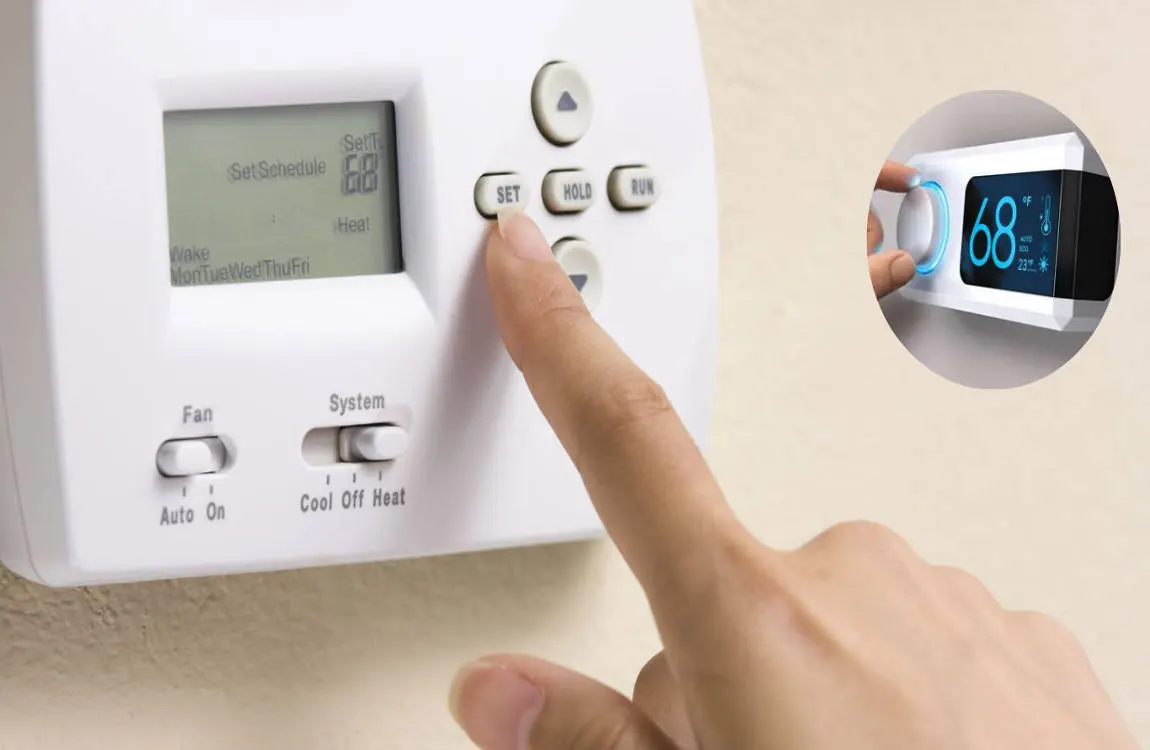
If you are wondering what your home temperature should be in winter, a good starting point is 68°F (20°C) while you are home and awake. You can lower it slightly at night or when nobody is home to stay comfortable while reducing heating costs. The U.S. Department of Energy recommends about 68°F during waking hours. It suggests lowering the setting by 7–10°F for at least eight hours a day to save energy.
Winter thermostat settings matter because they affect three things at once: your comfort, your monthly energy bill, and how efficiently your heating system works. A home that is too warm wastes energy, while a home that is too cold can feel unpleasant and may create problems for young children, older adults, or people with certain health needs.
Ideal Temperature During the Day
For most people, 68°F (20°C) is the best temperature for a house during the day in winter. It is warm enough for normal indoor activities when you wear regular winter clothing, such as a long-sleeve shirt, socks, and comfortable pants.
You may prefer a slightly warmer setting if you work from home, sit still for long periods, or feel cold easily. In that case, try 69–70°F instead of jumping straight to 74°F or higher. Small changes can noticeably affect energy use.
Your comfort also depends on activity. If you are cleaning, cooking, or moving around the house, you may feel comfortable at a lower temperature. If you are watching television or working at a desk, you may want the room a little warmer.
Best Temperature for Sleeping
Many people sleep better in a cooler bedroom. A practical nighttime range is 60–67°F (16–19°C), and many adults find the lower-to-middle part of that range most comfortable home.
A cooler room helps your body maintain its natural drop in temperature during sleep. You can stay comfortable with a warm blanket, duvet, or extra layer instead of heating the entire house all night.
That said, do not force yourself to sleep in a room that feels uncomfortably cold. Babies, older adults, and people with certain medical conditions may need a warmer room. Comfort and safety should always come before maximum savings.
Temperature Settings When You Leave Home
When you leave for work, school, or errands, lower the thermostat by about 7–10°F from your normal setting. If you normally keep the house at 68°F, setting it to 60–62°F while you are away is a sensible starting point.
For short trips, such as a two-hour outing, a small setback may not save much energy. For a full workday or longer absence, the savings can be more meaningful. The Department of Energy estimates that lowering the thermostat 7–10°F for eight hours a day can save up to 10% a year on heating and cooling costs.
Be careful if your home has vulnerable people, pets, sensitive plants, or plumbing that may freeze. In very cold weather, do not set the temperature so low that pipes, especially those in exterior walls, crawl spaces, or unheated areas, are at risk.
Factors That Affect Your Ideal Winter House Temperature
The right setting depends on more than the thermostat setting. Your home’s condition, local climate, and family needs all matter.
Outdoor Weather and Local Climate
In mild winter weather, your heating system doesn’t have to work as hard. In freezing temperatures, heat escapes faster, so your furnace or heat pump runs more often.
During a cold spell, you may need to keep the indoor temperature slightly higher to feel comfortable. You may also want to avoid deep thermostat setbacks if outdoor temperatures are extremely low, especially if your home has poor insulation or older windows.
Insulation, Windows, and Air Leaks
Insulation acts like a blanket for your home. It slows heat loss through the attic, walls, floors, and roof. A well-insulated home holds warmth longer, so it can stay comfortable at a lower thermostat setting.
Drafty windows and doors do the opposite. Cold air enters, warm air escapes, and your heating system runs more often. Common trouble spots include window frames, exterior doors, electrical outlets on outside walls, attic hatches, and gaps around pipes.
If your home feels cold even when the thermostat reads 68°F, air leaks may be the real problem. Sealing drafts and improving insulation can make the same temperature feel warmer.
Household Needs and Personal Comfort
Every household is different. Some people feel comfortable at 66°F, while others need 70°F or more to feel relaxed.
Consider these household factors:
- Young children and older adults may need warmer indoor temperatures because they can be more sensitive to cold.
- People with health conditions may have different comfort and safety needs, so follow medical advice when it applies.
- Humidity levels affect how warm a room feels; dry winter air can make a home feel cooler than the thermostat reading suggests.
- Clothing and bedding matter too. Warm socks, layered clothing, rugs, and heavier bedding can make a lower setting feel comfortable.
Home Size and Heating System
Large homes, homes with high ceilings, and homes with open floor plans may take longer to heat. Rooms far from the thermostat may also feel cooler than the main living area.
Your heating system also matters. A furnace, boiler, heat pump, baseboard heater, or radiant floor system each responds differently to thermostat changes. Heat pumps, for example, work best with steady, moderate adjustments rather than extreme temperature swings.
If some rooms always feel cold, the issue may be uneven airflow, blocked vents, poor insulation, or an undersized heating system—not simply the thermostat setting.
How to Save Energy With Smart Winter Thermostat Settings
You do not need to keep your home warm all day to stay comfortable. Heat your home when you need it and reduce heating when you don’t.
Use a Programmable or Smart Thermostat
A programmable thermostat lets you create a schedule. For example, you can set it to 68°F in the morning, lower it during work hours, warm it again before you return, and reduce it overnight.
A smart thermostat offers even more control. Many models let you change the home temperature from your phone, create custom schedules, monitor energy use, and adjust settings based on your routine. This makes it easier to maintain the ideal winter thermostat setting without constantly thinking about it.
Lower the Temperature When Appropriate
The simplest way to save energy is to lower the thermostat while you sleep or are away. A 7–10°F setback for eight hours can cut yearly heating and cooling costs by up to 10%, depending on your home, climate, and heating system.
You do not need to make extreme changes. Start with a modest reduction, see how your home feels, and adjust gradually. If you wake up cold or your pipes are at risk, raise the setting slightly.
Improve Home Heating Efficiency
Thermostat settings help, but they cannot fix a home that loses heat quickly. For better results, combine smart settings with basic efficiency improvements.
- Seal gaps around doors, windows, and exterior penetrations.
- Add or improve attic insulation if your home loses heat through the roof.
- Use heavy curtains at night and open them during sunny daytime hours.
- Replace dirty furnace filters and schedule regular heating maintenance.
- Keep vents and radiators clear so warm air can circulate properly.
These steps reduce heat loss, which means your home stays warmer without forcing the thermostat higher.
Avoid Common Thermostat Mistakes
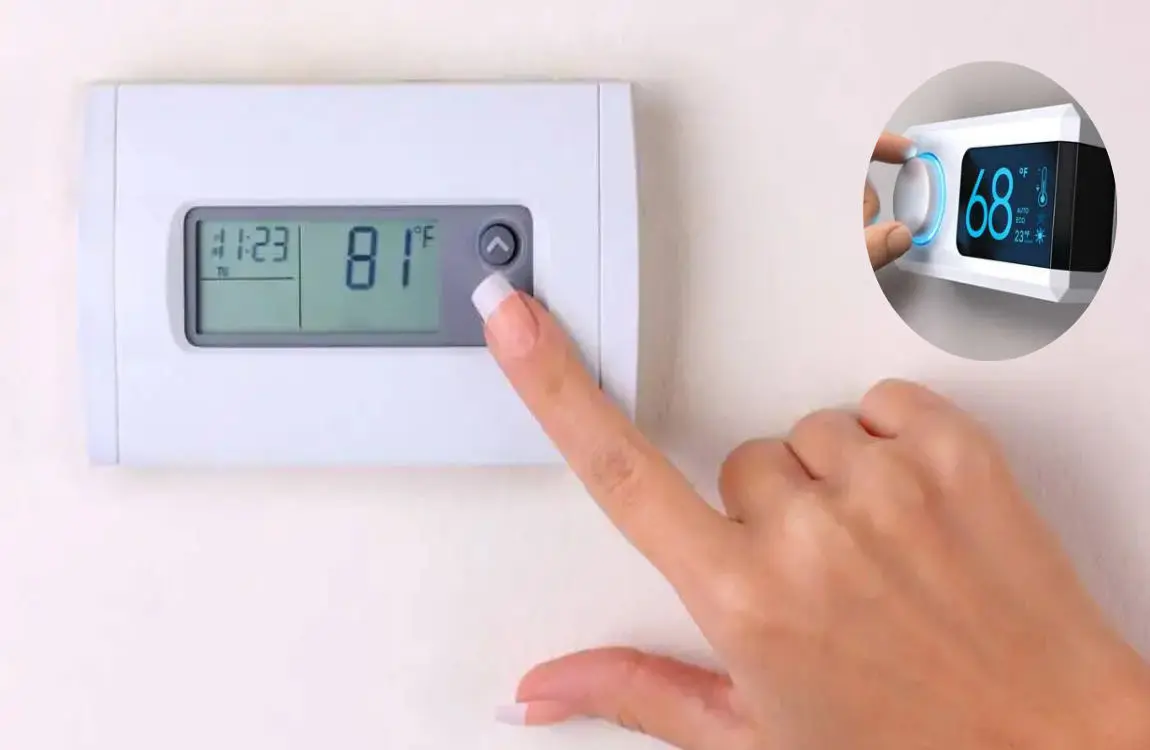
Many homeowners accidentally waste energy because of simple thermostat habits. Avoiding these mistakes can improve comfort and lower bills.
Setting the Thermostat Very High
Turning the thermostat to 80°F does not heat your home faster. Most heating systems produce heat at the same rate regardless of the set temperature. A very high setting only makes the system run longer, which increases energy use.
Set the thermostat to the temperature you actually want. If that is 68°F, leave it there and let the system do its job.
Changing the Temperature Too Often
Frequent small adjustments can make your heating system work harder than necessary. It is usually better to follow a simple schedule than to raise and lower the temperature every hour.
Placing the Thermostat in the Wrong Spot
A thermostat near a drafty window, direct sunlight, a kitchen, or a heat source can give inaccurate readings. That can cause your heating system to turn on or off at the wrong times.
Ideally, place the thermostat on an interior wall away from drafts, sunlight, lamps, and appliances.
FAQ Common Winter Thermostat Questions
What Temperature Should a House Be in Winter When You Are Home?
A good answer is 68°F (20°C) while you are awake and at home. It is a practical balance between comfort and energy savings for many households.
If that feels too cool, increase it by one degree at a time. If it feels warm, try 67°F or 66°F and see whether you remain comfortable.
Is 65°F Too Cold for a House in Winter?
Not necessarily. For healthy adults wearing warm indoor clothing, 65°F can feel fine, especially during the day when they are active. However, it may feel too cold for babies, older adults, people with certain health conditions, or anyone sitting still for long periods.
Comfort, humidity, clothing, and outdoor weather all matter. If your home feels cold at 65°F, address drafts and insulation before raising the thermostat significantly.
Should You Turn the Heat Down at Night?
For many homes, yes. Lowering the temperature at night can save energy and may improve sleep. A range of 60–67°F works well for many adults.
Use warm bedding, and avoid making the room so cold that you wake up uncomfortable. If someone in the home needs a warmer room, prioritise them.
What Temperature Should You Keep Your House at While on Vacation?
For a short winter vacation, you can keep many homes around 55–60°F, depending on the climate, insulation, and plumbing layout. The goal is to save energy without allowing indoor temperatures to drop low enough to risk frozen pipes.
| Situation | Recommended Thermostat Setting |
|---|---|
| At home during the day | 68°F (20°C) |
| Sleeping at night | 60–67°F (16–19°C) |
| Away from home | 55–60°F (13–16°C), if safe |
| Energy-saving setting | Around 68°F (20°C) when home |
| Homes with babies or older adults | Choose a comfortable, health-appropriate temperature |
| Preventing frozen pipes | Keep the home warm enough for local conditions and pipe protection |
| Lowering heating costs | Reduce the temperature when sleeping or away |
| Smart thermostat use | Schedule automatic temperature adjustments |
