

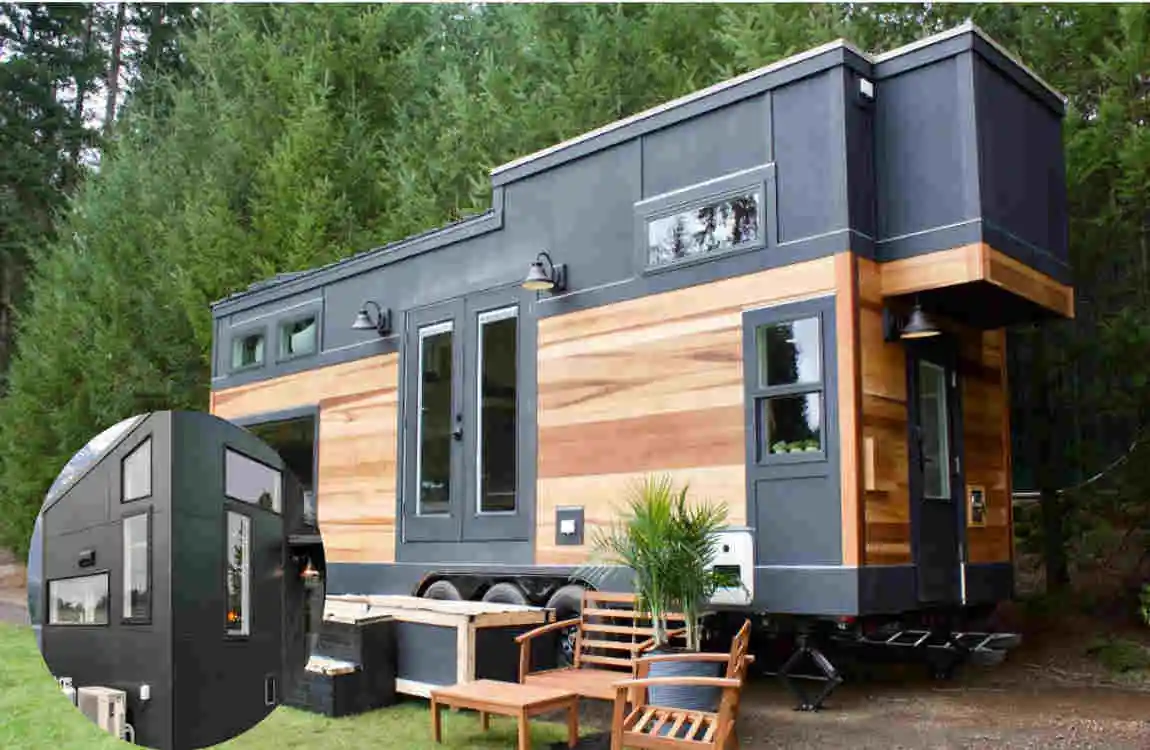
Tiny houses have become an interesting housing option for people who want to simplify their lives, reduce housing expenses, and make better use of limited space. Instead of maintaining a large home with rooms that may rarely be used, tiny-home owners often focus on having only the space and belongings they truly need.
If you are wondering why have a tiny house, the answer can be different for everyone. Some people want lower living costs, while others like the minimalist lifestyle, reduced maintenance, mobility, or a smaller environmental footprint.
A tiny house is not simply a smaller version of a traditional home. It requires a different approach to storage, furniture, organization, and everyday living.
What Is a Tiny House?
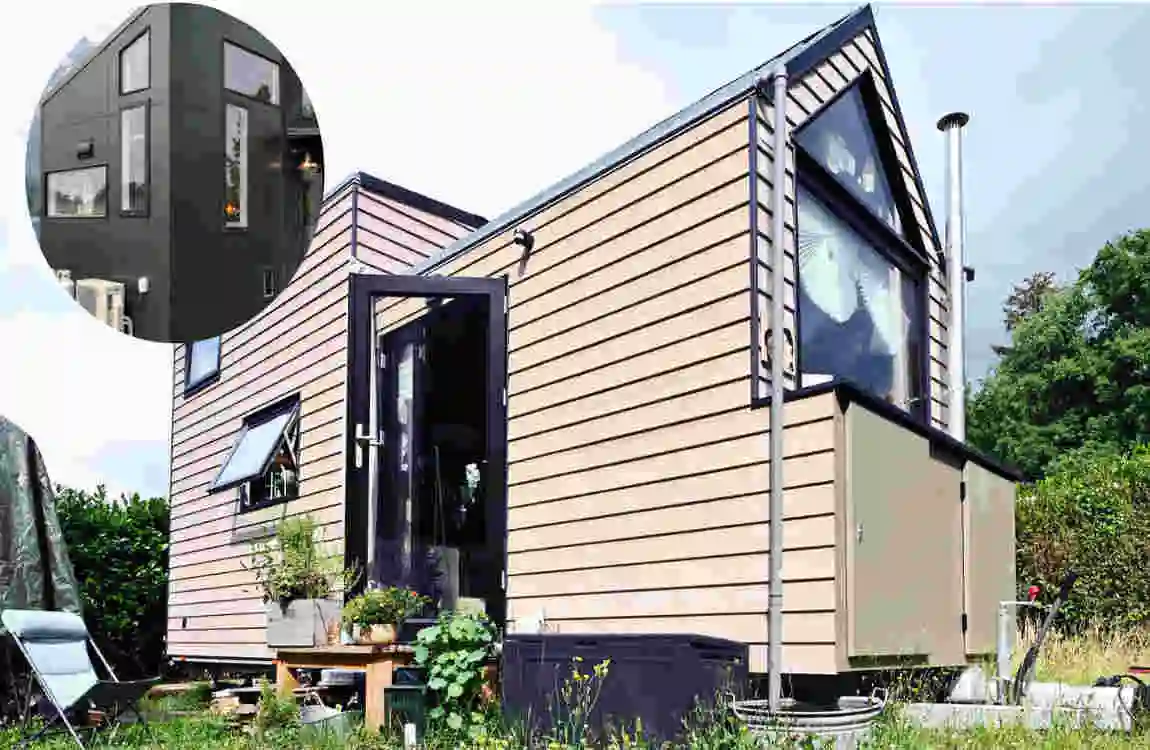
Understanding the Tiny House Concept
A tiny house is a compact home designed to provide essential living spaces within a much smaller footprint than a conventional house.
The exact size of a tiny home can vary. What makes it “tiny” is generally the emphasis on efficient use of space and simplified living, rather than a single universal size.
Tiny homes often use clever design features to make limited space practical. A small kitchen might include compact appliances and vertical cabinets. A sleeping area may use a loft, while a sofa could include hidden storage.
Tiny House vs. Traditional House
FeatureTiny HouseTraditional House
Size Compact Usually much larger
Cost Often lower Usually higher
Maintenance Easier More demanding
Energy use Generally lower Often higher
Storage Limited and planned More spacious
Lifestyle Minimalist More conventional
A traditional house gives you more room for furniture, storage, guests, hobbies, and separate rooms. A tiny house focuses more heavily on efficiency, simplicity, and intentional use of space.
Financial Considerations Before Buying a Tiny House
Before deciding that a tiny home is cheaper, look beyond the advertised purchase price.
What Does a Tiny House Cost?
Tiny-home prices can vary considerably depending on construction quality, size, design, materials, and location.
You may encounter several broad options:
DIY construction can provide greater control over materials and design, but it requires time, knowledge, tools, and careful planning.
Prefabricated tiny homes can simplify construction because much of the building process happens before delivery.
Professionally built custom homes can provide more specialized layouts and finishes but may cost considerably more.
The right option depends on your skills, budget, timeline, and desired level of customization.
Is a Tiny House Actually Cheaper?
A tiny house can be cheaper than a traditional home, but it is not automatically inexpensive.
For example, a low-cost tiny house placed on expensive land with difficult utility connections may not provide the savings you expected.
Before buying, calculate the complete cost of the home, land, setup, utilities, transportation, taxes, insurance, and ongoing maintenance.
Potential Drawbacks of Tiny House Living
Tiny homes can offer many advantages, but they are not ideal for everyone.
Limited Space
The biggest challenge is obvious: there is less space.
You may have limited storage for clothing, equipment, furniture, tools, seasonal items, and household supplies.
Good organization becomes essential.
Less Privacy
Tiny homes often have fewer separate rooms. Couples or families may share most of their living space throughout the day.
This can become challenging when someone wants to work, sleep, relax, or spend time alone.
Zoning and Building Regulations
Local rules can determine whether a tiny home can legally be built, placed, parked, or occupied.
Some areas may have specific requirements related to foundations, minimum dwelling sizes, utilities, sanitation, parking, or land use.
Always research local requirements before purchasing land or a tiny home.
Financing and Insurance Challenges
Some tiny homes may not fit traditional mortgage or insurance categories.
Financing can depend on whether the home is permanently attached to land, classified as a movable structure, or treated as another type of property.
Insurance availability can also vary.
Lifestyle Adjustment
Moving from a large home into a tiny house requires a major change in habits.
You may need to buy fewer things, organize more carefully, and think about every piece of furniture you bring inside.
For some people, this feels liberating. For others, it can become frustrating.
Who Should Consider a Tiny House?
Tiny homes can be a good match for people who value simplicity and efficient use of resources.
Tiny Houses May Be Suitable For
A tiny house may suit:
- Minimalists
- First-time homeowners
- People seeking lower housing expenses
- Couples who enjoy simple living
- Remote workers
- Travelers
- People interested in sustainable living
- Owners wanting a smaller secondary residence
A person who values experiences over possessions may particularly enjoy the lifestyle.
Who May Not Enjoy Tiny House Living?
Tiny living may be difficult for large families or people who need significant storage.
It can also be challenging if you frequently entertain large groups or strongly prefer separate rooms for different activities.
Think honestly about your daily habits. A beautiful tiny house will not feel comfortable if its layout conflicts with the way you actually live.
How to Decide If a Tiny House Is Right for You
Before making a decision, ask yourself several practical questions.
- How much space do you actually need?
- Where will the house be located?
- What is your complete budget?
- Is the tiny house legal in your desired location?
- How much storage do you need?
- Will you need a permanent foundation or mobility?
- How many people will live there?
- What utilities will the home require?
These questions can reveal problems before you spend money.
Create a Tiny House Budget
Do not create a budget based only on the advertised home price.
Include land, transportation, site preparation, permits, utility connections, foundation work, appliances, furnishings, insurance, and ongoing expenses.
A complete budget gives you a much more realistic picture of affordability.
Tips for Making Tiny House Living More Comfortable
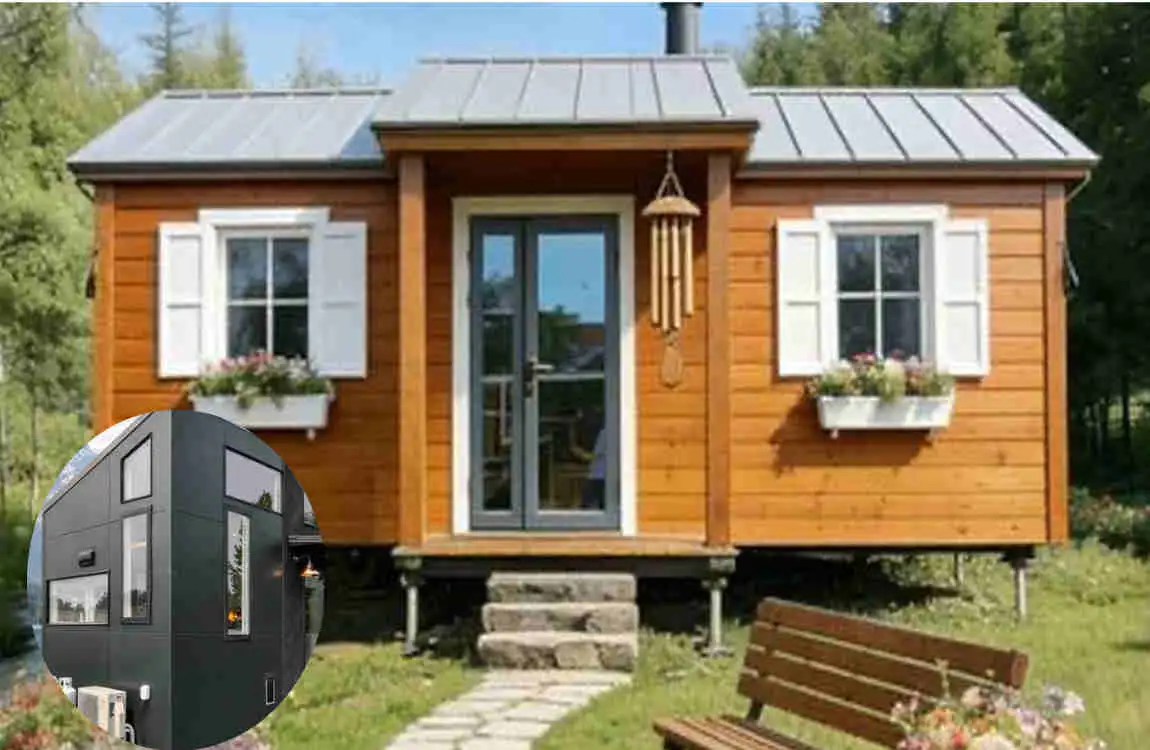
A well-designed tiny home can feel much larger than its actual footprint.
Use Multifunctional Furniture
Choose furniture that performs multiple jobs.
Storage benches, sofa beds, foldable tables, built-in cabinets, and beds with drawers can help you make better use of limited space.
Maximize Vertical Space
When floor space is limited, use the walls.
Tall cabinets, wall-mounted shelves, hooks, overhead storage, and high cupboards can keep possessions organized without taking valuable floor area.
Keep the Interior Organized
Give every important item a designated place.
Avoid buying things simply because you have a little empty storage space. In a tiny home, clutter can build up quickly.
Choose Light and Practical Design Elements
Light colors, appropriate lighting, durable finishes, and an open layout can make the home feel more spacious.
Choose materials that are attractive but also practical for everyday use.
Frequently Asked Questions
Why have a tiny house instead of a regular house?
A tiny house can offer lower housing costs, reduced maintenance, lower energy use, more efficient use of space, and a simpler lifestyle.
It can also suit people who prefer to spend money on experiences rather than on maintaining a large property.
Is having a tiny house cheaper?
It can be cheaper, but there is no guarantee.
Land, utilities, permits, transportation, site preparation, construction, and ongoing expenses all affect the final cost.
What are the biggest benefits of a tiny house?
The biggest advantages include lower expenses, easier maintenance, efficient use of space, potentially lower energy consumption, and minimalist living.
What are the disadvantages of a tiny house?
Common disadvantages include limited storage, less privacy, smaller living areas, zoning restrictions, financing challenges, and the need for careful organization.
Can a family live comfortably in a tiny house?
Some families can, particularly when the home has an efficient layout, and everyone is comfortable sharing space.
However, larger families may find the limited storage and lack of private rooms challenging.
| Benefit | How It Helps |
|---|---|
| Lower Cost | Tiny houses generally require less money to build, furnish, and maintain. |
| Less Maintenance | A smaller space means fewer areas to clean, repair, and manage. |
| Energy Efficiency | Less space usually requires less heating, cooling, and electricity. |
| Minimalist Living | Encourages you to keep only useful and meaningful belongings. |
| Lower Environmental Impact | Smaller homes typically use fewer building materials and resources. |
| Flexible Lifestyle | Some tiny houses can be moved, giving owners greater location flexibility. |
| Smart Use of Space | Built-in storage and multifunctional furniture make every area more useful. |
| Financial Freedom | Lower housing expenses can leave more money for savings, travel, or other goals. |
