

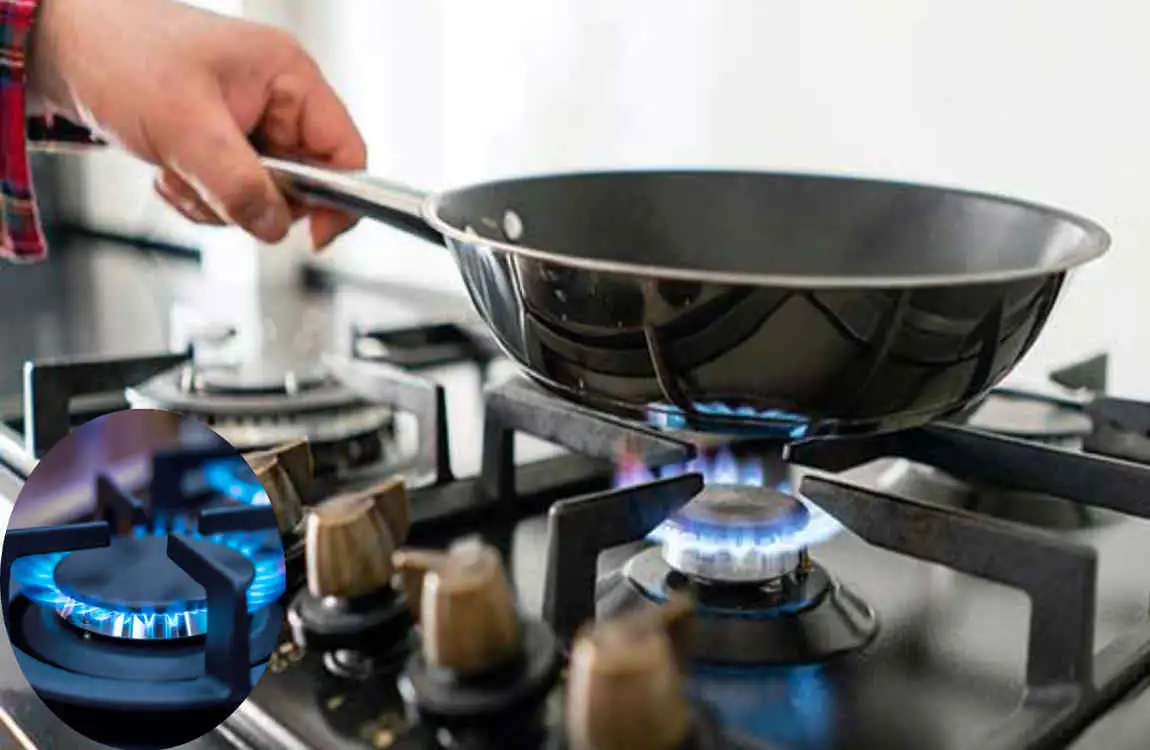
Understanding what gas is used in a modren house is essential for every homeowner. Gas appliances play a huge role in making our homes comfortable, efficient, and even cost-effective. Whether it’s warming your living room on a chilly night or preparing your favourite meal, gas-powered devices have been trusted for decades.
What is Residential Gas? (Natural Gas vs. Propane)
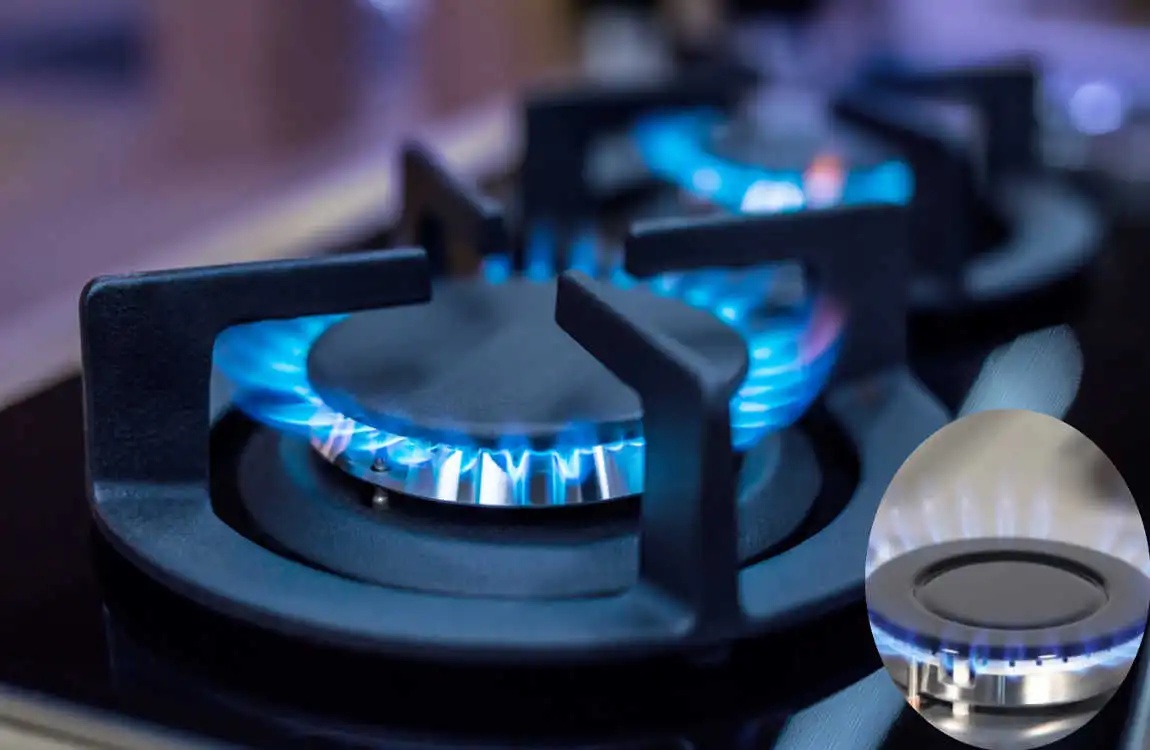
When discussing gas in homes, the two primary types are natural gas and propane.
- Natural Gas is delivered to homes through underground pipelines and is primarily composed of methane. It’s widely used in urban and suburban areas.
- Propane is a liquid gas stored in tanks and is often used in rural locations where pipelines aren’t available.
Both gases are highly efficient for home use, but the choice depends on your location and availability.
Why Gas is Preferred in Many Household Appliances
Gas appliances often outperform electric ones in several ways:
- Faster heating: Gas heats up instantly.
- Lower operating costs: Gas is typically cheaper than electricity.
- Reliability: Gas appliances can continue to function during power outages, which is a significant advantage for many.
Safety Basics of Using Gas in a House
Using gas safely is a top priority. Proper installation, regular inspections, and good ventilation are critical to prevent leaks and hazards. Always follow the manufacturer’s guidelines and consult professionals for maintenance.
Common Questions About Gas Appliances
You might wonder, “What uses gas in a house besides heating and cooking?” We’ll cover this and much more throughout this article.
Heating Appliances Using Gas
Heating is one of the most common uses of gas in homes.
Gas Furnaces: How They Work and Advantages
Gas furnaces burn natural gas or propane to produce heat. A blower fan circulates warm air through your home’s ductwork.
Advantages:
- Quick and efficient heating.
- Lower energy bills compared to electric heaters.
- It has a long lifespan when appropriately maintained.
Gas Boilers: Purpose and Typical Uses in Home Heating
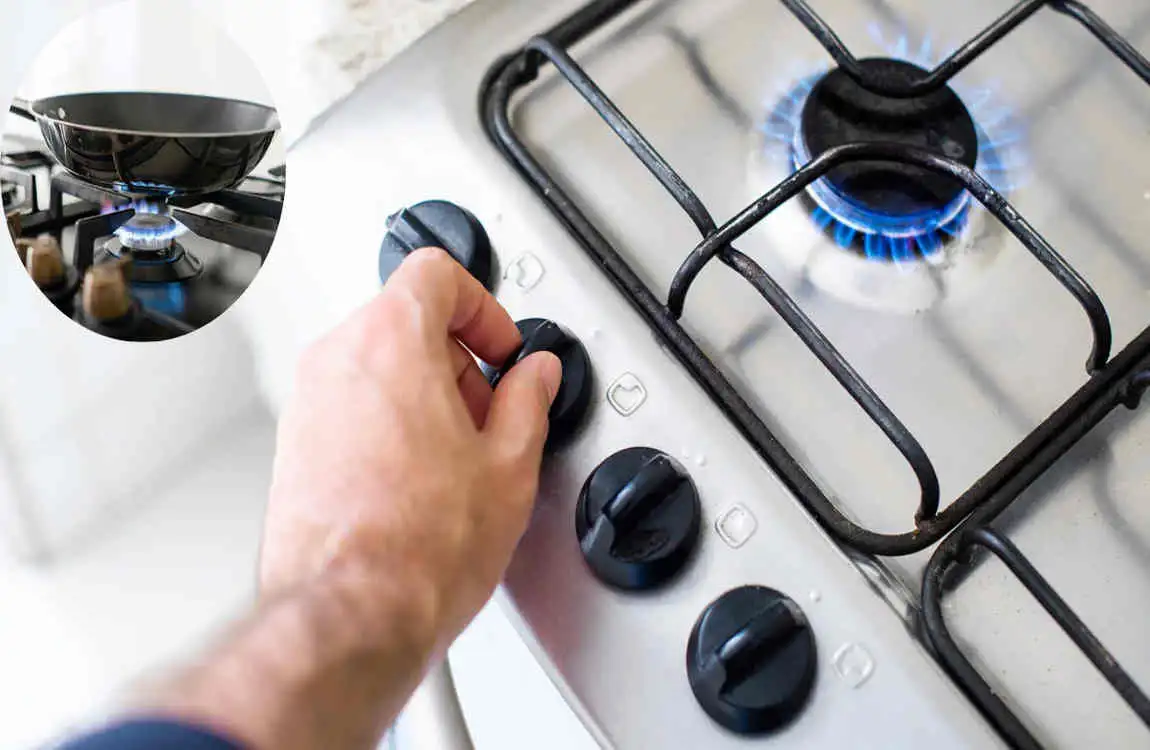
Gas boilers heat water that flows through radiators or underfloor heating systems. This method provides even, cosy warmth.
They are great for:
- Homes with radiator systems.
- Those who prefer water-based heating over forced air.
Gas Fireplaces: Benefits and Types
Gas fireplaces offer warmth and ambience without the mess of wood-burning fireplaces. They come in two main types:
- Ventless (vent-free): More efficient but requires careful ventilation.
- Vented: Mimic traditional fireplaces with a chimney or flue.
Gas Water Heaters: Efficiency and Common Types
Water heaters using gas heat water faster and typically cost less to operate than electric versions.
Common types include:
- Tank water heaters: Store hot water ready for use.
- Tankless (on-demand) water heaters: Heat water only when needed, resulting in energy savings.
Summary of Heating Appliances Using Gas
Appliance Purpose Key Benefit Typical Fuel
Gas Furnace Heating air Fast, efficient heat Natural gas/propane
Gas Boiler Heating water Even heat distribution Natural gas/propane
Gas Fireplace Heating + ambiance house Cleaning, convenient Natural gas/propane
Gas Water Heater Hot water supply Cost-effective Natural gas/propane
Cooking Appliances That Use Gas
Cooking with gas is a favourite for many chefs and home cooks alike.
Gas Stoves and Ovens: Popularity and Pros Over Electric
Gas stoves heat instantly and allow precise temperature control. Many cooks prefer gas for:
- Faster cooking times.
- Even heat distribution.
- Visual flame control for better cooking accuracy.
Gas Cooktops: Features and Benefits
Cooktops powered by gas offer easy-to-clean surfaces and flexible burner sizes, perfect for pots and pans of any size.
Gas Grills: Outdoor Cooking Advantages
Nothing beats the flavour of food cooked on a gas grill. It heats quickly and offers better temperature control than charcoal.
Safety Considerations for Gas Cooking Appliances
Ensure your kitchen is well-ventilated and regularly inspect for leaks or faulty connections. Turn off the gas supply when not in use.
Gas-Powered Laundry Appliances
Laundry is another area where gas can be beneficial.
Gas Dryers: How They Differ from Electric Dryers
Gas dryers use gas to create heat, while electric dryers use electric coils. Gas dryers typically dry clothes faster and use less energy.
Benefits of Gas Dryers in Energy Savings and Drying Performance
By heating up quickly, gas dryers save on energy bills and reduce drying time, which also helps clothes last longer.
Common Brands and Types of Gas Dryers
Popular manufacturers like Whirlpool, LG, and Samsung offer reliable gas dryer models. Look for Energy Star ratings for best efficiency.
Other Gas-Powered Household Appliances
Gas isn’t limited to heating, cooking, or laundry. Here are some other uses.
Gas-Powered Refrigerators
Less common today, but still used in off-grid or remote areas, gas refrigerators run without electricity by using a flame to cool.
Gas Pool Heaters and Spas
Gas heaters quickly warm pools and hot tubs, extending your swimming season.
Gas Water Softeners and Other Niche Appliances
Some water softeners and speciality devices use gas for regeneration or heating, catering to specific household needs.
Emerging Technologies and Innovations Using Gas at Home
Innovations include hybrid systems that combine gas and electric, smart gas appliances with Wi-Fi control, and eco-friendly options that reduce emissions.
Benefits of Using Gas Appliances in the Home
Cost Savings vs. Electric Appliances
Gas generally costs less per unit of energy than electricity. Over time, this translates to lower utility bills.
Efficiency and Faster Heat Generation
Gas appliances provide heat instantly, reducing wait times and energy waste.
Environmental Impact and Carbon Footprint Considerations
Natural gas burns cleaner than other fossil fuels, producing fewer pollutants. Still, consider local energy sources and your house design footprint.
Reliability During Power Outages
Gas appliances don’t rely on electricity, making them invaluable during power outages.
Safety Tips and Maintenance for Gas Appliances
Safety should always come first.
Importance of Regular Inspections and Servicing
Schedule annual check-ups by certified technicians to ensure everything runs smoothly.
How to Detect Gas Leaks and Safety Protocols
Signs of leaks include a rotten egg smell, hissing noises, or dead plants near gas lines. If you suspect a leak:
- Shut off the gas immediately.
- Ventilate the area.
- Call emergency services or a professional.
Proper Ventilation Requirements
Good airflow prevents harmful buildup of gases like carbon monoxide.
When to Call a Professional
If you smell gas, notice irregular appliance behaviour, or need help with installation, always reach out to licensed experts.
Choosing the Right Gas Appliances for Your Home
Factors to Consider: Size, Household Needs, Budget, Energy Source Availability
Consider your home’s size, cooking or heating needs, and your budget.
Comparing Gas Appliances with Electric Alternatives
Electric appliances may have lower upfront costs but higher operating expenses. Gas tends to be cheaper long-term.
How to Assess if Your Home’s Plumbing and Wiring Support Gas Appliances
Verify if your house features has existing gas lines and the necessary permits. Sometimes upgrades are required.
Tips for Installation and Permits
Always hire licensed professionals. Ensure permits and inspections comply with local codes for safety and legality.
