


Imagine you’re scrolling through real estate listings, dreaming of your next home, when you spot a house marked as “under contract.” What does that even mean? In the world of real estate, transactions move through several stages, from listing a property to closing the deal. Each step has its own lingo and rules, and getting them wrong can lead to frustration or missed opportunities.
Understanding the house’s under-contract status is crucial, whether you’re buying or selling. It signals that a deal is in progress but not yet final. If you’re a buyer, it might dash your hopes for that perfect place. As a seller, it could mean you’re one step closer to cashing in. So, what does it mean when a house is under contract? It’s more than just a label—it’s a key phase in the home-buying process where commitments are made, but things can still change.
Understanding the Term “Under Contract” in Real Estate
When you hear “under contract,” it might sound final, but it’s not quite there yet. Let’s unpack this term step by step so you can grasp its role in the housing market.
Definition of “Under Contract” in the Housing Market
Simply put, what does it mean when a house is under contract? It means that a buyer and a seller have agreed on the terms and signed a purchase agreement. The house is off the market for new offers, but the deal isn’t done. Think of it as an engagement—promises are made, but the wedding (closing) hasn’t happened.
This status protects both sides. Buyers get time to inspect and finance, while sellers know someone is committed to the deal. In real estate listings, you’ll often see this noted to ward off other interested parties.
Difference Between “Under Contract,” “Pending,” and “Sold”
Not all statuses are the same, and mixing them up can confuse you. “Under contract” is the early stage after signing, during which conditions like inspections may still apply. “Pending” usually means those conditions are cleared, and closing is imminent—it’s like the home stretch.
“Sold,” on the other hand, is the finish line. The deal closes, money changes hands, and ownership transfers. Knowing these differences helps you gauge a property’s availability. For example, a “pending home sale” might still fall through, but it’s rarer than with “under contract.”
Why This Status Matters for Buyers and Sellers
For buyers, a house under contract means you can’t swoop in with an offer—unless it falls through. It teaches patience during the home-buyinghome-buying process. Sellers benefit by focusing on one buyer, reducing showings and stress.
But why should you care? This status affects market dynamics. In a hot market, it signals high demand. As a buyer, spotting patterns in under-contract homes can guide your search. Sellers, it helps you price right. Have you ever wondered how this impacts your own deals? Let’s explore the lead-up next.
The Process Leading to a House Being Under Contract
Getting to “under contract” doesn’t happen overnight. It’s a journey with clear steps. Let’s walk through it together, so you can see how a simple listing turns into a committed deal.
Overview of the Typical Home-Buying Timeline
The home-buying process starts with searching for listings, viewing homes, and getting pre-approved for a loan. Once you find “the one,” you make an offer. If accepted, negotiations fine-tune details like price and repairs.
From offer to under contract, it can take days to weeks. The full timeline? Often, 30-60 days until closing, but it varies by location and market. Picture this: You’re excited about a house—understanding this flow keeps your expectations realistic.
Making an Offer and Seller Acceptance
You spot a gem and submit an offer through your agent. It includes price, closing date, and any requests. The seller reviews and might counteroffer. Back-and-forth happens until both agree.
Acceptance seals it. Now, you’re heading to the contract. Pro tip: Make your offer stand out with proof of funds. Ever made an offer? It’s thrilling but nerve-wracking—right?
What Happens at Contract Signing
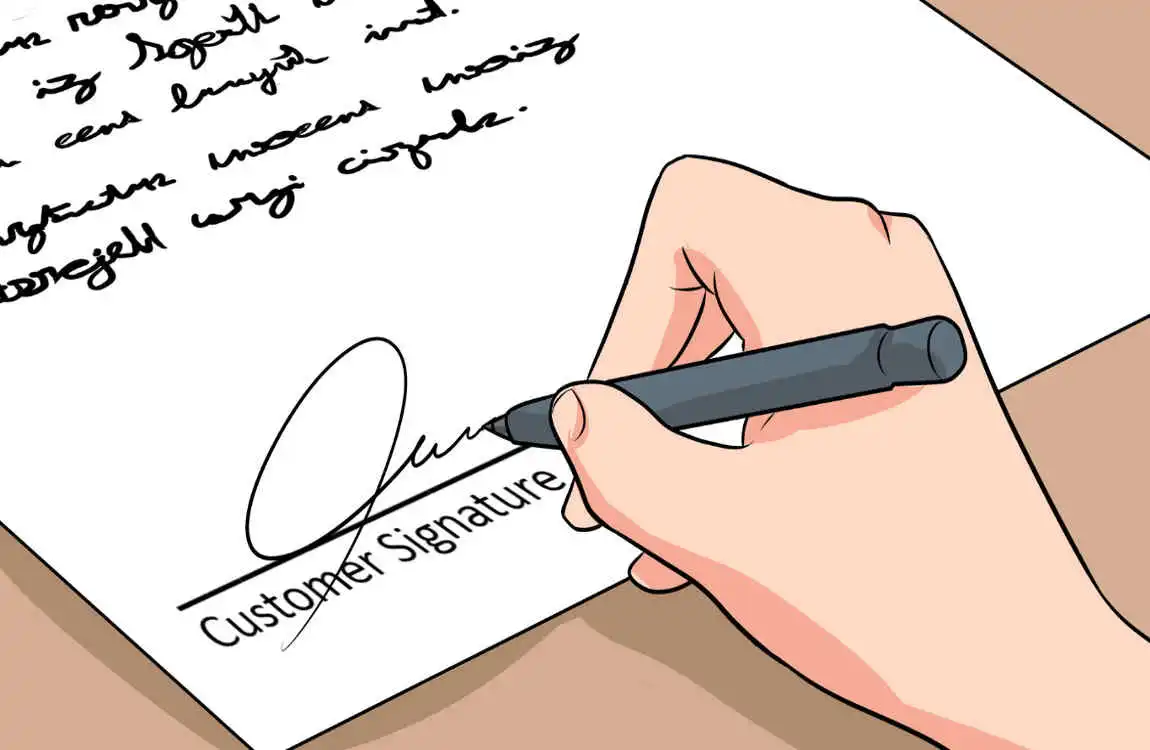
Signing day! You and the seller put pen to paper on the purchase agreement. This document outlines everything: price, timelines, and conditions.
It’s official—the house is now under contract. Both parties commit, but with escape clauses called contingencies. We’ll dive into those soon.
Role of Earnest Money Deposit
To show you’re serious, you put down earnest money—typically 1-3% of the purchase price. It’s like a Security deposit held in escrow.
If the deal closes, it goes toward your down payment. Back out without a good reason? The seller might keep it. This deposit builds trust. Curious how it protects you? It ensures sellers don’t lightly entertain other offers.
Key Components of a Real Estate Contract
A real estate contract isn’t just a handshake—it’s a detailed pact. Let’s break down its parts, so you know what you’re signing.
Purchase Agreement Essentials
The core is the purchase agreement. It spells out the price, property details, and who’s paying what fees. Think of it as the blueprint for your deal.
Include personal property like appliances if they’re staying. Miss something? It could lead to disputes later. Always read it carefully—your future home depends on it.
Contingencies (Inspection, Financing, Appraisal, Sale of Current Home)
Contingencies in real estate are your safety nets. An inspection contingency lets you back out if major issues arise, such as a leaky roof.
A financing contingency protects you if your loan falls through. Appraisal ensures the home’s value matches the price. Selling your current home? Add a contingency for that.
These clauses give wiggle room. Without them, you’re locked in. What contingencies would you add to your contract?
Contract Deadlines and Timelines
Deadlines keep things moving. You might have 10 days for inspections or 30 for loan approval.
Miss one? The deal could crumble. Timelines vary by state, so check local rules. Staying on top of these ensures a smooth path to closing.
Legal Obligations of Buyer and Seller Once Under Contract
Once signed, you’re bound. Buyers must secure financing and complete steps like appraisals. Sellers disclose issues and maintain the property.
Breaches can lead to lawsuits or the loss of deposits. It’s serious stuff—treat it that way. Need help? Link to our guide on real estate legal basics.
What Buyers Should Know When a House Is Under Contract
Buyers, this section is for you. When a house hits under-contract status, your role shifts. Let’s make sure you’re prepared.
How It Affects the Ability to Make Other Offers
If your offer is accepted, focus on this one. Making offers on other homes now? That’s a no-go—it could violate your contract.
Keep shopping casually, but commit fully here. It’s like dating exclusively—wandering eyes complicate things.
Understanding Contingencies and Negotiating Terms
Master contingencies in real estate. Negotiate them upfront to protect yourself. Want more time for inspections? Ask!
These terms can make or break your deal. Discuss with your agent for the best setup.
Steps Buyers Take After a Home Is Under Contract (Inspections, Appraisals, Loan Processing)
Post-contract, action begins. Schedule inspections to uncover hidden problems. Appraisals confirm value—lenders require this.
Process your loan: Submit docs and lock in rates. Stay proactive—delays can kill deals. You’re in the driver’s seat now.
What Can Cause a Contract to Fall Through
Deals flop for reasons like failed inspections revealing costly fixes. Financing issues, low appraisals, or personal changes (such as job loss) are common.
Protect yourself with strong contingencies. If it happens, don’t panic—more homes await.
What Sellers Should Know When a House Is Under Contract
Sellers, congratulations on reaching this milestone! But work remains. Here’s what to expect.
Impact on Listing Status and Showings
Your listing changes to “under contract,” stopping most showings. This reduces hassle but means no new primary offers.
Some markets allow backup offers—more on that soon.
Managing Contingencies and Buyer Obligations
Handle buyer contingencies smoothly. Provide access for inspections and fix the agreed-upon issues.
Communicate clearly to avoid snags. It’s your job to keep momentum.
How to Prepare for Closing
Gather paperwork, such as title deeds and disclosures. Make repairs and pack up.
Work with your agent for a seamless close. Excited yet?
When and How to Accept Backup Offers
If the main deal wobbles, backups save the day. Accept them as secondary— they kick in if the first fails.
Disclose this to the primary buyer for transparency. It’s a smart safety net in uncertain markets.
Common Contract Statuses Explained
Real estate lingo can confuse anyone. Let’s clarify the main ones, so you speak the language fluently.
Differences Between “Under Contract,” “Contingent,” “Pending,” and “In Escrow”
“Under contract” means signed but with contingencies. “Contingent” highlights active conditions, like “contingent on financing.”
“Pending” signals contingencies are met—closing nears. “In escrow” overlaps with the holding period for funds and docs.
These vary by region, but they all point to progress.
What These Terms Mean for Market Activity and Buyer Interest
“Under contract” cools showings but sparks curiosity—buyers watch for fall-throughs. “Pending home sale” means less activity, as it’s almost done.
For you, this intel helps time your moves. Spot a contingent listing? It might reopen soon.
Here’s a quick table to compare:
StatusMeaningImpact on BuyersImpact on Sellers
Under Contract, Signed agreement with possible contingencies. Can’t make primary offers; watch for backups. Fewer showings; focus on one buyer.
Contingent Under contract but tied to specific conditions (e.g., inspection). Opportunity if conditions fail. Manage buyer requests carefully
Pending Contingencies cleared; awaiting closing. Very low chance of availability. Prepare for final steps
In Escrow Funds/docs held by a third party during the closing process. The deal is far along; it rarely falls through. Handle any last-minute issues.
This table simplifies things—bookmark it for your next search!
Timeframe: How Long Does a House Stay Under Contract?
Timing is everything in real estate. Let’s explore how long this phase lasts and what influences it.
Typical Contract Periods in Real Estate Transactions
Most houses stay under contract for 30-60 days. This covers inspections, appraisals, and loan approvals.
In fast markets, it might be quicker—think 21 days. Slower areas? Up to 90 days or more.
Factors That Can Extend or Shorten This Period
Extensions happen due to repair negotiations or loan delays. Shorten it with cash buys—no financing needed.
Market conditions matter: Hot sellers close fast. Weather or holidays can drag things out. What’s your timeline like?
What Happens If Contingencies Are Not Met in Time
Miss a deadline? The contract could end. Buyers lose earnest money; sellers relist.
Negotiate extensions if needed. Communication prevents this—stay in touch!
What Happens If a Contract Falls Through?
Not every deal makes it to closing. But knowledge is power—let’s see why and how to bounce back.
Common Reasons Contracts Fail (Financing, Inspections, Appraisal Issues)
Financing tops the list: If your loan is denied, you’re out. Inspections reveal deal-breakers like foundation cracks.
Appraisals are coming in low for renegotiations. Personal reasons, like cold feet, also play a part.
How Buyers and Sellers Can Protect Themselves
Buyers: Get pre-approved and include strong contingencies. Sellers: Vet buyers’ finances early.
Both: Use experienced agents. It’s your shield against heartbreak.
Next Steps Following Contract Cancellation
For buyers, return to hunting—your deposit might be refunded if contingencies apply. Sellers, relist quickly to maintain momentum.
Learn from it: Adjust offers or pricing. Ready for round two?
Here’s a numbered list of steps to take if a contract falls through:
- Notify all parties: Inform agents and attorneys immediately.
- Review the contract: Check for refund clauses on earnest money.
- Assess the market: See if prices have changed.
- Make adjustments: address issues such as seller repairs or buyer financing.
- Move forward: Relist or restart your search with lessons learned modern home.
