

Hey there! Are you in the middle of building your dream home or planning a major renovation? If so, you might be wondering, “How thick is a house wall supposed to be?” Well, you’re in the right place! In this comprehensive guide, we’ll dive into the world of wall thickness and explore why it’s such a crucial aspect of house construction.
You see, the thickness of your house walls can make a big difference in your home’s overall performance and comfort. From structural integrity to insulation and soundproofing, the right wall thickness can have a significant impact. Whether you’re a homeowner, builder, or architect, understanding the key factors that influence wall thickness is essential.
Understanding House Wall Thickness Basics
Before we dive into the specifics of wall thickness, let’s take a moment to understand what we mean by “wall thickness” and why it’s so important.
What is Wall Thickness?
In simple terms, wall thickness refers to the distance between the two outer surfaces of a wall. This measurement plays a crucial role in determining the structural integrity and performance of your home.
The Role of Wall Thickness
The thickness of your house walls can impact several key aspects of your home:
- Structural Integrity: Thicker walls can provide better support and stability, especially for load-bearing walls that carry the weight of the building.
- Insulation: Thicker walls can accommodate more insulation, helping keep your home warm in winter and cool in summer.
- Soundproofing: Thicker walls can help reduce noise transmission between rooms and from the outside, creating a more peaceful living environment.
Interior vs. Exterior Walls
It’s important to note that interior and exterior walls serve different purposes and often have different thickness requirements.
- Interior Walls: These walls separate rooms within your home and are typically non-load-bearing. They usually have a thinner profile compared to exterior walls.
- Exterior Walls: These walls form the outer shell of your home and need to withstand the elements while providing insulation and structural support. As a result, they are often thicker than interior walls.
Units of Measurement
When discussing wall thickness, you’ll commonly encounter two units of measurement:
- Inches: In the United States, wall thickness is often measured in inches.
- Centimeters: In many other parts of the world, centimeters are used to measure wall thickness.
Now that we have a basic understanding of wall thickness, let’s explore the standard thickness ranges for different types of walls.
How Thick is a House Wall? Standard Thickness by Wall Type

When it comes to house walls, there’s no one-size-fits-all answer to the question, “How thick should a house wall be?” The ideal thickness can vary depending on the type of wall and its purpose. Let’s take a closer look at the standard thickness ranges for different wall types.
Interior Walls (Non-Load-Bearing)
Interior walls that don’t bear any weight typically have a thinner profile compared to other types of walls. The standard thickness range for interior walls is:
- 10–15 cm (4–6 inches)
These walls are often constructed using a single layer of drywall on each side, with a wooden or metal stud frame in between. The exact thickness can vary depending on the specific construction materials and techniques used.
Exterior Walls
Exterior walls need to provide insulation, weather resistance, and structural support, so they are often thicker than interior walls. The standard thickness range for exterior walls is:
- 20–40 cm (8–16 inches)
The thickness of exterior walls can vary depending on factors such as climate, building codes, and the materials used. For example, in colder climates, thicker walls with more insulation may be necessary to maintain energy efficiency.
Load-Bearing Walls
Load-bearing walls play a critical role in supporting the weight of the building, so they are often thicker than non-load-bearing walls. The standard thickness range for load-bearing walls is:
- 24–30 cm (9.5–12 inches)
These walls are typically constructed using more substantial materials, such as brick or concrete, to provide the necessary strength and stability.
Material Influence on Thickness
The choice of construction materials can also impact the thickness of your house walls. Here are some common materials and their typical thickness ranges:
- Drywall: 1.25–1.6 cm (0.5–0.63 inches) per layer
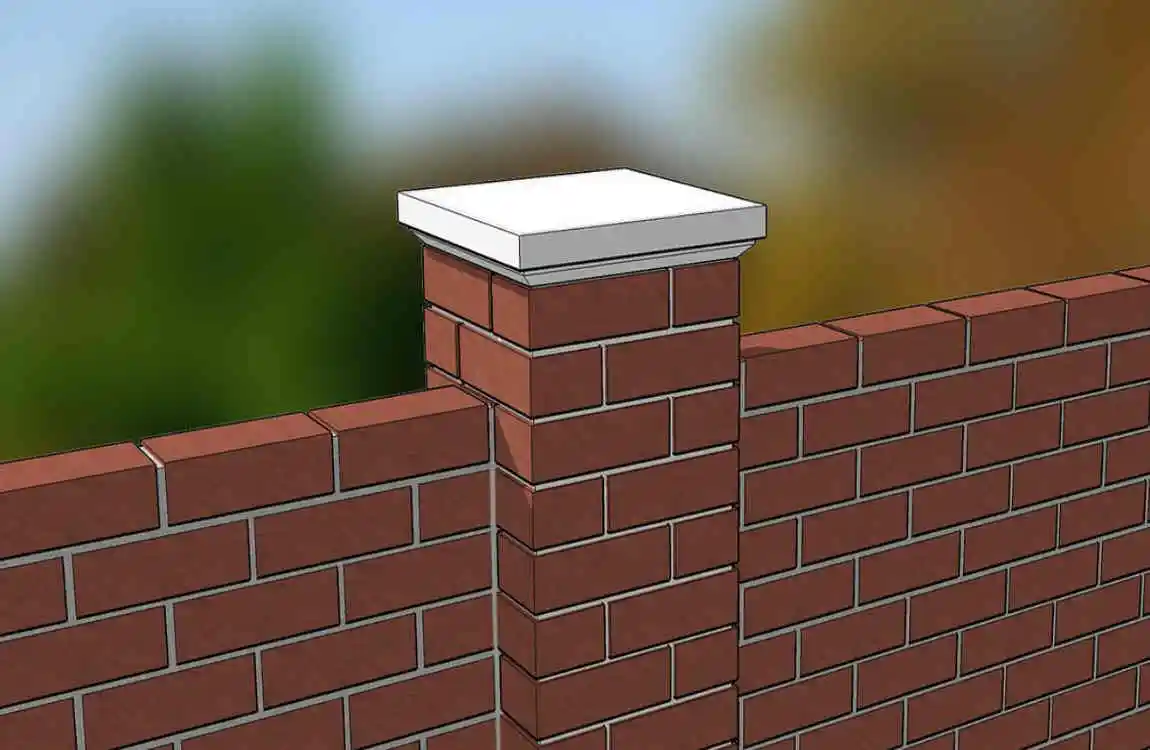
- Brick: 10–12 cm (4–4.7 inches) per layer
- Concrete: 15–20 cm (6–8 inches) per layer
- Wood Framing: 3.8–8.9 cm (1.5–3.5 inches) per stud
Keep in mind that these are general ranges, and the actual thickness of your walls may vary depending on the specific construction techniques and local building codes.
Now that we’ve covered the standard thickness ranges for different types of walls, let’s explore the factors that can influence wall thickness.
Factors Affecting Wall Thickness
When determining the ideal thickness for your house walls, several factors come into play. Let’s take a closer look at these factors and how they can impact your wall thickness decisions.
Building Codes and Regulations
Building codes and regulations can vary by region, and they often dictate minimum thickness requirements for different types of walls. These codes are in place to ensure the safety and structural integrity of buildings.
For example, in areas prone to earthquakes or hurricanes, building codes may require thicker walls to withstand these natural disasters. It’s essential to consult local building codes and work with a licensed professional to ensure your walls meet the necessary standards.
Climate and Insulation Requirements
The climate in which your home is located can also influence the thickness of your walls. In colder climates, thicker walls with more insulation may be necessary to maintain energy efficiency and keep your home warm.
On the other hand, in warmer climates, thinner walls with less insulation may be sufficient. However, it’s still important to consider factors like soundproofing and structural integrity when determining wall thickness.
Number of Stories and Wall Height
The number of stories in your building and the height of your walls can also impact the required thickness. Taller buildings and walls that span multiple stories may require thicker walls to provide adequate support and stability.
In general, the taller the wall, the thicker it needs to be to maintain structural integrity. Your architect or structural engineer can help determine the appropriate thickness based on your home’s specific design and layout.
Construction Materials and Techniques
The choice of construction materials and techniques can also influence the thickness of your walls. Different materials have different strengths and insulation properties, which can impact the required thickness.
For example, brick and concrete walls tend to be thicker than wood-framed walls due to their greater strength and durability. However, advancements in construction techniques, such as using Structural Insulated Panels (SIPs), can allow for thinner walls while still maintaining performance.
When selecting construction materials and techniques, it’s essential to consider factors like cost, availability, and long-term performance to make the best decision for your home.
Now that we’ve explored the factors that can affect wall thickness, let’s discuss how it can impact your home’s overall performance.
How Wall Thickness Impacts House Performance
The thickness of your house walls can significantly impact various aspects of your home’s performance. Let’s take a closer look at how wall thickness can influence structural stability, insulation, soundproofing, and space utilization.
Structural Stability and Safety
One of the primary functions of your house walls is to provide structural support and stability. Thicker walls can offer greater strength and resistance to forces such as wind, earthquakes, and the building’s weight.
In particular, load-bearing walls must be thick enough to support the weight of the structure above them. Thinner walls may not provide the necessary support, compromising the safety and integrity of your home.
By choosing the appropriate wall thickness for your specific building design and location, you can help ensure the long-term stability and safety of your home.
Thermal Insulation and Energy Efficiency
Another vital role of your house walls is to provide thermal insulation, which helps keep your home comfortable and energy-efficient. Thicker walls can accommodate more insulation, reducing heat loss in winter and heat gain in summer.
By choosing the right wall thickness and insulation levels for your climate, you can help minimize your heating and cooling costs while maintaining a comfortable indoor environment. This not only benefits your wallet but also contributes to a more sustainable and eco-friendly home.
Soundproofing and Privacy
If you value peace and quiet in your home, the thickness of your walls can also contribute to soundproofing and privacy. Thicker walls can help reduce sound transmission between rooms and from the outside, creating a more peaceful living environment.
This can be particularly important in multi-family dwellings or homes located in noisy areas. By choosing the right wall thickness and construction materials, you can help minimize unwanted noise and enjoy a more serene home.
Space Utilization
While thicker walls can offer numerous benefits, they can also reduce usable space in your home. Thicker walls take up more room, which can reduce the overall square footage of your living areas.
When designing your home, it’s essential to strike a balance between wall thickness and usable space. Your architect or designer can help you optimize your floor plan to make the most of your available space while still ensuring the necessary wall thickness for performance and safety.
Now that we’ve explored how wall thickness can impact your home’s performance, let’s dive into specific thickness recommendations for different construction materials.
Specific Wall Thickness Recommendations for Different Materials
The choice of construction materials can significantly influence the recommended thickness of your house walls. Let’s take a closer look at some common materials and their associated thickness guidelines.
Brick and Concrete Walls
Brick and concrete are popular choices for exterior walls due to their durability and strength. Here are some general thickness guidelines for these materials:
- Brick Walls: 23–30 cm (9–12 inches) is a standard thickness range for brick walls, depending on factors like climate and building codes.
- Concrete Walls: 15–20 cm (6–8 inches) is a typical thickness range for concrete walls, although thicker walls may be required for load-bearing applications or in areas with high wind loads.
Keep in mind that these are general guidelines, and the specific thickness required for your project may vary depending on local building codes and engineering requirements.
Wood Frame Walls and Modern Framing Techniques
Wood frame construction is a popular choice for both interior and exterior walls due to its affordability and versatility. Here are some general thickness guidelines for wood frame walls:
- Interior Wood Frame Walls: 10–15 cm (4–6 inches) is a standard thickness range for interior wood frame walls, typically consisting of a single layer of drywall on each side with wood studs in between.
- Exterior Wood Frame Walls: 15–20 cm (6–8 inches) is a typical thickness range for exterior wood-frame walls, which may include additional insulation and sheathing.
Modern framing techniques, such as advanced framing or optimum value engineering (OVE), can help reduce the amount of lumber used while still maintaining structural integrity. These techniques allow for slightly thinner walls while still meeting performance requirements.
Cavity Walls and Insulation Layers
Cavity walls consist of two separate layers of masonry or concrete with an air gap in between. This construction method can provide enhanced insulation and moisture resistance. Here are some general thickness guidelines for cavity walls:
- Cavity Walls: 25–35 cm (10–14 inches) is a standard overall thickness range for cavity walls, including the two layers of masonry or concrete and the air gap in between.
- Insulation Layers: The thickness of insulation layers in cavity walls can vary depending on climate and energy-efficiency requirements. Standard insulation thicknesses range from 5–15 cm (2–6 inches).
By incorporating cavity walls and appropriate insulation layers, you can enhance the thermal performance and energy efficiency of your home.
Advanced Materials like Structural Insulated Panels (SIPs)
Structural Insulated Panels (SIPs) are a modern construction material that consists of a foam core sandwiched between two layers of oriented strand board (OSB) or plywood. SIPs offer excellent insulation and structural properties, allowing for thinner walls without compromising performance. Here are some general thickness guidelines for SIPs:
- SIP Walls: 10–15 cm (4–6 inches) is a typical thickness range for SIP walls, which can provide performance equivalent to or better than that of thicker conventional walls.
By using advanced materials like SIPs, you can reduce the overall wall thickness while still achieving the desired level of insulation and structural integrity.
Now that we’ve covered specific thickness recommendations for different materials, let’s discuss how to accurately measure wall thickness in existing buildings.
