


Have you ever driven past a bustling commercial strip and thought, “What if I could build my dream house right here?” It’s an intriguing idea, especially with rising land costs and the appeal of urban convenience. But the big question is: can you build a house on commercial property? The short answer isn’t always a simple yes or no—it depends on a web of rules that govern how land gets used.
Zoning laws act like the rulebook for cities and towns, deciding what you can and can’t build on a piece of land. They prevent chaos, like putting a noisy factory next to a quiet neighborhood. Understanding these rules is crucial if you’re eyeing commercial land for a home. Why? Because ignoring them could lead to hefty fines, forced demolitions, or even legal battles.
In this article, we’ll dive deep into the basics. We’ll start with what zoning really means, then explore commercial property types and their limits. You’ll learn the general rules on building houses there, key regulations to watch, and how to get permissions if it’s possible. We’ll also cover benefits, challenges, alternatives, real-life examples, and wrap up with practical advice.
Think about your own situation as we go. Are you a homeowner dreaming of a custom build, or an investor spotting opportunity? By the end, you’ll feel equipped to tackle this. Let’s get started—zoning might seem dry, but it’s the key to unlocking your property dreams.
What Is Zoning? Understanding the Basics
Zoning is like the invisible blueprint that shapes our communities. At its core, zoning refers to local government rules that divide land into different categories based on how it can be used. These rules help cities plan growth, protect property values, and ensure safety.
Imagine your town as a giant puzzle. Zoning puts the pieces in the right spots—homes in one area, shops in another. This planning dates back to the early 20th century, when cities grew fast and needed order. Today, it’s managed by local authorities who create maps and codes to guide development.
Let’s break down the common zoning categories. Residential zoning is for homes, like single-family houses or apartments. Commercial zoning covers businesses, such as stores or offices. Industrial zoning handles factories and warehouses, while mixed-use zoning blends them, like apartments above shops.
How does this affect what you build? Zoning dictates not just the type of structure, but also its size, height, and even parking. If you want to build a house, you must match the zone’s purpose. For example, residential zones often ban commercial activities to keep things peaceful.
Why should you care about compliance? Skipping zoning checks can halt your project mid-build. Fines can pile up, and you might have to tear down what you’ve started. Plus, non-compliant builds hurt resale value—buyers avoid legal headaches.
Think about it: Have you checked your property’s zoning yet? It’s a simple step that saves big troubles. Local planning offices or online maps make it easy. Zoning isn’t just bureaucracy; it’s what keeps neighborhoods livable and investments smart.
In short, zoning ensures balanced growth. It protects everyone by matching land use to community needs. As we move on, remember: Knowing your zone is the first step to any build.
Types of Commercial Properties and Their Allowed Uses

Commercial properties come in all shapes and sizes, each with its own vibe and rules. Understanding these helps you see why building a house there isn’t always straightforward. Let’s unpack the main types.
First up, retail commercial properties. These are your shopping centers, malls, and storefronts. They’re zoned for selling goods, like clothing stores or restaurants. Building a house here? Usually not, as the focus is on customer traffic and business hours.
Then there’s office commercial properties. Think high-rises or business parks for lawyers, tech firms, or accountants. These zones prioritize quiet work environments, with rules against noisy or residential builds that could disrupt the flow.
Don’t forget industrial commercial properties. These handle manufacturing, storage, or heavy operations—like warehouses or auto shops. Safety concerns, like pollution or truck access, make residential construction a no-go in most cases.
Finally, mixed-use commercial properties blend it all. Picture a building with shops on the ground floor and apartments above. This is where things get flexible—some zones allow homes if they’re part of a bigger commercial setup.
What uses are typically allowed in commercial zones? Businesses, of course—anything from cafes to gyms. But residential? It’s restricted to prevent conflicts, like noise from a bar bothering upstairs neighbors.
Restrictions on homes in commercial zones stem from the core purpose: Economic activity over living spaces. You can’t just plop a single-family house in a shopping district; it might lower property values or clash with traffic patterns.
However, mixed-use zones offer hope. In cities like New York or Seattle, you see condos atop offices. These allow residential alongside commercial, as long as the build fits density rules.
Consider this: If your commercial lot is in a growing area, mixed-use could turn it into a goldmine. But always check local codes—rules vary by city.
To make it clearer, here’s a quick table summarizing commercial property types and their typical allowed uses:
| Property Type | Typical Allowed Uses | Residential Restrictions |
|---|---|---|
| Retail | Stores, restaurants, services | Strict; no standalone homes |
| Office | Professional workspaces, call centers | Limited; offices over homes rare |
| Industrial | Factories, warehouses | Heavy; safety bans most residential |
| Mixed-Use | Blend of business and living spaces | Flexible; allows apartments or condos |
This table shows the spectrum—mixed-use is your best bet for homes.
In essence, commercial zones prioritize profit-making over personal living. But with creativity, like in mixed-use setups, you might find a way. What’s your property type? That could change everything.
Can You Build a House on Commercial Property? The General Rule
So, can you build a house on commercial property? The general rule is no, in most cases. Commercial zones are designed for business, not bedrooms. Let’s explore why and when exceptions pop up.
Typically, restrictions ban residential construction outright. Why? To maintain the area’s commercial character. A house could disrupt traffic, lower nearby business values, or violate safety codes meant for high-traffic spots.
Situations where it’s NOT allowed are common. For example, if your land is zoned strictly commercial, like for a strip mall, forget about a cozy cottage. Local laws often prohibit it to avoid “spot zoning”—unfair changes that favor one owner.
Now, compare building a single-family house versus multi-family units. A standalone home is rare on commercial land—it’s seen as incompatible. But multi-family options, like apartments, might slide in under mixed-use rules. These provide housing without clashing as much.
Case studies highlight this. In Chicago, developers converted old warehouses into lofts, blending residential with ground-floor shops. It worked because they got zoning tweaks. Another example: A California project turned a defunct office building into condos, boosting the neighborhood’s appeal.
But not all stories succeed. In rural areas with rigid zoning, attempts to build homes on commercial lots often fail, leading to denied permits.
What does this mean for you? If you’re set on a single-family house, you might need to rezone the land— a process we’ll cover later. Multi-family could be easier if the zone allows density.
Engage with this: Picture your ideal home. Is it a solo house or part of a lively complex? That vision guides your next steps.
In summary, the rule leans toward “no,” but creativity and local flexibility can open doors. Always start with your property’s specifics.
Key Zoning Rules That Affect Building a House on Commercial Property
Navigating zoning rules feels like decoding a map, but it’s doable. These regulations shape if and how you can build a house on commercial land. Let’s break them down step by step.
First, zoning maps are your starting point. These online or city-hall tools show your property’s classification. Check yours—it’s free and reveals if residential is even an option.
Next, consider conditional use permits (CUP) and variances. A CUP lets you build something not normally allowed, with conditions like added parking. Variances bend rules for unique cases, like odd-shaped lots. Apply through your local board; prepare a strong case showing no harm to neighbors.
Local building codes tie into this. Commercial zones might require fire-resistant materials or wider streets, complicating house builds. These ensure safety but add costs.
Don’t overlook setbacks, height limits, and density rules. Setbacks mandate space from roads—say, 20 feet back. Height caps prevent towering homes in low-rise areas. Density controls how many units fit, affecting multi-family plans.
Finally, zoning overlays and special districts add layers. Overlays might protect historic areas, banning modern homes. Special districts, like eco-zones, restrict builds to preserve nature.
Here’s a numbered list of steps to check these rules:
- Visit your city’s planning website for zoning maps.
- Identify your property’s zone code (e.g., C-1 for commercial).
- Review local codes for residential allowances.
- Consult a planner for overlays or special rules.
- Apply for CUP or variance if needed.
These rules protect communities but can frustrate builders. You might wonder: How do they apply to your lot? Research now to avoid surprises.
In dense cities, these rules are stricter to manage growth. Rural areas might offer more leeway. Always factor in updates—zoning evolves with community needs.
Overall, mastering these rules turns “impossible” into “possible.” Engage local experts; they’re goldmines of info.
How to Get Permission to Build a House on Commercial Property
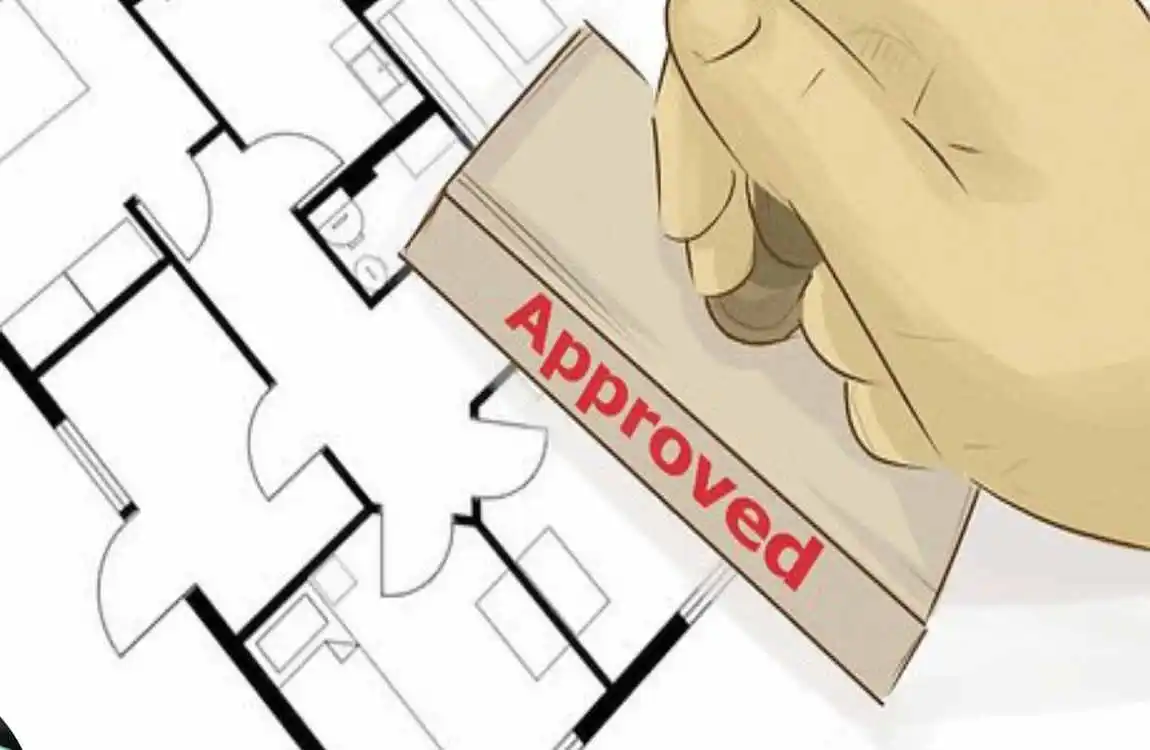
Dreaming of that house on commercial land? Getting permission involves steps, patience, and strategy. Let’s walk through it conversationally.
Start by requesting a zoning change or variance. This means petitioning to shift your land from commercial to residential or mixed-use. Research similar approvals in your area to build your case.
Engage with local planning and zoning boards. Attend meetings, introduce yourself, and explain your vision. They’re people too—build rapport.
Preparing a permit application is key. Include site plans, environmental impacts, and why your build benefits the community. For residential on commercial, highlight how it fills housing gaps without harming businesses.
Public hearings come next. Neighbors voice opinions—address concerns like noise or traffic upfront. Be prepared; positive community input sways decisions.
Tips for approval? Hire a zoning lawyer for expertise. Show economic perks, like increased taxes. Time it right—apply during growth-friendly periods.
Imagine presenting your plan: “This house will revitalize the area.” That mindset helps.
Success rates vary, but persistence works. Follow up politely after submission.
In the end, permission turns dreams into reality. Ready to take that first step?
Benefits and Challenges of Building a House on Commercial Property
Building on commercial land has upsides and hurdles. Let’s weigh them.
Benefits include prime locations—near jobs, shops, and transit. It’s an investment goldmine; mixed-use can yield rental income. Plus, urban vibes appeal to modern buyers.
Challenges? Zoning fights drag on, with complex permits. Infrastructure differs—commercial lots might lack home-friendly utilities like quiet sewers. Expect pushback from businesses fearing competition.
Financially, taxes run higher on commercial land. Insurance costs more due to risks. Resale? It depends—unique homes sell well, but zoning quirks scare some buyers.
Here’s a bulleted list of pros and cons:
- Pros: Convenience, potential for mixed income, community revival.
- Cons: Legal hoops, higher costs, utility mismatches.
You decide: Do benefits outweigh challenges for your goals?
Alternatives to Building a Single-Family House on Commercial Property
Not set on a solo house? Alternatives abound.
Opt for mixed-use developments—add homes to commercial spaces. It’s efficient and often zoning-approved.
Consider multi-family apartments or condos. These fit commercial zones better, providing scale.
Live-work units blend home and office, ideal for entrepreneurs. Or add accessory dwelling units (ADUs) like backyard cottages, if rules allow.
These options maximize land without full rezoning. Which suits you?
Real-Life Examples and Success Stories
Real stories inspire. In Portland, a commercial area lot became eco-friendly townhomes via mixed-use zoning, boosting local economy.
San Francisco’s conversions turned offices into lofts, easing housing shortages. Regions like Denver embrace flexible rules.
Lessons? Research thoroughly, engage communities, and adapt plans. Success comes from flexibility.
