

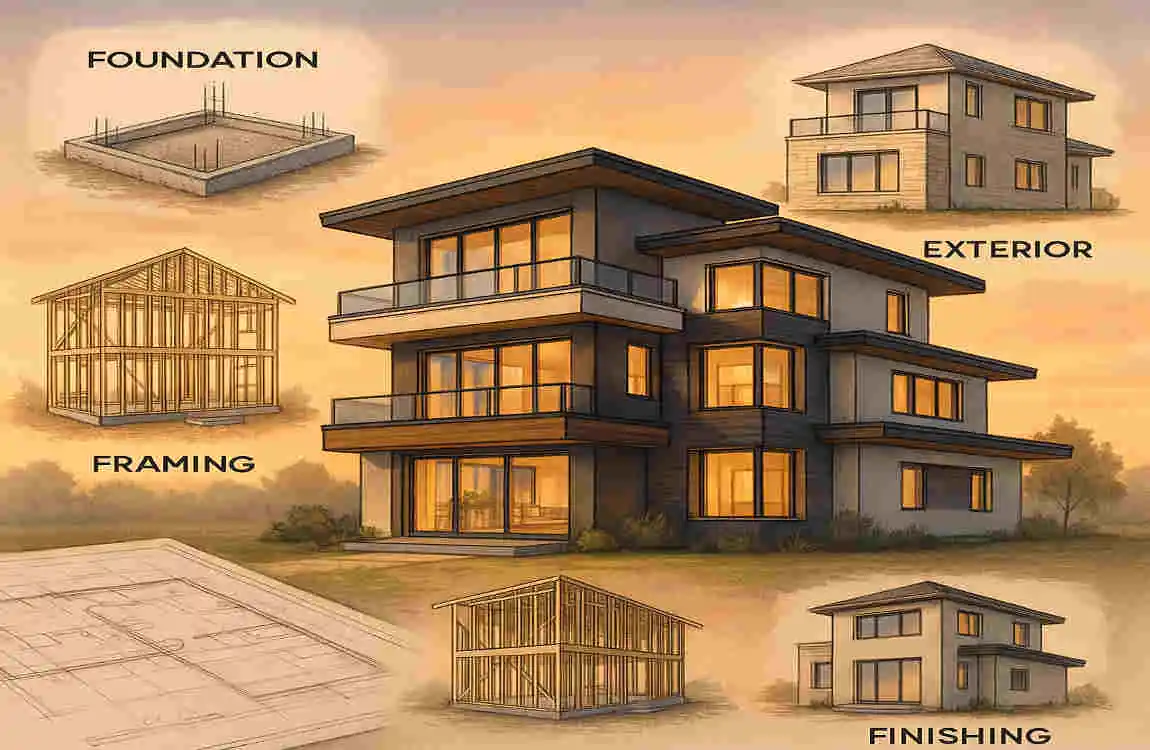
Have you ever dreamed of owning a majestic 3-story house? The idea of having a home that stretches upwards, offering you more space and stunning views, is incredibly appealing. But before you start picturing yourself sipping coffee on your rooftop terrace, it’s essential to understand that building a 3-story house requires careful planning and consideration. We’ll walk you through the entire process of creating a 3-story modern house, from initial planning to final touches.
You’ll have a clear understanding of the step-by-step process, key considerations, budgeting strategies, and design tips that will help you turn your dream of a 3-story home into a reality. So, let’s dive in and explore the world of vertical living!
Understanding the Basics of a 3-Story House
Before we delve into the nitty-gritty of building your dream home, let’s take a moment to understand what a 3-story house is and what sets it apart from other types of homes.
What is a 3-Story House?
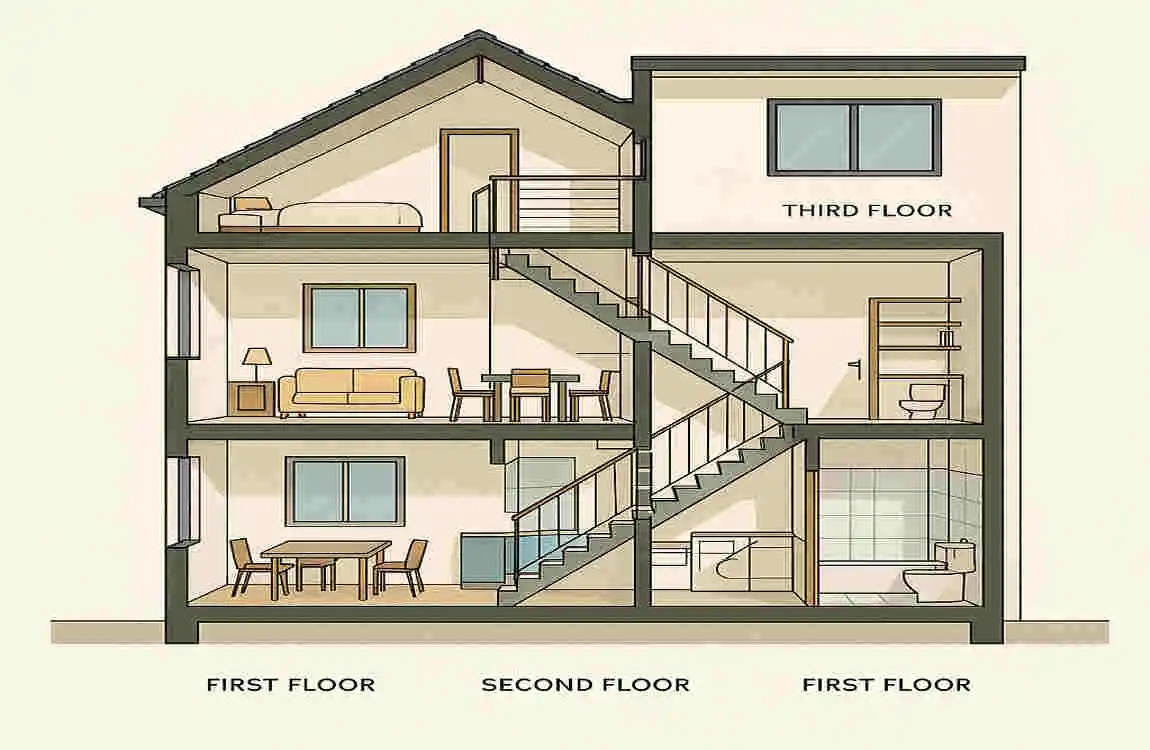
A 3-story house is precisely what it sounds like – a home with three levels of living space stacked on top of each other. These homes typically have a ground floor, a middle floor, and a top floor, with stairs connecting each level.
Advantages of Building a 3-Story Home
There are several compelling reasons why you might choose to build a 3-story house:
- Space Efficiency: By building vertically, you can maximize your lot and create more living space without expanding your footprint.
- Views: A 3-story home lets you enjoy breathtaking views from the upper floors, whether from a scenic landscape or a bustling city skyline.
- Privacy: With multiple levels, you can create distinct zones for different activities, giving you and your family more privacy and separation.
Common Challenges of 3-Story Homes
While there are many advantages to building a 3-story house, there are also some challenges to be aware of:
- Structural Complexity: Building a tall home requires careful planning and engineering to ensure that the structure is safe and stable.
- Higher Costs: The materials and labor required to build a 3-story home can be more expensive than building a single-story or two-story home.
- Zoning Restrictions: Depending on your location, there may be zoning laws and height restrictions that limit your ability to build a 3-story home.
Understanding these factors is crucial as you embark on building your dream 3-story house. By keeping them in mind, you can make informed decisions throughout the process and create a home that truly meets your needs and desires.
Planning Your 3-Story House Design
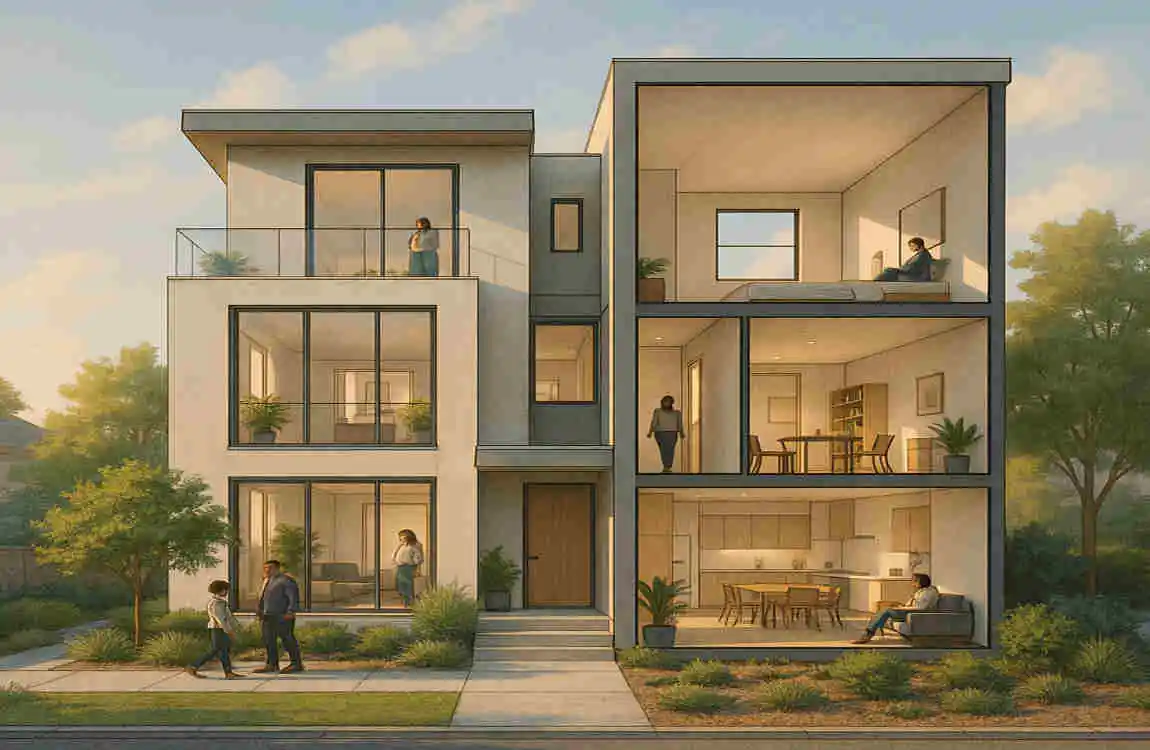
Now that you have a basic understanding of what a 3-story house entails, it’s time to start planning the design of your dream home. This is an exciting stage where you can let your creativity soar and envision the perfect space for your lifestyle.
Determining Your Needs and Lifestyle Requirements
The first step in planning your 3-story house design is to think about your specific needs and lifestyle. Consider factors such as:
- How many bedrooms and bathrooms do you need?
- Do you want dedicated spaces for work, hobbies, or entertainment?
- What is your preferred layout—open and airy or more compartmentalized?
By taking the time to reflect on your needs and desires, you can create a design that truly reflects your vision for your dream home.
Navigating Zoning Laws, Building Codes, and Height Restrictions
Before you get too far into your design plans, it’s essential to research the zoning laws, building codes, and height restrictions that apply to your property. These regulations can vary widely by location, so it’s crucial to understand what’s allowed and what’s not.
Some key questions to consider:
- Are there any height restrictions that would limit the number of stories you can build?
- Are there setback requirements that dictate how far your home must be from property lines?
- Are there any specific building codes or materials requirements that you need to follow?
By familiarizing yourself with these regulations early on, you can avoid costly delays and ensure that your design complies with all necessary rules and regulations.
Choosing the Right Floor plan
When it comes to the floor plan of your 3-story house, you have two main options: an open layout or a compartmentalized layout.
- Open Layout: An open layout features fewer walls and more flowing spaces, creating a sense of spaciousness and connectivity between rooms. This can be especially beneficial in a 3-story home, helping the different levels feel more cohesive.
- Compartmentalized Layout: A compartmentalized layout, on the other hand, features more defined rooms and spaces, which can provide more privacy and separation between different areas of the home. This can be a good choice if you want to create distinct zones for other activities or family members.
Ultimately, the right floor plan for your 3-story house will depend on your personal preferences and lifestyle. Take the time to explore different options and consider what will work best for you and your family.
Maximizing Natural Light and Ventilation
One of the key challenges of building a 3-story home is ensuring that all levels receive adequate natural light and ventilation. Here are some tips to help you maximize these essential elements:
- Strategic Window Placement: Carefully plan window placement on each floor to ensure every room receives ample natural light. Consider using larger windows or skylights on upper floors to bring in even more light.
- Ventilation Strategies: In addition to natural light, ensure proper ventilation throughout your 3-story home. Consider incorporating features such as operable windows, ceiling fans, and a well-designed HVAC system to keep the air circulating and fresh.
By prioritizing natural light and ventilation in your design, you can create a more comfortable and enjoyable living environment for you and your family.
Considering Future Expansion or Remodeling
As you plan your 3-story house design, it’s wise to think about the future and how your needs may change over time. Consider incorporating features that will make it easier to expand or remodel your home down the road, such as:
- Flexible Spaces: Design some rooms or areas of your home to be easily adaptable to different uses. For example, a home office could be converted into a guest room or a playroom as your family’s needs evolve.
- Structural Considerations: When planning your home’s structure, keep in mind the possibility of future additions or modifications. Ensure that your foundation and framing are designed to support potential changes.
By thinking ahead and incorporating these considerations into your design, you can create a 3-story home that will serve you well for years to come.
Budgeting and Financing Your 3-Story Home
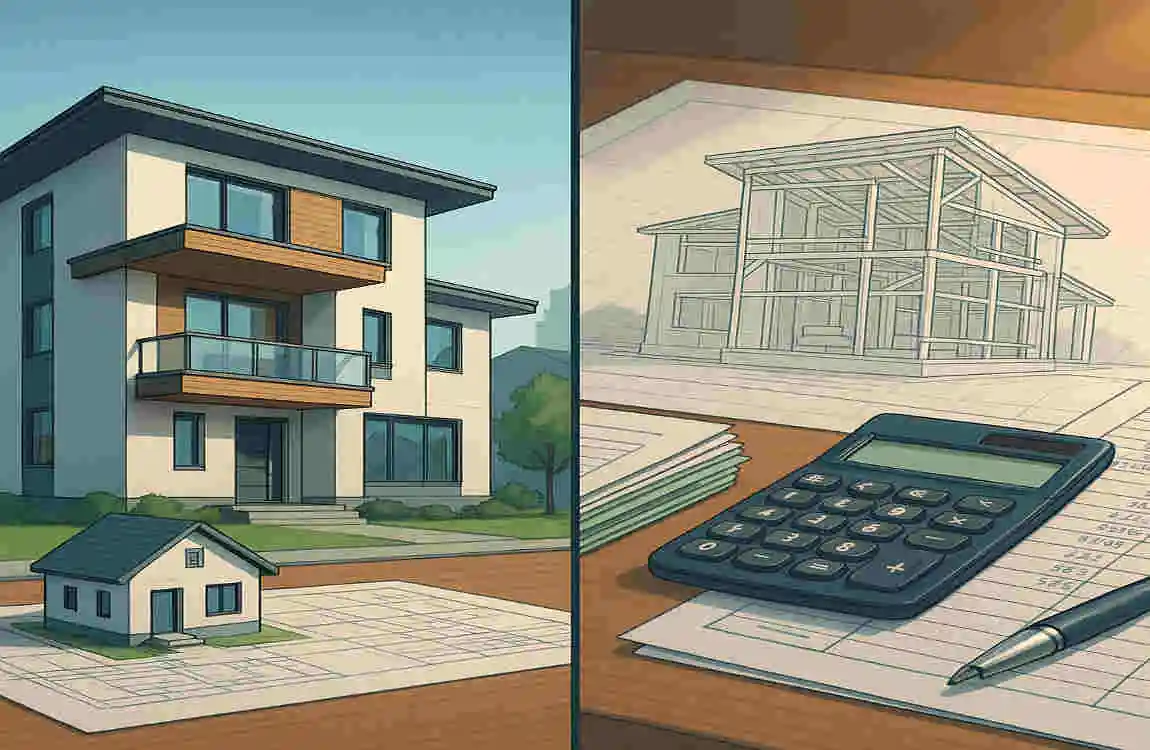
Building a 3-story house is a significant investment, so it’s crucial to carefully plan your budget and explore your financing options. In this section, we’ll walk you through the key considerations and strategies to help you manage the costs of your dream home.
Estimating Costs Unique to 3-Story Houses
When building a 3-story home, there are costs unique to this type of construction. These include:
- Foundation Costs: A 3-story house requires a stronger and more extensive foundation to support the additional weight and height. This can increase the cost of your foundation compared to a single-story or two-story home.
- Materials and Labor: Building a tall home requires more materials and labor, which can increase the overall construction cost. Be sure to factor these increased expenses into your budget.
- Specialized Equipment: Depending on the height and complexity of your 3-story home, you may need to rent or purchase specialized equipment, such as scaffolding or cranes, to complete the construction.
By understanding these unique costs, you can create a more accurate and comprehensive budget for your 3-story home.
Calculating Contingency Funds
No matter how carefully you plan, unexpected expenses can arise during construction. That’s why it’s essential to include a contingency fund in your budget to cover any unforeseen costs.
As a general rule of thumb, it’s wise to set aside 10-20% of your total budget as a contingency fund. This will give you a cushion to handle any surprises that may come up, such as:
- Unforeseen structural issues
- Changes in material costs
- Delays due to weather or other factors
By including a contingency fund in your budget, you can approach your 3-story home project with greater peace of mind and financial Security.
Exploring Financing Options
Building a 3-story home is a significant investment, and most people will need to secure financing to make their dream a reality. Here are some standard financing options to consider:
- Construction Loans: A construction loan is a short-term loan that provides funds to cover the costs of building your home. Once construction is complete, you can convert the loan into a traditional mortgage.
- Mortgages: If you already own the land where you plan to build your 3-story home, you can secure a mortgage to finance the construction. This can be a good option if you prefer a longer-term loan with fixed interest rates.
- Construction-to-Permanent Loans: A construction-to-permanent loan combines the benefits of a construction loan and a mortgage into one convenient package. This type of loan allows you to borrow money for the construction phase and then automatically converts to a mortgage once your home is complete.
When exploring your financing options, be sure to shop around and compare rates and terms from multiple lenders. Working with a knowledgeable mortgage broker can also help you navigate the process and find the best financing solution for your needs.
Hiring a Reliable Contractor and Negotiating Quotes
One of the most important decisions you’ll make when building your 3-story home is choosing the right contractor. A reliable, experienced contractor can help ensure your project stays on track and within budget.
Here are some tips for hiring a contractor and negotiating quotes:
- Research and References: Take the time to research potential contractors and ask for references from past clients. Look for a contractor with experience building 3-story homes and a track record of satisfied customers.
- Multiple Quotes: Get quotes from at least three different contractors to compare prices and services. Be sure to ask for a detailed cost breakdown so you can understand what you’re paying for.
- Negotiation: Don’t be afraid to negotiate with your contractor to get the best possible price. Be open to discussing alternative materials or construction methods to reduce costs without compromising quality.
By taking a proactive approach to hiring a contractor and negotiating quotes, you can save money and ensure that your 3-story home project is in good hands.
Step-by-Step Construction Process for Your 3-Story House
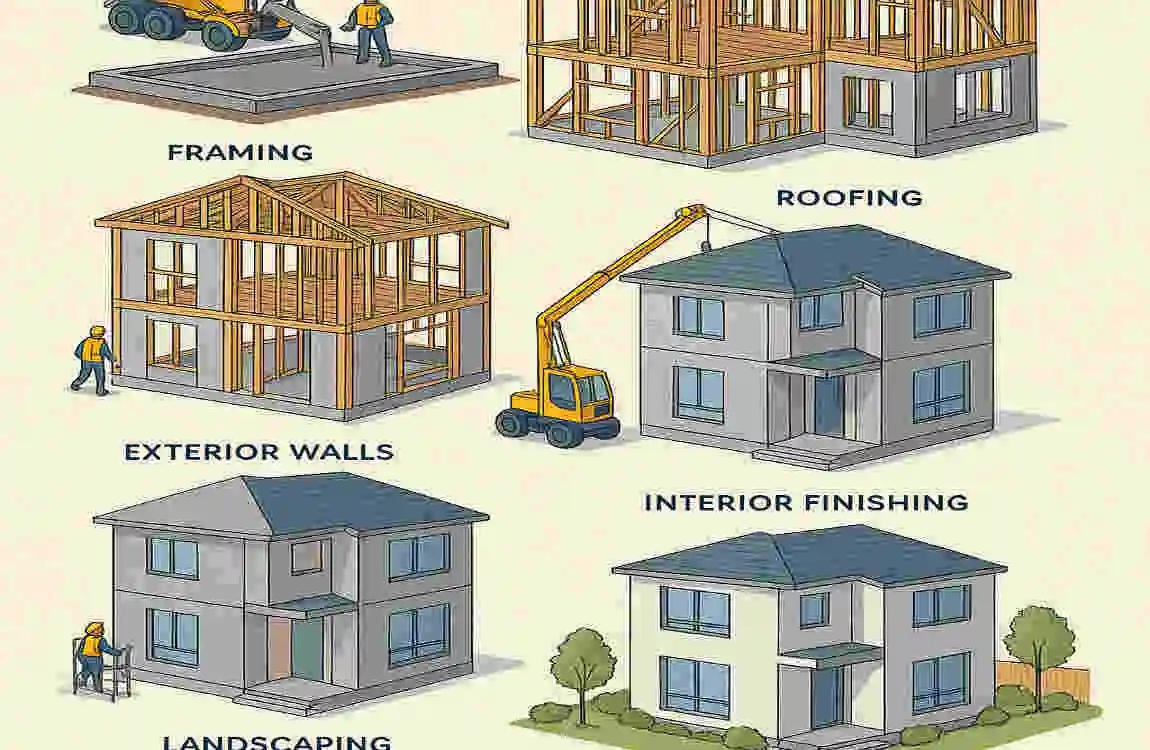
Now that you’ve planned your design and secured your financing, it’s time to dive into the exciting world of construction. Building a 3-story house is a complex process that involves many steps and considerations. In this section, we’ll walk you through the key stages of construction, from site selection to final inspections.
Site Selection and Land Preparation
The first step in building your 3-story house is selecting the right site and preparing the land for construction. Consider factors such as:
- Location: Choose a site that meets your needs and preferences, whether it’s a quiet suburban neighborhood or a bustling urban area.
- Topography: Assess the slope and shape of the land to determine if it’s suitable for a 3-story home. You may need to invest in site grading or retaining walls to create a level building pad.
- Utilities: Ensure the site has access to essential utilities —water, sewer, and electricity. If not, you may need to factor in the cost of bringing these services to your property.
Once you’ve selected your site, it’s time to prepare the land for construction. This may involve clearing vegetation, removing debris, and grading the site to create a level building surface.
Foundation Design and Laying a Strong Structural Base
A strong, stable foundation is crucial for any home, but it’s especially essential for a 3-story house. The foundation must be designed to support the weight and height of the structure, as well as any environmental factors such as soil conditions and seismic activity.
Your contractor will work with a structural engineer to home design the proper foundation for your 3-story home. Common foundation types for tall dwellings include:
- Concrete Slab: A concrete slab foundation is a popular choice for 3-story homes, providing a solid, stable base for the structure.
- Crawl Space: A crawl space foundation elevates the home above the ground, allowing for easier access to plumbing and electrical systems.
- Basement: A basement foundation adds living space to your home, but it may require more extensive excavation and waterproofing.
Once the foundation design is complete, your contractor will begin laying the foundation. This typically involves excavating the site, pouring concrete, and allowing it to cure before moving on to the next stage of construction.
Framing the 3 Floors and Securing Vertical Support
With the foundation in place, it’s time to start framing the three floors of your 3-story house. This is an exciting stage where you’ll begin to see your home take shape.
Framing a 3-story home requires careful planning and engineering to ensure that the structure is safe and stable. Your contractor will use a combination of load-bearing walls, beams, and columns to provide vertical support and distribute the weight of the upper floors.
Some key considerations during the framing process include:
- Load-Bearing Walls: Load-bearing walls are essential for supporting the weight of the upper floors. These walls must be carefully positioned and reinforced to handle the additional load.
- Beams and Columns: Beams and columns provide additional support and help distribute the structure’s weight. These elements must be carefully designed and installed to ensure the home’s stability.
- Stairwells: If your 3-story home includes stairwells, these must be framed and secured during this stage of construction. Stairwells can be challenging to design and build, as they must be safe and code-compliant while also seamlessly integrating into the home’s overall layout.
As the framing progresses, you’ll start to see the skeleton of your 3-story house take shape. This is an exciting time, but it’s essential to stay focused on the details and ensure that everything is built to the highest standards of quality and safety.
