


When it comes to keeping our homes safe, fire safety is a top priority. You might have heard about fire doors, but you’re not sure if they’re something you need in your house. Are fire doors required in houses? That’s the big question we’re going to tackle in this guide.
We’ll dive into everything you need to know about fire doors, from what they are to whether or not you need them in your home. By the end of this article, you’ll have a clear understanding of fire door regulations, their benefits, and how to decide if they’re right for your modern house.
What Are Fire Doors?
Let’s start with the basics. Fire doors are specially designed doors that can withstand fire and smoke for a certain amount of time. Their primary purpose is to slow down the spread of fire and smoke within a building, giving occupants more time to evacuate safely.
Fire doors are typically made from materials like timber or metal, which are treated to be fire-resistant. They often have special seals around the edges to prevent smoke from seeping through. When a fire breaks out, these doors work by containing the fire in one area, buying precious time for everyone to get out.
Understanding Fire Door Requirements in Residential Buildings
Now, let’s get to the heart of the matter: are fire doors required in houses? The answer depends on a few factors, mainly building codes and regulations in your area.
In many places, fire doors are not strictly required in single-family homes. However, there are some exceptions and situations where they might be necessary. Let’s break it down:
Building Codes and Regulations
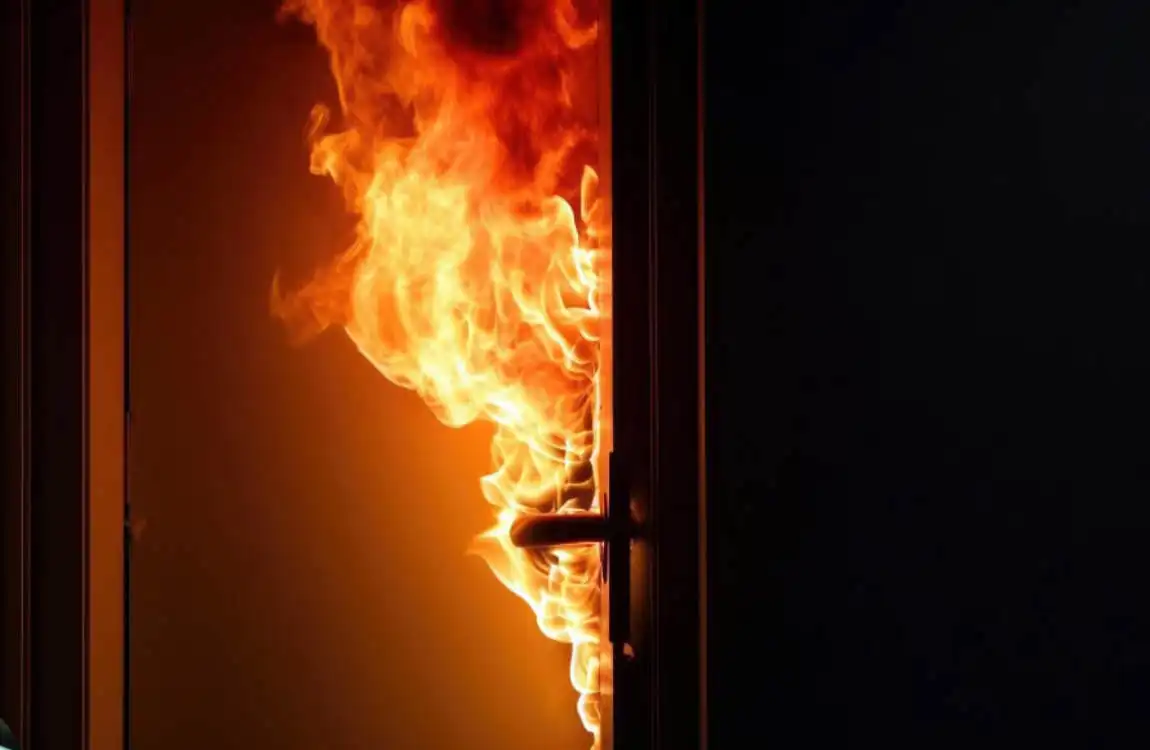
Building codes vary from region to region, but they all aim to ensure the safety of occupants in case of a fire. Some codes may require fire doors in certain types of residential buildings, like apartments or townhouses.
In the United States, for example, the International Residential Code (IRC) doesn’t mandate fire doors in single-family homes. However, local jurisdictions may have their own requirements.
In the United Kingdom, the Building Regulations 2010 state that fire doors are required in certain situations, such as when a house is converted into multiple units or when a loft is converted into a habitable space.
In Australia, the National Construction Code (NCC) sets out fire safety requirements for residential buildings, including when fire doors may be necessary.
Differences in Requirements
It’s important to note that fire door requirements can differ between residential, commercial, and multi-family housing. While fire doors may not be required in a single-family home, they might be mandatory in an apartment building or a house converted into multiple units.
If you’re unsure about the specific requirements for your property, it’s always best to consult with a local building inspector or fire safety professional.
Why Fire Doors Might Be Required in Certain Houses
Even if fire doors aren’t strictly required in your house, there are some situations where they might be highly recommended or even necessary. Let’s take a look at a few examples:
Multi-Unit Complexes or Apartments
If you live in a house that’s part of a multi-unit complex or an apartment building, fire doors may be required to meet building codes and ensure the safety of all occupants. In these situations, a fire in one unit could easily spread to others, making fire doors a crucial safety feature.
Older Homes Undergoing Renovations or Extensions
If you’re renovating or extending an older home, you may need to bring it up to current building codes, which could include installing fire doors. This is especially true if you’re changing the layout of the house or adding new living spaces.
Houses with Attached Garages or Specific Fire Risk Factors
Houses with attached garages or other specific fire risk factors, like a workshop or a room with a lot of flammable materials, may benefit from fire doors. These doors can help prevent a fire from spreading from the garage or high-risk area into the rest of the house.
Role of Local Fire Safety Authorities and Inspections
Local fire safety authorities play a crucial role in determining whether or not fire doors are required in your house. They may conduct inspections to assess fire safety measures and recommend or require the installation of fire doors based on their findings.
Benefits of Installing Fire Doors in Houses
Even if fire doors aren’t strictly required in your house, there are several compelling reasons to consider installing them. Let’s explore some of the key benefits:
Increased Safety for Occupants
The most crucial benefit of fire doors is the increased safety they provide for occupants during a fire emergency. By containing the fire and smoke in one area, fire doors give you and your family more time to evacuate safely.
Protection of Property and Valuables
Fire doors can also help protect your property and valuables from fire damage. By slowing down the spread of fire, these doors give firefighters more time to arrive and extinguish the blaze before it causes extensive damage.
Potential Reduction in Insurance Premiums
Installing fire doors in your house may lead to a reduction in your home insurance premiums. Insurance companies often offer discounts for homes with fire safety features, as they reduce the risk of a total loss in case of a fire.
Peace of Mind
Knowing that your house is equipped with fire-resistant features like fire doors can give you peace of mind. You’ll have the reassurance that you’ve taken steps to protect your family and your home from the devastating effects of a fire.
Types of Fire Doors Suitable for Houses
If you’ve decided that fire doors are right for your house, you’ll need to choose the right type. Let’s take a look at the options:
Timber Fire Doors vs Metal Fire Doors
For residential use, you have two main options: timber fire doors and metal fire doors. Timber fire doors are often preferred for their aesthetic appeal, as they can be painted or stained to match your home’s decor. Metal fire doors, on the other hand, offer a more industrial look and may be more suitable for specific applications, like garage doors.
Fire Door Ratings
Fire doors are rated based on their ability to withstand fire and smoke for a certain amount of time. Standard ratings include FD30 (30 minutes) and FD60 (60 minutes). The rating you need will depend on the specific requirements of your house and local building codes.
Self-Closing Fire Doors and Accessories
Most fire doors are designed to be self-closing, meaning they automatically close when a fire is detected. This is a crucial feature, as it ensures the door will be closed and functioning correctly in case of an emergency. You may also need to Install other accessories, like smoke seals or intumescent strips, to enhance the fire resistance of the door.
Common Misconceptions About Fire Doors in Houses
There are several common misconceptions about fire doors in houses that we need to address. Let’s set the record straight:
Fire Doors Are Only Needed in Commercial Buildings
One of the biggest misconceptions is that fire doors are only necessary in commercial buildings. While it’s true that fire doors are more commonly required in commercial settings, they can be just as important in residential buildings, especially in certain situations.
Fire Doors Are Too Expensive or Difficult to Install
Some people believe that fire doors are too expensive or challenging to Install. While fire doors can be more costly than regular doors, they’re not necessarily out of reach for most homeowners. Additionally, with the help of a professional, installing fire doors can be a straightforward process.
Fire Doors Ruin the Aesthetics of a Home
Another common misconception is that fire doors will ruin the aesthetics of a home. While fire doors may look different from regular doors, there are many stylish options available that can complement your home’s decor. With a bit of creativity, you can find fire doors that are both functional and attractive.
How to Identify If Your House Needs Fire Doors
So, how do you know if your house needs fire doors? Here’s a checklist to help you decide:
- Is your house part of a multi-unit complex or apartment building?
- Are you renovating or extending an older home?
- Does your house have an attached garage or other fire risk factors?
- Have local fire safety authorities recommended or required fire doors in your house?
If you answered “yes” to any of these questions, it’s a good idea to consult with a fire safety professional or building inspector. They can assess your specific situation and provide guidance on whether or not fire doors are necessary.
Installation and Maintenance of Fire Doors in Houses
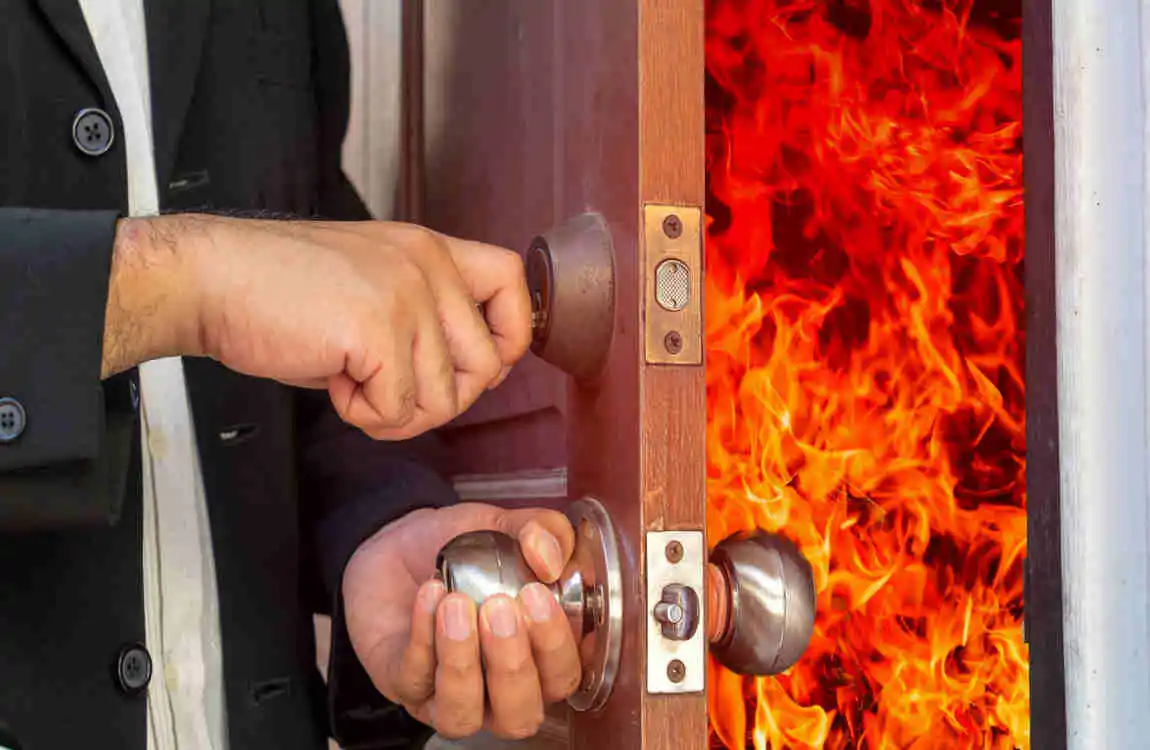
If you’ve decided to Install fire doors in your house, you’ll need to consider the installation and maintenance process. Here’s what you need to know:
Professional Installation vs DIY
While some homeowners may be tempted to Install fire doors themselves, it’s generally recommended to hire a professional. Fire doors need to be installed correctly to ensure they function properly in case of a fire. A professional can also help you navigate any building codes or regulations that may apply.
Key Installation Requirements
To be effective, fire doors need to be installed according to specific requirements. These may include:
- Proper sizing and fitting of the door
- Installation of self-closing mechanisms
- Addition of smoke seals and intumescent strips
- Ensuring the door is not obstructed by furniture or other items
Regular Maintenance and Inspection
Once your fire doors are installed, it’s essential to perform regular maintenance and inspections to ensure they remain in good working order. This may include:
- Checking the self-closing mechanism to ensure it’s functioning properly
- Inspecting the door and frame for any signs of damage or wear
- Replacing any worn or damaged parts, like smoke seals or intumescent strips
- Scheduling professional inspections as recommended by local fire safety authorities
How Often to Check or Replace Fire Doors
The frequency of fire door checks and replacements will depend on several factors, including the age of the door, the level of use, and local regulations. As a general rule, it’s a good idea to inspect your fire doors at least once a year and replace them every 20-30 years, or as needed.
Fire Doors and Overall House Fire Safety Strategy
Fire doors are just one part of a comprehensive house fire safety strategy. To keep your home and family safe, you’ll need to integrate fire doors with other safety measures, like:
Fire Alarms and Sprinklers
Fire alarms and sprinklers are essential components of any fire safety plan. Make sure you have working smoke detectors on every level of your house, and consider installing a sprinkler system for added protection.
Escape Routes and Drills
Having a well-planned escape route and practicing fire drills with your family can help ensure everyone knows what to do in case of a fire. Make sure everyone knows at least two ways to exit each room and where to meet outside the house.
Complementary Safety Equipment
In addition to fire doors, alarms, and sprinklers, there are other pieces of safety equipment you can use to enhance your home’s fire resistance. These may include fire extinguishers, fire blankets, and fire-resistant window treatments.
Best Practices
Finally, make sure you’re following best practices for fire safety in your home. This includes things like keeping flammable materials away from heat sources, not overloading electrical outlets, and having a plan for safely extinguishing small fires.
