

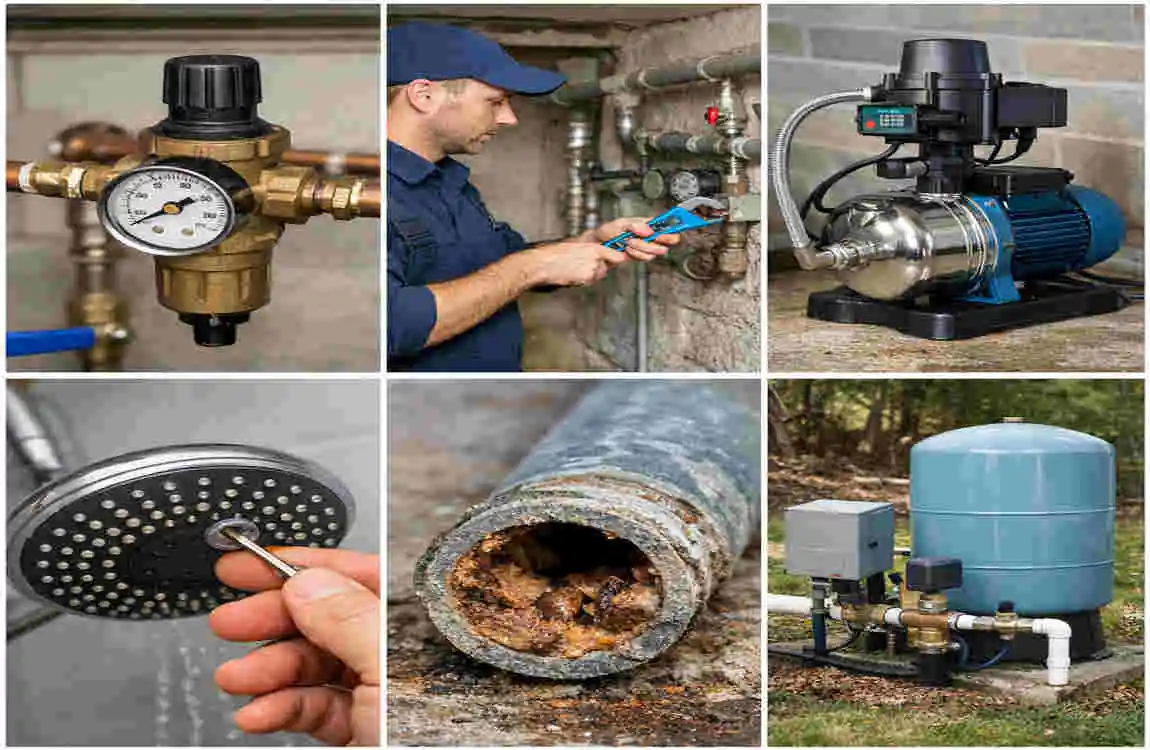
Low water pressure can make simple daily tasks feel annoying fast. A shower feels weak. A sink takes forever to fill. A washing machine seems slower than it should be. If this sounds familiar, you may be trying to figure out how to increase your home’s water pressure in a way that lasts.
Water pressure is the force that pushes water through your pipes and out of your fixtures. When pressure is healthy, water moves smoothly and evenly. When it drops, everything starts to feel underpowered.
It also helps to know the difference between low water pressure and low water flow. They are related, but not the same. Low pressure means the force is weak. Low flow means less water is coming out, even if the pressure feels okay. In many homes, both problems appear together.
Why Older Homes Often Have Water Pressure Problems
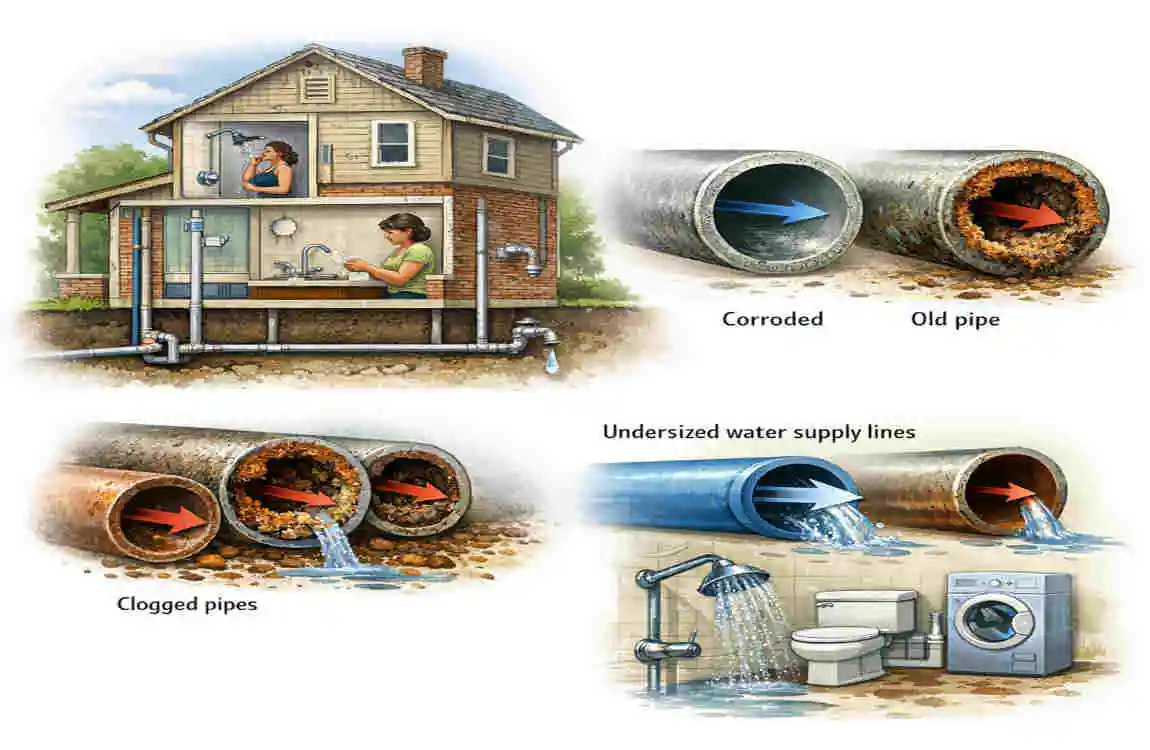
Older homes are more likely to have low pressure because rust, mineral buildup, or age may narrow pipes. Some older plumbing systems were also built for lower household demand than we expect today.
If your home is decades old, the plumbing may not be as efficient as it once was. That doesn’t always mean you need a major remodel, but it does mean the problem may run deeper than a dirty faucet.
Find the Main Cause of Low Water Pressure
Before you fix low water pressure, you need to find the cause. That is the most important step. Sometimes the issue is very small. Sometimes it is a plumbing problem that needs professional help.
Check Whether the Problem Affects One Fixture or the Whole House
Start by testing a few different fixtures. If only one faucet is weak, the problem is likely local. If the whole house feels weak, the cause may be bigger.
For example:
- One bad faucet may have a clogged aerator
- One shower may have mineral buildup
- The whole house may have a faulty valve or pipe issue
This simple check helps narrow down the problem quickly.
Check the Main Shutoff Valve
A partially closed main shutoff valve can restrict water coming into the home. This is one of the easiest problems to overlook.
The main valve is usually near:
- the water meter
- the basement
- a utility area
- where the main line enters the house
If the valve is not fully open, pressure can drop across the entire home. Check it carefully and make sure it is in the correct position.
Inspect Faucets and Showerheads
Sometimes the issue is not the plumbing system at all. It may just be buildup inside the fixture.
Minerals and debris can clog:
- faucet aerators
- showerhead holes
- internal fixture parts
When that happens, water comes out slowly even if the plumbing behind it is fine. Cleaning the fixture can make a big difference.
Look for Plumbing Leaks
Leaks can lower pressure because water escapes before it reaches the fixture. Some leaks are easy to spot. Others are hidden inside walls or under floors.
Watch for:
- damp spots
- water stains
- higher water bills
- dripping sounds
- wet ceilings or flooring
If you suspect a hidden leak, do not ignore it. A leak can waste water and also damage the home.
Consider Problems With the Municipal Water Supply
Sometimes the issue is outside your home. The city or water supplier may be doing maintenance, experiencing low supply pressure, or facing a temporary disruption.
If the problem starts suddenly and affects multiple neighbours too, the issue may not be inside your house at all. In that case, wait and monitor the supply.
Check for a Clogged Filter
Some homes have filters or water treatment systems that can slow water down when they get dirty. A clogged filter can reduce flow throughout the home.
If you use a filtration system, check the cartridge or filter media and replace it if needed. This small fix is often overlooked.
Simple Ways to Increase Water Pressure at Home
Once you know the cause, you can often improve pressure with a few simple steps. These fixes are easy, practical, and worth trying first.
Clean Clogged Faucet Aerators
Faucet aerators collect debris over time. They can also clog with mineral deposits, especially if your water is hard.
To clean one:
- Unscrew the aerator
- Rinse out the grit
- Soak it in vinegar if needed
- Reinstall it and test the flow
This small job often makes a noticeable difference.
Clean or Replace Showerheads
A showerhead can become blocked just like a faucet. If the holes are clogged, the water pressure feels weak even if the house pressure is fine.
Try soaking the showerhead in vinegar. If it is old or badly clogged, replacing it may be faster. A good showerhead can improve the feel of the water without changing the plumbing system.
Open the Main Shutoff Valve Completely
If the main valve is even slightly closed, pressure may drop across the home. Make sure it is fully open.
This is one of the first things to check when asking how to increase water pressure in your house. It is simple, fast, and often overlooked.
Replace Blocked Water Filters
Water filters are useful, but they need regular maintenance. When they get clogged, they can restrict flow.
If your home uses:
- whole-house filters
- under-sink filters
- softeners
- treatment cartridges
check them regularly. A fresh filter can quickly restore better water flow.
Repair Leaking Pipes
Leaks reduce pressure and waste water. Even a small leak can affect fixture performance if the loss is constant.
If you notice wet walls, mould, or a sudden pressure drop, repair the leak as soon as possible. This can protect both your plumbing and your home.
Remove Restrictions in Supply Lines
Sometimes flexible supply hoses or old fittings create a bottleneck. Kinks, bends, and mineral buildup can slow water down.
Check under sinks and behind toilets. Make sure hoses are not crushed, twisted, or damaged.
Improve Shower Water Pressure
If the shower is your biggest concern, start there. A few small changes can help:
- choose a showerhead designed for better flow
- remove mineral buildup
- check the shower valve
- make sure the line is not blocked
If the problem is more serious, consider a pressure-boosting shower system.
Improve Kitchen and Bathroom Faucet Pressure
Faucet pressure problems often stem from the smallest parts in the fixture.
Check:
- the aerator
- the supply valves
- the cartridge
- the flexible hoses
If one part is damaged or clogged, the whole fixture can feel weak.
Maintain Household Plumbing
Good pressure is easier to keep than to fix later. Regular maintenance helps you avoid bigger issues.
Try to:
- inspect fixtures often
- clean filters
- watch for leaks
- replace ageing parts before they fail
Small maintenance steps can save you from major pressure problems later.
Install Equipment to Boost Home Water Pressure
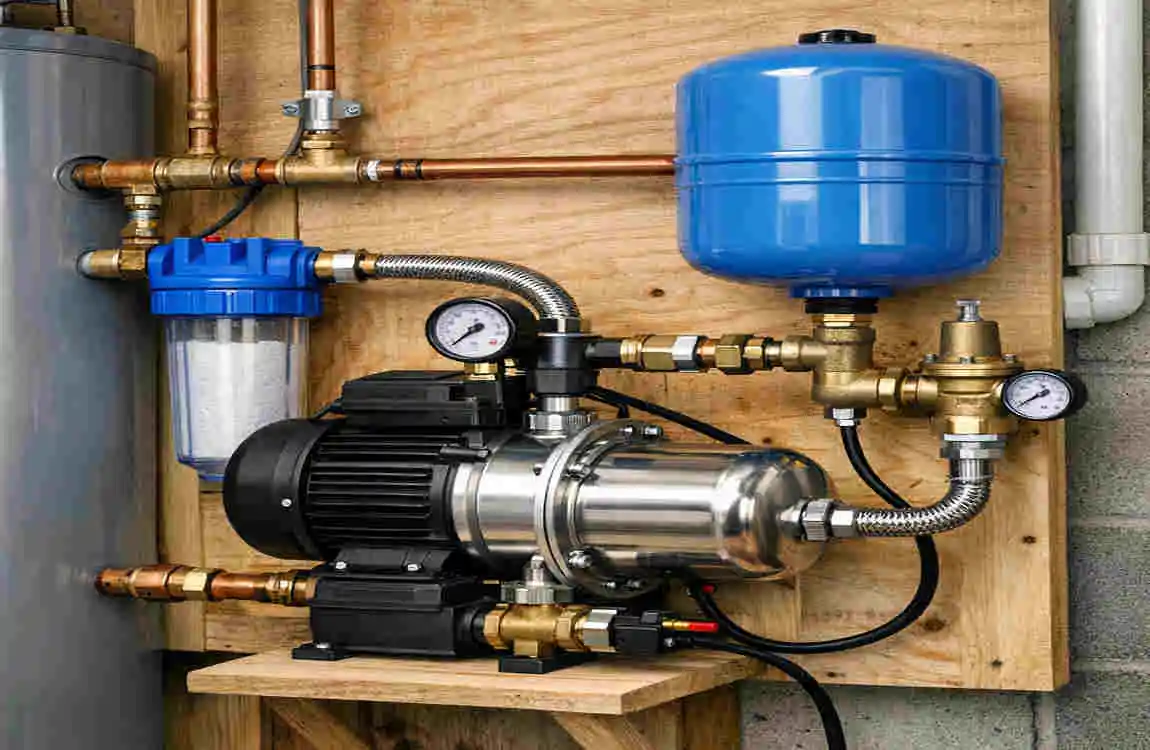
Sometimes cleaning and repairs are not enough. If your home naturally has low incoming pressure, you may need equipment that boosts the system.
Water Pressure Booster Pump
A booster pump increases water pressure by helping move water through your home more strongly. This is useful if the supply coming into the house is too weak.
A booster pump may help when:
- the whole house has low pressure
- multiple fixtures are weak
- upper floors get poor flow
- the incoming municipal pressure is low
The pump should be sized correctly for your home. A system that is too small will not help enough. A system that is too strong can cause other problems.
Pressure Regulator Adjustment or Replacement
Many homes have a pressure-reducing valve, also called a pressure regulator. This device controls how much pressure enters the house.
If it fails, water pressure may become too low or too inconsistent. Sometimes it can be adjusted. In other cases, you need to replace it.
Signs of a bad regulator include:
- pressure changes from room to room
- weak flow throughout the house
- pressure that suddenly drops or spikes
Because this part affects the whole plumbing system, professional help is often the safest choice.
Choosing the Right Water Pressure System
Not every home needs the same solution. The right system depends on:
- household size
- number of bathrooms
- number of people living there
- pipe size
- current pressure levels
- energy use
- how much water your home uses daily
A larger home with several bathrooms may need a stronger whole-house system. A smaller home may only need a simple fix or a smaller booster.
Professional Solutions for Persistent Low Water Pressure
If you have tried the simple fixes and the problem remains, a licensed plumber can help diagnose the underlying issue. This is especially important when the pressure problem is constant or affects the whole home.
When Pipe Replacement May Be Necessary
Old pipes can become narrow inside from corrosion or mineral buildup. Some homes also have supply pipes that are too small for modern demand.
Pipe replacement may be needed when:
- the plumbing is very old
- pressure keeps dropping
- the pipes are corroded
- repairs do not solve the problem
Modern plumbing materials often perform better and last longer than outdated piping.
Testing Home Water Pressure
A plumber can test your home pressure more accurately than most homeowners can. They often check:
- static pressure
- pressure at different fixtures
- pressure while multiple taps are running
This matters because a home may look fine at one faucet but fail under normal use. Accurate testing helps find the real cause.
Safety Considerations
Do not make risky plumbing changes if you are unsure what you are doing. Too much pressure can damage pipes and fixtures.
Be careful with:
- regulator settings
- pump installation
- pipe modifications
- system pressure limits
For bigger issues, professional work is the safest option.
How to Maintain Good Water Pressure Long Term
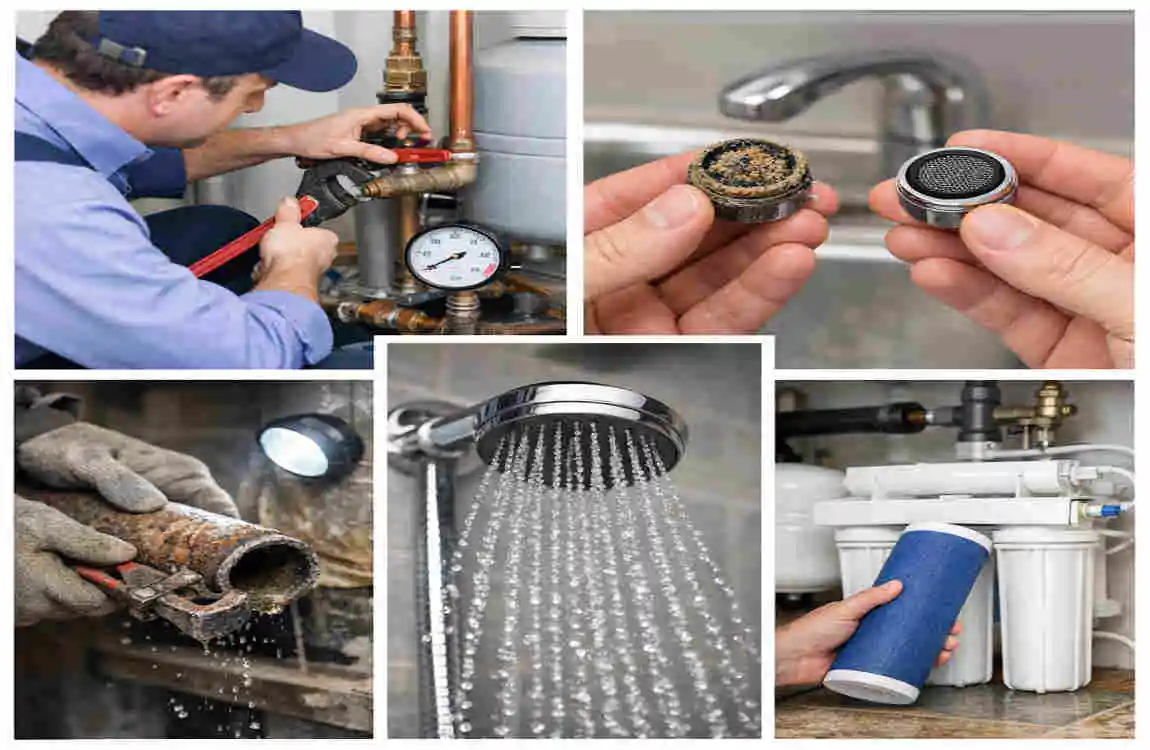
Once you fix the issue, keep the pressure strong with regular upkeep. This prevents the same problem from coming back later.
Seasonal Plumbing Maintenance
Seasons can affect plumbing more than many people realise. Check your system before extreme weather arrives.
Good seasonal habits include:
- inspecting supply lines
- checking valves
- watching for new leaks
- making sure filters are clean
If you notice pressure changes after seasonal weather, do not ignore them.
Prevent Future Water Pressure Problems
To avoid future issues:
- use quality fixtures
- repair leaks quickly
- replace worn parts early
- keep filters clean
- schedule occasional plumbing checks
A little attention goes a long way. Maintaining good pressure is much easier than rebuilding a failing system later.
FAQ About How to Increase Your Water Pressure in Your House
How can I increase my water pressure in my house?
Start with the basics. Check the main shutoff valve, clean faucet aerators, clean showerheads, replace clogged filters, and look for leaks. If the issue affects the whole house, a plumber may need to inspect the pressure regulator or pipes.
What causes low water pressure throughout a house?
Common causes include a partially closed valve, clogged pipes, leaks, a bad pressure regulator, or low municipal supply pressure. Old plumbing can also be a major factor.
How do I increase water pressure in my shower?
Clean the showerhead first. Then check the shower valve and make sure the line is not blocked. If the shower still feels weak, a pressure-boosting shower system may help.
Can a water pressure booster increase pressure in the whole house?
Yes, if it is the right system for your home. Booster pumps can improve whole-house performance when incoming pressure is too low.
Does cleaning a showerhead improve water pressure?
Yes. Mineral deposits and debris can block the openings and make the water feel weak. Cleaning the showerhead often helps right away.
Can a partially closed main valve cause low water pressure?
Yes. A partly closed main shutoff valve can reduce water flow to the entire home. This is one of the first things to check.
Is 40 PSI enough water pressure for a house?
For many homes, 40 PSI is usable, but it may still feel weak depending on the plumbing layout and fixture demand. The ideal level depends on the system.
| Method | How It Helps | Difficulty | Quick Tip |
|---|---|---|---|
| Clean Faucets & Showerheads | Removes mineral buildup that restricts flow | Easy | Soak fixtures in vinegar |
| Check Main Shutoff Valve | A partially closed valve can reduce pressure | Easy | Open it fully |
| Inspect Water Pipes | Corroded or clogged pipes can limit flow | Medium | Check older plumbing |
| Fix Leaking Faucets & Pipes | Leaks can reduce available water pressure | Medium | Repair leaks promptly |
| Install a Pressure-Boosting Pump | Increases water pressure throughout the home | Medium | Choose the right pump size |
| Add a Pressure Tank | Helps maintain more consistent water pressure | Medium | Useful with private wells |
| Replace Old Pipes | Newer pipes can improve water flow | High | Consider professional installation |
