

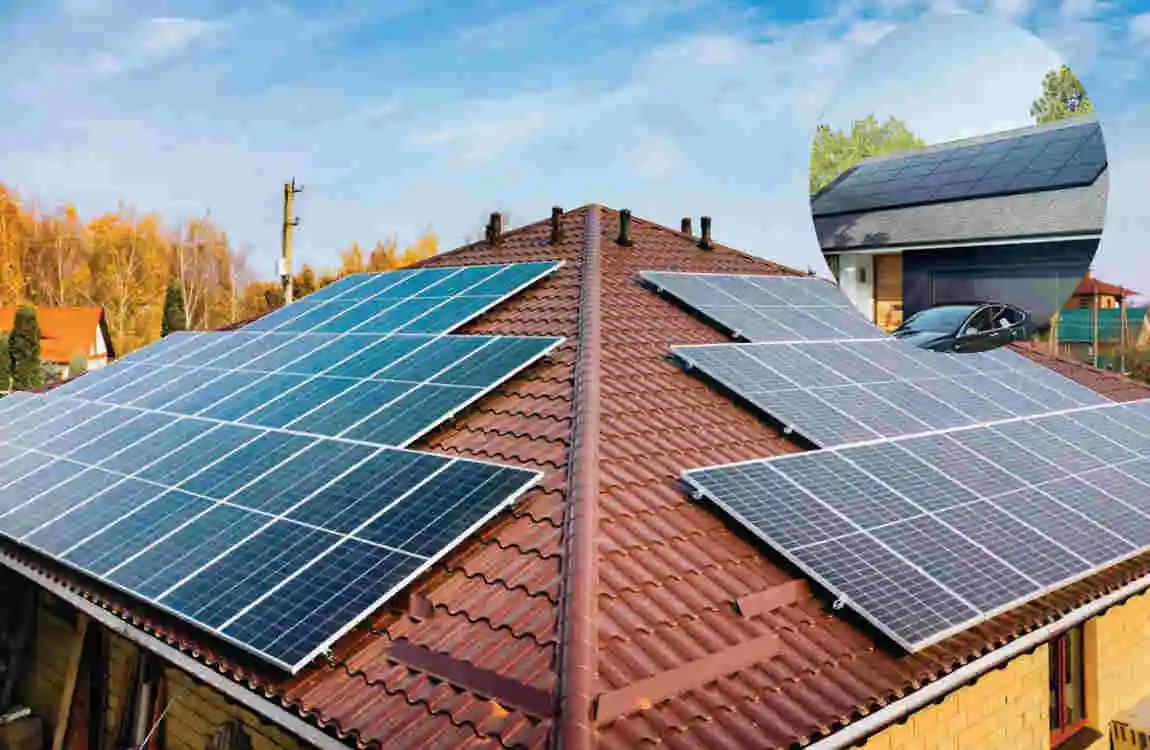
Solar panels have become an increasingly popular home improvement for homeowners who want to reduce electricity costs and use more renewable energy. But before making a major investment, it is natural to ask, “Is it worth getting solar panels on your house?”
For many homeowners, solar panels can provide meaningful long-term savings. However, the financial benefit depends on several factors, including your electricity usage, local electricity rates, available sunlight, roof condition, installation cost, incentives, financing, and how long you plan to live in the property.
Is It Worth Getting Solar Panels on Your House?
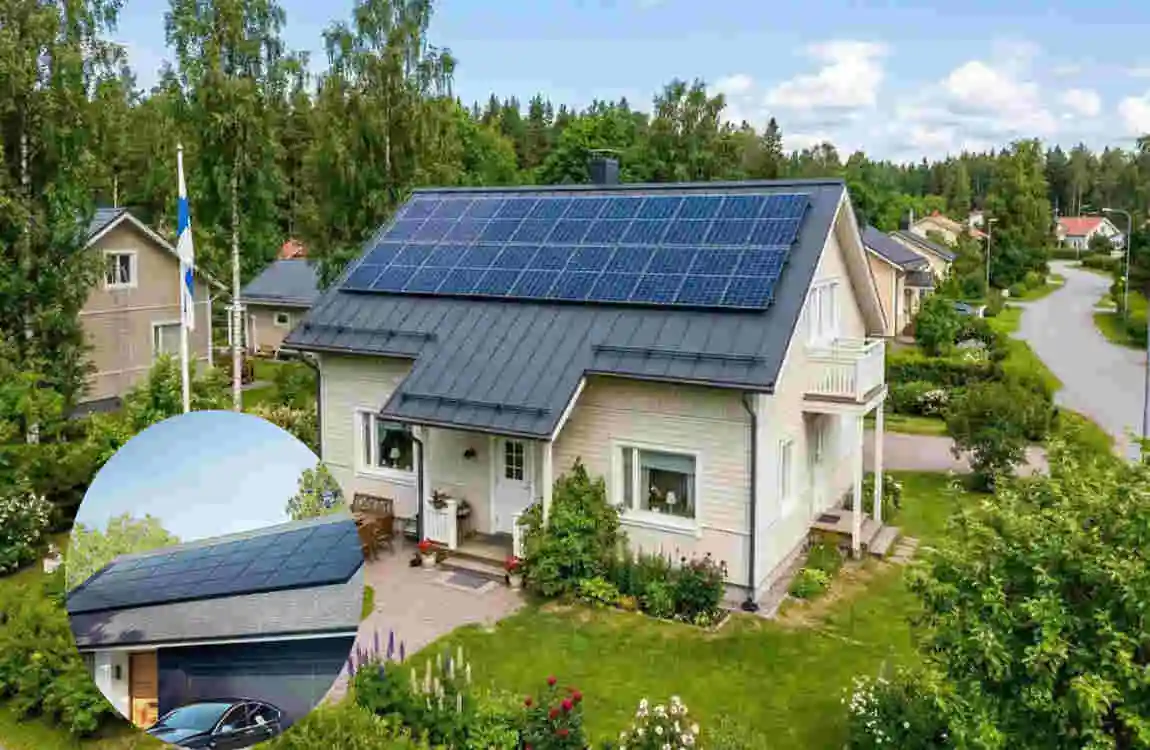
Yes, solar panels can be worth it for many homeowners, especially when a property receives good sunlight and the household uses a significant amount of electricity.
The basic idea is simple. You pay for the solar system upfront or through financing, and the panels generate electricity that can reduce the amount of electricity you need to buy from the grid.
Over time, those electricity savings can help recover the initial investment.
However, every property is different. A system that works financially for one homeowner may not make sense for another.
When Solar Panels Are Usually Worth It
Solar tends to make more sense when your home has:
- Good sunlight exposure with limited shade
- A suitable roof in good condition
- Relatively high electricity bills
- Significant daytime or overall electricity use
- Favorable local electricity rates
- Available incentives or rebates
- Plans to remain in the home for several years
If several of these conditions apply to your property, it is worth getting personalized solar quotes and comparing the numbers.
When Solar May Not Be Worth It
Solar may require more careful consideration if your home has heavy roof shading or needs a roof replacement soon.
It may also be less attractive if you use very little electricity or plan to move shortly after installation.
High installation costs and expensive financing can also reduce the financial benefit.
The important point is to look at your own numbers rather than relying on a general claim that solar is always a good investment.
How Much Do Home Solar Panels Cost?
Average Solar Panel Installation Costs
The cost of a residential solar system depends on its size and the equipment required.
A larger household usually needs a larger system, which means more panels, mounting equipment, wiring, and installation work.
The total price can also be affected by roof design, accessibility, electrical work, permits, labor, and local installation conditions.
Because solar prices vary by region and installer, homeowners should obtain current quotes rather than relying on a single general figure.
What Is Included in a Solar Installation?
A typical residential solar installation can include:
- Solar panels
- Inverter or inverters
- Mounting equipment
- Electrical wiring
- Installation labor
- Monitoring equipment
- Permits and inspections where required
The quotation should clearly explain what is included.
Do not compare two solar proposals based only on the total price. Check the system size, expected production, equipment, warranties, installation work, and financing terms.
Solar Panel Cost by System Size
System SizeTypical UseEnergy ProductionMain Cost Factors
Small system Lower electricity use Lower Fewer panels and simpler installation
Medium system Average household use Moderate Equipment, roof size, labor
Large system High electricity use Higher More panels, equipment and installation
Large + battery High use and backup needs Higher + storage Battery and additional electrical work
The actual energy production depends on location, sunlight, panel orientation, shading, weather, and system design.
Solar Batteries and Additional Costs
A battery is not automatically required with a solar system.
Solar panels generate electricity primarily when sunlight is available. A battery can store some of that energy for later use, such as during the evening or during certain outages, depending on the system.
The major advantage is greater energy independence.
The downside is additional cost. If your main goal is to reduce electricity bills, you should compare the expected financial benefit of a battery with the additional purchase and installation costs.
How Much Can Solar Panels Save You?
Reducing Your Monthly Electricity Bill
Solar panels generate electricity at your property, reducing the amount you need to purchase from your utility.
The more electricity your system can generate and the more valuable that electricity is under your local utility rules, the greater your potential savings can be.
For example, a household with high electricity consumption may have more opportunity to benefit than a household that uses very little energy.
Factors That Affect Solar Savings
Your potential savings depend on:
- Electricity rates
- Household energy consumption
- Solar system size
- Roof orientation
- Sun exposure
- Local climate
- Shade
- Utility policies
- Financing costs
- Available incentives
This is why two homes with identical solar panels can have very different financial results.
Long-Term Solar Savings
Solar savings should be considered over many years rather than only looking at the first month.
You can consider potential savings over 10, 20, or 25 years while also accounting for system maintenance, financing costs, equipment replacement, and changes in electricity prices.
It is important to distinguish between gross electricity savings and actual financial savings after accounting for the cost of installing and financing the system.
How Long Does It Take for Solar Panels to Pay for Themselves?
Understanding the Solar Payback Period
The payback period is the estimated time required for your solar savings to equal your initial investment.
A simple calculation is:
Total Solar Investment ÷ Annual Energy Savings = Estimated Payback Period
For example, if a hypothetical solar system costs $20,000 and produces $2,000 in annual electricity savings:
$20,000 ÷ $2,000 = 10 years
This is only an example. Real solar savings can change because electricity rates, production, maintenance, incentives, and financing costs vary.
What Can Shorten the Payback Period?
Several factors can improve the payback calculation.
Lower installation costs mean you have less money to recover. Higher electricity prices can increase the value of the electricity your system generates.
Strong sunlight can also improve production.
Other factors include applicable incentives and your household’s electricity consumption.
Why Payback Periods Differ by Home
There is no single payback period that applies to every homeowner.
Your roof, electricity usage, utility company, local regulations, system price, and financing structure all matter.
For that reason, avoid making a decision based entirely on a national average. Ask installers for a property-specific production and savings estimate.
Do Solar Panels Increase Home Value?
How Solar Can Add Value to a Property
Solar panels can make a property more attractive to some buyers because they may offer lower operating costs and renewable energy generation.
An owned solar system can also be presented as an energy-efficient feature when selling the property.
However, the effect on resale value depends on the local housing market, the system’s condition, the ownership structure, and buyer preferences.
Owned vs. Financed vs. Leased Solar Panels
Ownership structure can become important when you sell your home.
If you own the solar system outright, it may be easier to include it in the property sale.
A financed or leased system may have an agreement that needs to be explained to the buyer. The buyer may need to understand the remaining payments or contractual terms.
Before installing solar, understand how the arrangement could affect a future property sale.
Are Solar Panels a Good Home Investment?
Solar can be a valuable home improvement because it combines a practical function with potential long-term savings.
However, you should compare it with other improvements in line with your personal goals.
If your main objective is reducing electricity costs, calculate your expected energy savings first. If your goal is improving the home’s appeal, consider how solar fits into your local property market.
What Are the Main Benefits of Home Solar Panels?
Lower Electricity Costs
One of the biggest reasons homeowners install solar is to reduce dependence on purchased electricity.
Instead of getting all your electricity from the grid, you can generate part of your household’s energy directly from sunlight.
Over time, this can reduce electricity expenses when the system is properly sized, and the local utility arrangement supports the expected savings.
Greater Energy Independence
Solar gives you greater control over where some of your electricity comes from.
A battery can increase that independence by storing energy for later use.
This can be particularly useful for homeowners who want more control over their household energy use, although battery storage adds to the initial investment.
Renewable Energy and Environmental Benefits
Solar energy uses sunlight rather than directly burning fossil fuels to produce electricity.
Generating more electricity from renewable sources can reduce the carbon emissions associated with household energy consumption, although the overall environmental impact depends on the entire energy system and equipment lifecycle.
Potential Increase in Property Appeal
Energy-efficient features can appeal to buyers who care about ongoing household costs and sustainability.
Solar panels may therefore become another feature that helps distinguish a property, although they should not be viewed as a guaranteed increase in selling price.
What Are the Disadvantages of Solar Panels?
High Upfront Cost
The biggest concern for many homeowners is the initial investment.
Even though solar can yield savings over time, you still need to pay for the equipment and installation upfront, through financing, or through another arrangement.
Financing can reduce the upfront burden, but interest and other financing costs should be included when calculating the true cost.
Roof and Property Limitations
Not every roof is ideal for solar.
Potential challenges include:
- Heavy shading
- Poor roof orientation
- Limited roof space
- An aging roof
- Structural concerns
- Complex roof designs
If your roof is nearing the end of its useful life, replacing it before installing solar may make more sense than removing and reinstalling the panels later.
Maintenance and Repairs
Solar systems generally do not require extensive routine maintenance, but they are not completely maintenance-free.
Panels may need cleaning in certain environments, and system performance should be monitored.
The inverter and battery can also have different service lives from the solar panels, meaning replacement costs should be considered when planning for the long term.
Solar Production Depends on Sunlight
Solar production changes throughout the day and year.
Clouds, storms, shade, seasonal sunlight, and panel orientation can affect output.
Solar panels can still generate electricity in cloudy conditions, but output is generally lower than under strong sunlight.
How Long Do Home Solar Panels Last?
Typical Solar Panel Lifespan
Quality solar panels are designed to produce electricity for decades.
However, they gradually lose some production capacity over time. This is known as degradation.
That means an older panel may still generate electricity but at a somewhat lower output than when it was new.
Solar Inverter Lifespan
The inverter is another important part of a solar system.
Its job is to convert the electricity generated by the panels into a form that household appliances can use.
Inverters can have a different service life from the panels, so homeowners should review inverter warranties and potential replacement costs.
Maintaining Solar Panels for Long-Term Performance
You can help maintain performance by keeping the panels reasonably clean, monitoring system output, and promptly addressing any damage or unusual performance.
Professional inspections may be useful when problems occur or when the system requires specialist attention.
What Should You Consider Before Installing Solar Panels?
Evaluate Your Electricity Usage
Start by reviewing your recent electricity bills.
Look at both monthly and seasonal consumption. Understanding how much electricity your household actually uses will help you determine the appropriate system size.
Do not simply install as many panels as possible. The right system should match your energy needs, roof capacity, budget, and local rules.
Check Your Roof
Before installation, assess the roof’s:
- Age
- Condition
- Size
- Orientation
- Shade exposure
- Structural suitability
If the roof needs major repairs soon, deal with those issues before installing solar.
Compare Solar Quotes
Get several proposals rather than choosing the first installer.
When comparing quotes, consider system size, expected annual production, equipment, warranties, installation costs, financing, and projected savings.
A cheaper quote is not necessarily better if it uses unsuitable equipment or provides significantly lower expected production.
Understand Your Local Solar Rules and Incentives
Solar incentives, utility programs, connection rules, and regulations vary by location.
These programs can also change over time.
Before signing a contract, verify the current rules and incentives that apply to your property.
Solar Panels vs. Traditional Grid Electricity
FactorSolar PanelsTraditional Grid
Upfront Cost Higher Usually lower
Monthly Electricity Cost Potentially lower Ongoing
Energy Source Renewable Depends on utility mix
Maintenance Generally low No homeowner solar system maintenance
Energy Independence Higher Lower
Long-Term Savings Potentially significant Depends on electricity prices
Solar requires an investment, while traditional grid electricity generally requires less upfront spending.
The better option depends on your electricity costs, property, financial situation, and long-term plans.
Are Solar Panels a Good Investment for Every Home?
Homes That Are Good Candidates
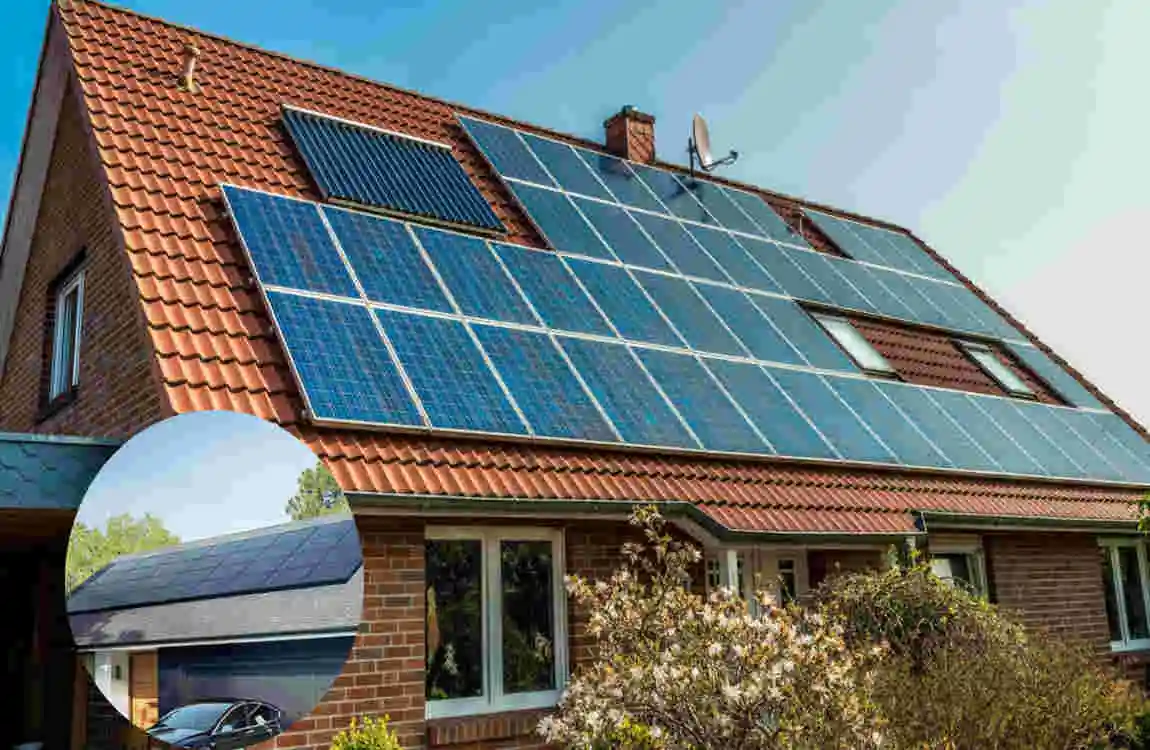
Solar may be particularly suitable for homes with good sunlight exposure, limited shading, reasonable electricity consumption, and a roof that is in good condition.
It can also make more sense for homeowners planning to remain in their property for a longer period.
Homes That May Need More Consideration
You should carefully evaluate solar if your home has heavy shade or a roof that needs replacement.
It may also require additional consideration if your electricity use is very low or you expect to sell your home soon.
How to Decide Based on Your Own Numbers
Use a simple process:
- Calculate your annual electricity costs.
- Get several solar quotes.
- Estimate annual solar production.
- Subtract applicable incentives or savings.
- Estimate your payback period.
- Consider how long you expect to own the home.
This gives you a much clearer picture than simply asking whether solar is generally worthwhile.
Simple Example of a Solar Investment
Consider this hypothetical example, not a universal solar price.
Suppose a homeowner pays $18,000 for a solar installation and expects the system to save approximately $1,800 per year on electricity.
The simple payback calculation would be:
$18,000 ÷ $1,800 = 10 years
After the simple payback period, the system could continue generating electricity and potentially produce additional savings.
However, real-world calculations should also consider financing, maintenance, changes in electricity prices, incentives, system degradation, and other costs.
Frequently Asked Questions About Home Solar Panels
Is it worth getting solar panels on your house?
Solar panels can be worthwhile when your property receives good sunlight, and the expected long-term electricity savings justify the installation cost.
Your electricity rates, energy consumption, roof condition, financing, incentives, and ownership period all affect the final decision.
How much do solar panels cost for a house?
Home solar panel costs vary depending on system size, equipment, labor, roof design, location, installation requirements, and whether you add battery storage.
The best way to determine your actual cost is to request several property-specific quotes.
How much money can solar panels save?
Savings depend mainly on your electricity consumption, utility rates, system size, solar production, and local utility policies.
A household with high electricity use and good solar exposure may have greater savings potential than a low-use household with a heavily shaded roof.
How many years does it take for solar panels to pay for themselves?
The payback period varies from property to property.
A basic calculation is:
Solar Investment ÷ Annual Solar Savings = Estimated Payback Period
For an accurate estimate, include installation costs, incentives, financing costs, and expected electricity savings.
Do solar panels increase the value of a house?
An owned solar system may make a home more appealing by providing renewable electricity and potentially reducing operating costs.
However, the effect on property value varies by location, market conditions, system ownership, and buyer preferences.
Do solar panels work during cloudy weather?
Yes. Solar panels can still produce electricity on cloudy days because some sunlight reaches the panels.
However, electricity production is generally lower than during bright, sunny conditions.
| Factor | Quick Information |
|---|---|
| Installation Cost | Depends on system size, location, equipment, and installation complexity. |
| Energy Savings | Solar panels can significantly reduce monthly electricity bills by generating power at home. |
| Long-Term Value | A well-designed solar system may improve energy efficiency and potentially increase home appeal. |
| Payback Period | Often takes several years, depending on installation cost, electricity rates, sunlight, and energy use. |
| Maintenance | Generally low; panels mainly need periodic cleaning and basic inspections. |
| Best For | Homeowners with suitable roof space, good sunlight, and high or rising electricity costs. |
| Key Consideration | Compare the upfront cost with expected lifetime savings before investing. |
