


Hey there, homeowner! Picture this: It’s a brutal winter night, and you’re cozy inside, relying on your gas furnace to keep the chill at bay. But what if something goes wrong with those hidden gas lines snaking through your home? Gas line safety isn’t just a buzzword—it’s a must-know for keeping your family safe and your home running smoothly.
You might be wondering, can gas lines freeze in a house? It’s a question that pops up more often than you’d think, especially during those deep freezes that hit parts of the country. Freezing gas lines aren’t as common as iced-over driveways, but they can happen, leading to everything from minor annoyances to serious dangers.
What Are Gas Lines and How Do They Work?
Let’s start with the basics, shall we? Gas lines are like the invisible highways that deliver fuel right to your doorstep, powering everything from your stove to your water heater. Without them, modern homes would grind to a halt.
In simple terms, residential gas lines carry fuel from a main supply source—usually from the street or a tank—straight into your house. They ensure your appliances get the energy they need without a hitch. Think of them as the unsung heroes behind that warm shower or delicious home-cooked meal.
Types of Gases Used in Homes
Not all gas is created equal. Most homes use natural gas, which comes from underground reserves and is piped in by utility companies. It’s clean-burning and efficient, making it a popular choice in cities and suburbs.
On the flip side, if you live in a rural area, you might rely on propane. This comes in tanks and is great for off-grid setups. Propane is a bit denser than natural gas, so it requires different handling, but both can face similar winter challenges. Which one do you have in your home? Knowing this helps you tailor your safety game plan.
Key Components of Gas Line Systems
Gas lines aren’t just pipes—they’re a whole system. At the heart is the meter, that box outside your house that tracks usage. Then there are regulators, which control pressure so the gas flows safely without overwhelming your appliances.
Inside, pipes weave through walls and floors, connecting to things like furnaces or dryers. Valves act as emergency shut-offs, giving you control in a pinch. It’s all designed for reliability, but like any setup, it needs care to avoid issues.
Why Proper Installation and Maintenance Matter
Imagine installing a gas line wrong—yikes! Professional installation ensures everything meets safety codes, preventing leaks or weak spots. Maintenance? That’s your ongoing job. Regular checks catch problems early, saving you from headaches down the road.
Don’t skip this, reader. A well-maintained system not only works better but also lasts longer. Have you scheduled your annual inspection yet? It’s a small step that packs a big punch for peace of mind.
Can Gas Lines Freeze in a House? Debunking Myths and Facts
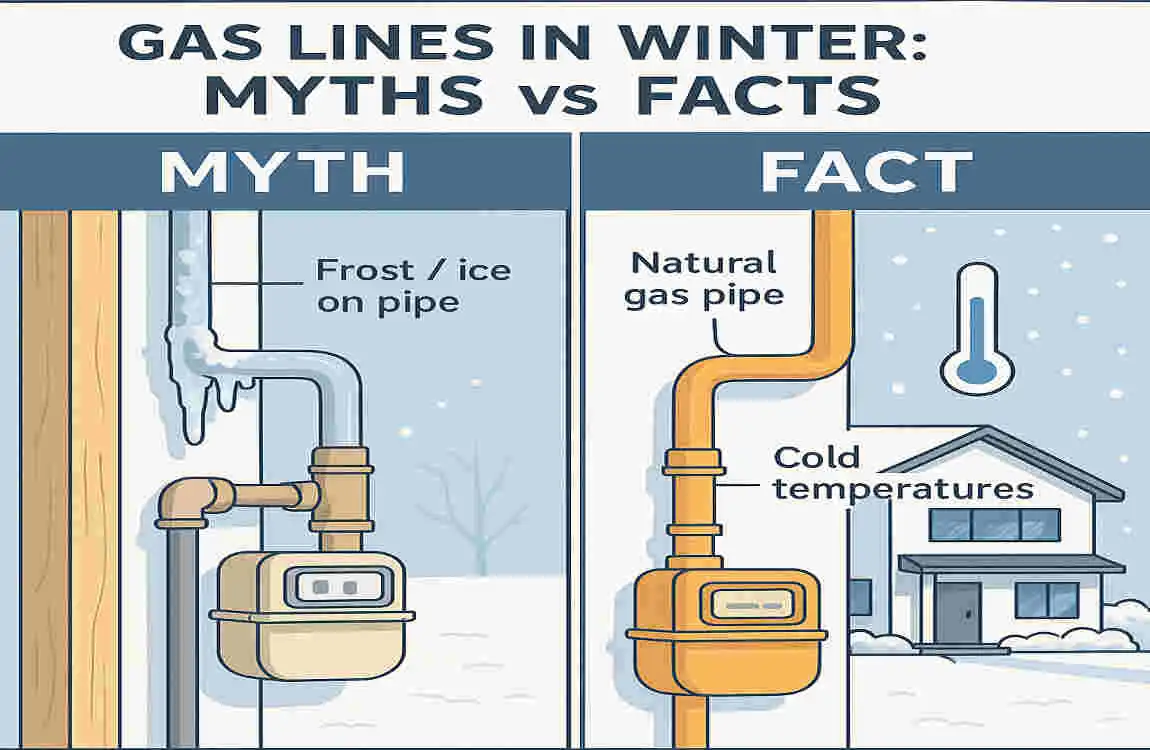
Alright, let’s tackle the big question head-on: Can gas lines freeze in a house? The short answer is yes, but it’s not as straightforward as water pipes turning to ice. Gas itself doesn’t freeze easily—natural gas stays gaseous down to about -260°F, way colder than any winter you’ll see. So, what’s the deal?
Freezing in gas lines usually involves moisture sneaking in and turning to ice, blocking the flow. It’s more about condensation or water buildup than the gas freezing solid. This can happen in extreme conditions, disrupting your home’s supply.
The Science Behind Gas Line Freezing
Here’s the science in bite-sized pieces: Gas lines carry pressurized fuel, but if water vapor gets inside—maybe from a tiny leak or humid air—it can condense and freeze when temps drop. This ice clogs regulators or narrow pipes, starving your appliances of gas.
Think of it like a straw with ice cubes jammed in—nothing gets through. Studies from the American Gas Association show this is rare but possible in prolonged sub-zero weather. Fascinating, right? It all boils down to physics and a bit of bad luck.
Underground vs. Aboveground Pipes: Who’s at Risk?
Location matters a ton. Underground pipes are buried deep, often below the frost line, so they’re pretty safe from freezing. The earth acts like a natural blanket, keeping things stable.
But aboveground piHere’s the science in bite-sized pieces: Gas lines carry pressurized fuel, but if water vapor gets inside—maybe from a tiny leak or humid air—it can condense and freeze when temperatures drop.ey’re the ones whispering, “Protect me!”
Temperature Thresholds and Environmental Factors
Freezing risks spike when temps dip below 20°F for days, especially with wind chill. Add in high humidity, and you’ve got a recipe for trouble. Moisture loves to condense in cold spots, forming ice.
Experts from the National Fire Protection Association note that coastal areas with damp air see more issues. Is your region prone to this? Check local weather patterns to gauge your risk.
Condensation on the outside can signal internal problems too. Pros recommend venting systems to keep things dry. Ever noticed dew on your pipes? That’s your cue to investigate.
Expert Opinions on Gas Line Freezing
Plumbers and gas pros agree: Freezing isn’t a myth, but it’s preventable. A study by the Gas Technology Institute found that 90% of incidents tie back to neglected maintenance. One expert I spoke with said, “Homeowners underestimate moisture—it’s the real freeze culprit.” What do you think—ready to bust your own myths?
Conditions That Increase the Risk of Gas Line Freezing
Winter can be tough on your home, and certain setups make freezing more likely. Let’s break it down so you can spot risks in your own place.
Extreme cold is the obvious one. Condensation on the outside can signal internal problems, too. Insulated lines feel the strain. But it’s not just temperature—wind and snow pile on the pressure.
The Impact of Poor Insulation
Exposed or poorly insulated lines are sitting ducks. Without that protective wrap, cold seeps in fast, inviting ice formation. Imagine your pipes shivering without a coat— not ideal!
Humidity and Moisture Buildup
High humidity means more water vapor in the air, which can infiltrate pipes. In damp basements or attics, this is a big red flag. Keep things dry, and you’ll slash the risk.
Inactivity and Low Gas Flow
If you don’t use your gas much—like in a vacation home—stagnant lines collect moisture. Low flow doesn’t push out condensation, leading to freezes. Fire up those appliances occasionally!
Aging Pipes and Leaks
Old infrastructure wears out, developing leaks that let in air and water. A small drip today could mean a big freeze tomorrow. How old are your lines? Time for a check-up?
Signs of a Frozen or Damaged Gas Line
Spotting trouble early can save the day. Don’t ignore these clues—they’re your home’s way of saying, “Help!”
First up: Reduced gas flow. If your stove’s flame is weak or your heater isn’t warming up, freezing might be blocking the line.
Strange Smells or Sounds
That rotten-egg odor? It’s added to gas for safety—sniff it, and act fast. Hissing sounds near pipes could mean a leak from ice damage.
Visible Frost or Ice
Look outside: Frost on pipes or meters screams freezing. It’s not normal, so investigate.
Appliance Issues
Furnaces failing to ignite or pilots going out? These malfunctions often trace back to frozen lines. Test yours regularly.
Keep an eye out, reader. Noticing these signs could prevent a disaster—what have you seen in your home?
Safety Hazards of Frozen Gas Lines
Frozen lines aren’t just inconvenient—they’re dangerous. Let’s talk about why you should take this seriously.
The biggest threat? Gas leaks. Ice can crack pipes, letting fuel escape. One spark, and boom—explosion risk.
Fire and Explosion Dangers
Compromised lines near ignition sources like pilot lights spell fire hazard. It’s rare, but when it happens, it’s catastrophic. Stay vigilant!
Health Risks from Inhalation
Leaking gas displaces oxygen, causing headaches, dizziness, or worse. Carbon monoxide from incomplete burning is sneaky and deadly.
Emergency Scenarios
Picture a burst line during a storm—power out, no heat, and potential poisoning. These scenarios highlight why prevention beats cure. Scary stuff, huh? Let’s prevent it together.
Essential Home Safety Tips to Prevent Gas Lines from Freezing
Good news: You can fight back against freezing with smart strategies. Let’s make your home winter-proof.
Start with insulation. Wrap exposed pipes in foam sleeves or fiberglass—it’s like giving the compromised lines near ignition sources like pilot lights spell a fire hazard. weather stripping. This keeps cold and moisture out.
Regular Maintenance Schedules
Inspect lines twice a year. Clean vents and check for corrosion—simple steps pay off big.
Reducing Moisture and Condensation
Install dehumidifiers in damp areas. Ensure good ventilation to whisk away humid air.
Using Heat Tape and Warming Cables
For vulnerable spots, heat tape gently warms pipes. Plug it in during cold snaps—easy peasy.
Clearing Snow and Ice
Shovel snow away from lines and meters. Don’t let buildup trap cold against them.
Professional Inspections
Before winter, call a pro. They’ll spot issues you might miss. Ready to book one?
Here’s a quick list of must-have tools for these tips:
- Insulation foam: Affordable and easy to apply.
- Heat tape: Electric cables for targeted warming.
- Dehumidifier: Keeps basements dry.
- Weather seals: Blocks drafts around plumbing pipes.
What to Do If You Suspect a Frozen Gas Line
Suspect a freeze? Stay calm and act smart. First, ventilate the area—open windows to let fresh air in.
Avoid anything that could spark: No smoking, no flipping switches. Safety first!
Shutting Off the Gas Supply
Locate your main shut-off valve (usually at the meter) and turn it off clockwise. Practice this now so you’re ready.
What NOT to Do
Never use open flames to melt ice—that’s a recipe for disaster. Skip DIY unless you’re qualified. Trust the experts, okay?
Winter Preparation Checklist for Gas Lines and Appliances
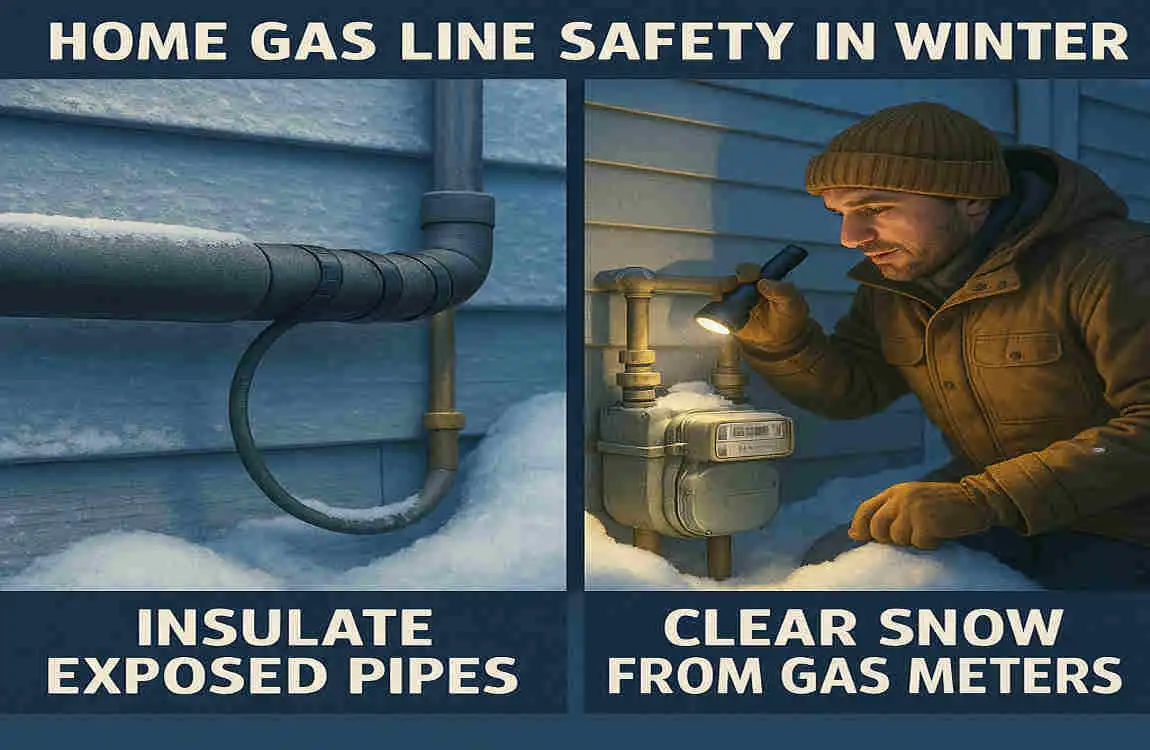
Get ahead of winter weather seals: Block drafts around pipes. and check off as you go!
Inspecting Gas Appliances
Test heaters, stoves, and water heaters. Look for weak flames or odd noises.
Checking Pipe Insulation
Examine all exposed pipes—replace worn insulation promptly.
Scheduling Professional Help
Book a winter inspection early. Pros can pressure-test lines for peace of mind.
For a visual guide, here’s a simple table of your winter prep steps:
| 1. Appliance Check | Test all gas devices for proper function | Monthly | Catches malfunctions early |
| 2. Insulation Audit | Wrap or replace pipe coverings | Annually before winter | Prevents freezing from exposure |
| 3. Moisture Control | Use dehumidifiers in damp areas | As needed | Reduces condensation risks |
| 4. Professional Inspection | Hire a licensed tech | Annually | Spots hidden issues like leaks |
| 5. Snow Clearance | Remove buildup around meters | After storms | Avoids trapped cold and ice |
Follow this, and you’ll sleep easier through the cold months. How many have you done already?
Myths and Common Misconceptions About Gas Line Freezing
Myths abound—let’s clear the air. One biggie: “Gas lines never freeze.” Not true! As we’ve seen, moisture makes it possible.
Another: “All freezes cause leaks.” Nope—many just block flow without damage, but ignoring them can lead to worse.
Experts from the Pipeline and Hazardous Materials Safety Administration clarify: Freezes are fixable if caught early. Don’t believe the hype—facts over fiction.
Additional Resources and Tools for Gas Line Safety
Arm yourself with the best. For insulation, try products like Frost King’s pipe wrap—reliable and user-friendly.
Check out authoritative sites: The American GasFollow this, and you’ll sleep more easily through the cold months.ten offers safety tips too.
Apps like GasBuddy monitor usage, while home safety tools from Nest detect leaks. Dive in—these resources are gold!
