


Imagine coming home to a spacious, stylish, and personalized house that perfectly reflects your taste and meets your family’s needs. Building a big house is an exciting journey that allows you to create a living space that truly feels like home design. However, embarking on such a project requires careful planning and consideration of various factors.
Understanding Your Vision for a Big House
Identifying Your Style and Lifestyle Needs
Before you start sketching floor plans or choosing materials, take some time to reflect on your personal style and lifestyle requirements. Do you prefer the sleek lines of modern architecture, the warmth of traditional design, or the simplicity of minimalism? Your style choice will significantly influence the size and layout of your big house.
Consider your daily routines and the activities you enjoy. How many bedrooms do you need? Do you require a dedicated workspace or an entertainment area? Don’t forget to think about outdoor spaces, such as a garden or patio, which can extend your living area and enhance your lifestyle.
Assessing Space Requirements
When planning how to make a big house, it’s crucial to assess your space requirements carefully. Start by listing the essential rooms and their approximate sizes. For example, if you have a large family, you may need more bedrooms and bathrooms. If you love hosting gatherings, consider a spacious living room or a separate entertainment area.
Remember to account for future needs as well. Will your family grow in the coming years? Do you plan to work from home or start a home-based business? By anticipating these changes, you can design a big house that adapts to your evolving lifestyle.
Planning and Designing Your Big House
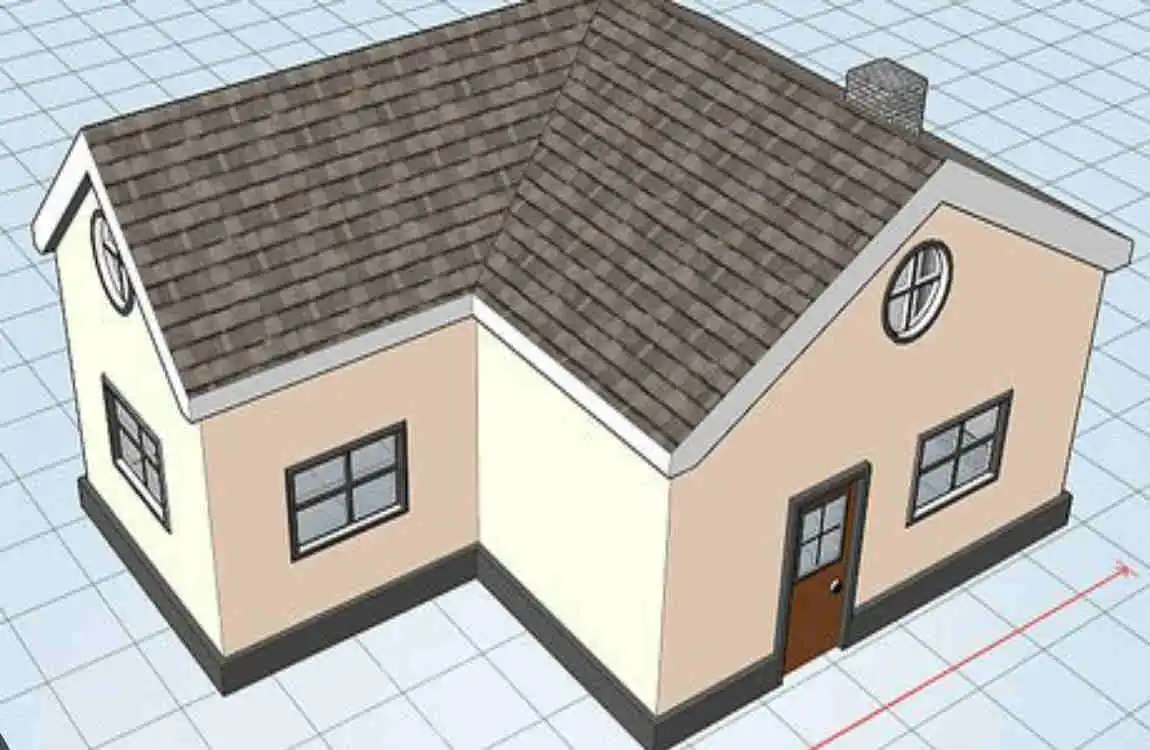
Choosing the Right Architectural Style
Once you have a clear vision of your style and space requirements, it’s time to choose the right architectural style for your big house. Whether you’re drawn to the elegance of colonial architecture, the rustic charm of a farmhouse, or the contemporary flair of a modern design, selecting a style that resonates with you is essential.
Consider how each style influences the overall layout, room sizes, and exterior appearance of your home. For instance, a traditional style may feature formal living and dining areas, while a modern design might prioritize open-concept living spaces. By aligning your architectural style with your personal taste, you’ll create a big house that feels authentic and inviting.
Working with Architects and Designers
Building a big house is a complex undertaking that often requires the expertise of architects and designers. These professionals can help you translate your vision into a functional and aesthetically pleasing design. When working with them, be prepared to share your ideas, preferences, and budget constraints openly.
Expect to go through several rounds of revisions as you refine the design of your big house. Your architect or designer will create detailed floor plans, elevations, and 3D renderings to help you visualize the final result. They’ll also ensure that your design complies with local building codes and zoning regulations, saving you from potential headaches down the road.
Creating a Functional Floor plan
One of the key challenges when making a big house is creating a floor plan that maximizes space and promotes a smooth flow between rooms. Start by identifying the primary function of each area and how they relate to one another. For example, you may want to place the kitchen near the dining and living areas for easy entertaining.
Consider the traffic patterns within your big house and how people will move from one space to another. Wide hallways and strategically placed doorways can help prevent bottlenecks and create a sense of openness. Don’t forget to allocate space for storage, as a well-organized home is essential for maintaining a clutter-free environment.
Importance of Flow and Natural Light
In a big house, the flow between rooms and the abundance of natural light can significantly impact the overall feel and functionality of the space. Aim to create a layout that allows for seamless transitions between living areas, making your home feel connected and inviting.
Maximize the use of windows and skylights to bring in as much natural light as possible. Not only does this create a bright and airy atmosphere, but it also helps reduce your reliance on artificial lighting, saving energy and money in the long run. Consider the orientation of your big house and how the sun’s path will affect the light throughout the day.
Using Design Software or Apps
In today’s digital age, numerous design software and apps can help you visualize and refine your big house plans. These tools allow you to create 3D models, experiment with different layouts and materials, and even take virtual tours of your future home.
By using design software, you can make informed decisions about how to make a big house that meets your needs and preferences. You can easily modify elements like room sizes, window placements, and interior finishes, ensuring that every detail aligns with your vision. Some apps even allow you to collaborate with your architect or designer in real-time, streamlining the design process.
Tips on Incorporating Sustainable and Smart Home Features
As you plan your big house, consider incorporating sustainable and smart home features that can enhance your living experience while minimizing your environmental impact. For example, you might opt for energy-efficient appliances, solar panels, or a geothermal heating and cooling system to reduce your carbon footprint and save on utility bills.
Smart home technology can also add convenience and Security to your big house. From automated lighting and temperature control to integrated Security systems and home automation hubs, these features can simplify your daily life and provide peace of mind. Discuss your options with your architect or designer to determine which sustainable and smart home solutions best suit your needs and budget.
Budgeting and Financing a Large Home Build
Understanding Cost Factors Specific to Big Houses
Building a big house comes with unique cost considerations that you should be aware of as you plan your budget. The size of your home directly impacts the cost of land, materials, and labor. Larger foundations, more extensive framing, and additional square footage all contribute to higher expenses.
Keep in mind that big houses often require more expensive materials and finishes to maintain a sense of luxury and quality. For example, you might opt for high-end flooring, custom cabinetry, or Premium appliances, which can significantly increase your overall budget. By understanding these cost factors, you can make informed decisions about where to allocate your resources.
Financing Options for Large Home Builds
Financing a big house build requires careful consideration of your financial situation and the available options. Many people choose to secure a construction loan, which provides funds specifically for building a new home. These loans often have flexible repayment terms and can be converted into a traditional mortgage once construction is complete.
If you already own the land where you plan to build, you may be able to use it as collateral for a loan. Alternatively, you might consider a home equity loan or line of credit if you have significant equity in your current residence. Discuss your financing options with a mortgage professional to determine the best approach for your big house project.
Tips to Manage Budget Without Compromising Style and Size
Building a big house that fits your style doesn’t have to break the bank. With careful planning and wise decision-making, you can manage your budget while still creating a home that reflects your taste and meets your needs. Here are some tips to help you stay on track:
- Prioritize your must-have features and allocate your budget accordingly.
- Consider cost-effective alternatives to high-end materials, such as engineered stone countertops instead of natural granite.
- Look for ways to save on labor costs, such as doing some of the work yourself or hiring a contractor who specializes in large-scale builds.
- Be flexible with your design choices and be willing to make compromises when necessary.
By following these tips and working closely with your architect and contractor, you can build a big house that balances style, size, and budget.
Finding Cost-Effective Yet Quality Materials
When it comes to making a big house, selecting the right materials is crucial for achieving both durability and aesthetics. However, high-quality materials can often come with a hefty price tag. The good news is that you don’t have to sacrifice quality for cost savings. Here are some strategies for finding cost-effective yet reliable materials:
- Shop around and compare prices from multiple suppliers to ensure you’re getting the best deal.
- Consider using reclaimed or recycled materials, which can add character to your big house while reducing waste and home costs.
- Look for sales, discounts, and bulk pricing opportunities to stretch your budget further.
- Work with your architect and contractor to identify areas where you can use less expensive materials without compromising the overall quality and appearance of your home.
By being a savvy shopper and making informed choices, you can build a big house that looks and feels luxurious without breaking the bank.
Choosing Materials and Construction Techniques for Large Houses
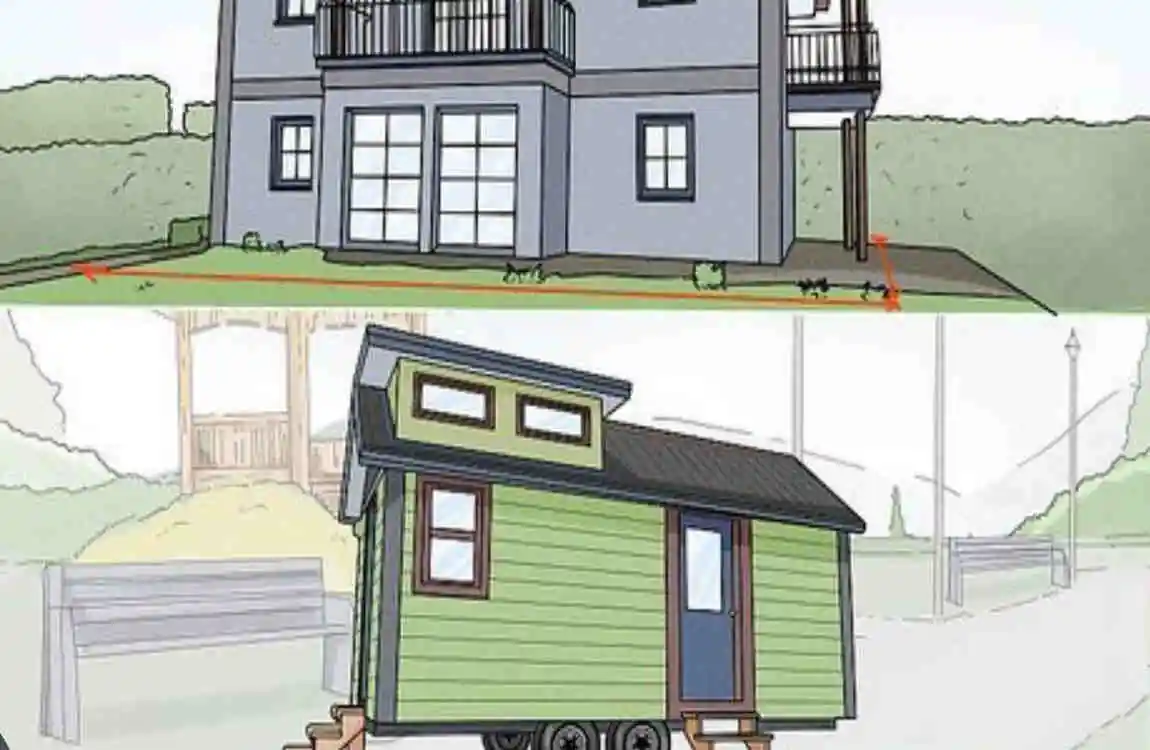
Best Materials for Durability, Aesthetics, and Insulation
When building a big house, selecting the right materials is essential for ensuring durability, enhancing aesthetics, and optimizing insulation. Here are some top choices to consider:
- Exterior Walls: Brick, stone, or fiber cement siding offer durability and a classic look, while insulated concrete forms (ICFs) provide excellent energy efficiency.
- Roofing: Asphalt shingles are a cost-effective option, but metal or tile roofs can last longer and add a touch of elegance to your big house.
- Windows: Energy-efficient vinyl or fiberglass windows can help reduce your heating and cooling costs while maintaining a sleek appearance.
- Flooring: Hardwood, tile, or luxury vinyl plank flooring are durable and stylish choices for high-traffic areas in your big house.
Discuss your material options with your architect and contractor to determine the best fit for your climate, budget, and design preferences.
Modern Construction Methods for Large-Scale Builds
Building a big house can be a time-consuming process, but modern construction methods can help speed up the timeline without sacrificing quality. Here are some techniques to consider:
- Prefabrication: Prefab or modular construction involves building sections of your home off-site and then assembling them on your property. This can significantly reduce construction time and waste.
- Structural Insulated Panels (SIPs): SIPs are pre-fabricated panels that combine insulation and structural components, allowing for faster assembly and improved energy efficiency.
- Insulated Concrete Forms (ICFs): ICFs are hollow blocks or panels made of insulating material that are stacked to form the walls of your big house. Once filled with concrete, they create a strong, energy-efficient structure.
By exploring these modern construction methods, you can streamline the building process and get into your dream home sooner.
Tips for Working with Reliable Contractors
When embarking on a big house build, selecting the right contractor is crucial for ensuring a smooth and successful project. Here are some tips for finding and working with reliable professionals:
- Research and vet potential contractors: Look for builders with experience in large-scale projects and check their references, licenses, and insurance.
- Get multiple bids: Obtain detailed quotes from several contractors to compare pricing and services.
- Communicate your vision and expectations: Clearly articulate your design goals, budget, and timeline to ensure everyone is on the same page.
- Establish a written contract: A comprehensive contract protects both you and the contractor and outlines the scope of work, payment schedule, and other essential details.
- Maintain open communication: Regularly check in with your contractor to address any concerns or changes and keep the project on track.
By following these tips and building a strong working relationship with your contractor, you can navigate the challenges of making a big house with confidence.
