

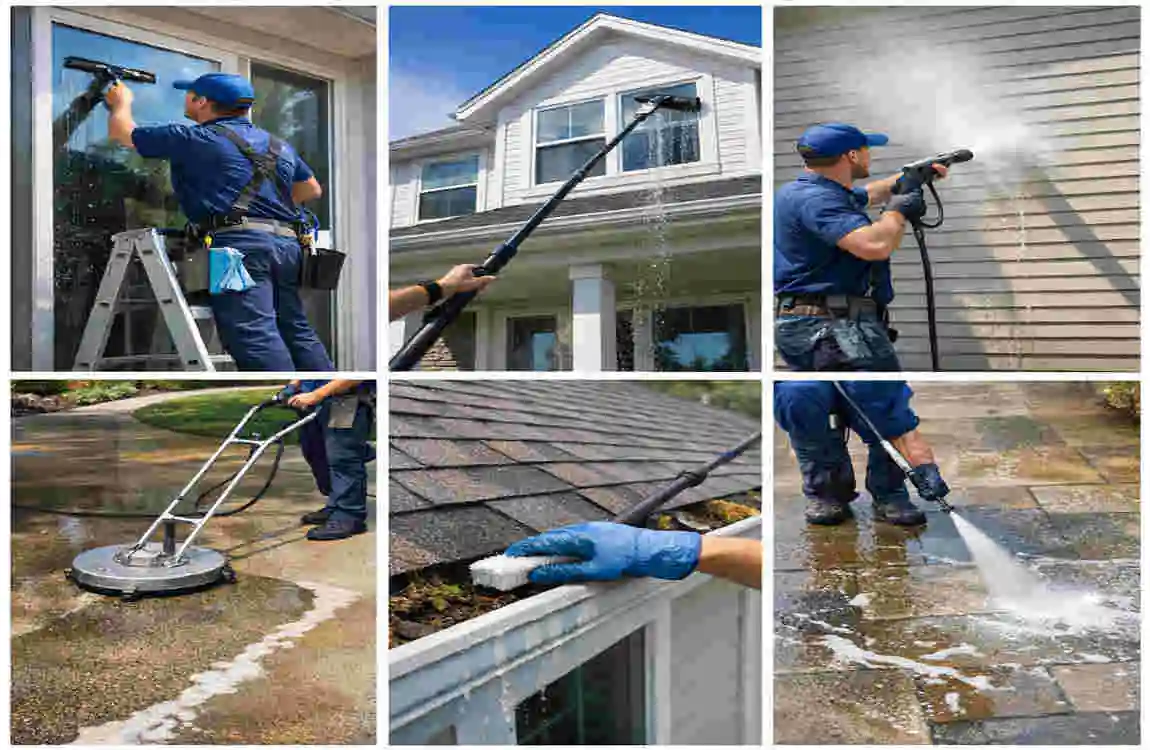
Window and exterior house cleaning is one of the easiest ways to keep a home looking fresh, bright, and well cared for. It does more than improve appearance. It also helps protect surfaces, reduce buildup, and make your home feel cleaner inside and out.
When windows stay clear, more natural light enters the house. When the outside of the home stays clean, siding, paint, gutters, and outdoor surfaces can last longer. That is why regular cleaning is not just about looks. It is also about home care and protection.
Why Window and Exterior House Cleaning Matters
What this kind of cleaning really means
Window and exterior house cleaning means cleaning the visible outside parts of your home. That includes the glass, frames, siding, doors, gutters, patios, and other exterior surfaces.
The goal is to remove dirt, dust, mold, algae, water spots, and other buildup. Over time, these things can make a house look older and even damage surfaces if ignored.
Benefits of regular exterior cleaning
A clean exterior does more than improve curb appeal. It also helps protect your home from long-term wear.
Some of the biggest benefits include:
- Brighter natural light through clean windows
- Better appearance from the street
- Less buildup on siding, glass, and trim
- Reduced risk of damage from grime and moisture
- A more maintained and welcoming home
DIY vs. professional cleaning
You can clean some areas yourself, especially if they are easy to reach. But professional cleaning often gives better results for higher windows, delicate materials, and large exterior surfaces.
Professionals also bring the right tools, safety gear, and cleaning methods. That can save time and reduce the chance of damage.
What you will learn in this guide
By the end of this article, you will understand:
- What exterior cleaning includes
- How windows are cleaned professionally
- What methods are used for siding, patios, and other surfaces
- How to choose a service
- When DIY makes sense and when it does not
Understanding Window and Exterior House Cleaning
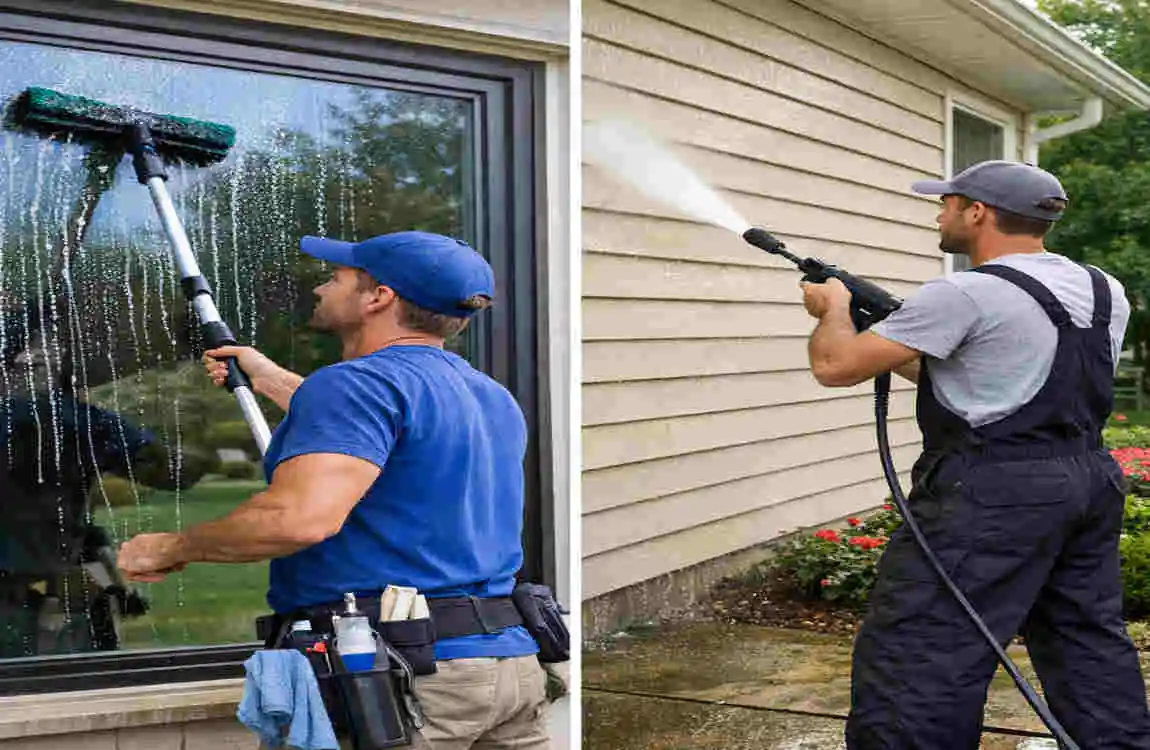
What does exterior house cleaning include?
Exterior cleaning usually covers the main surfaces people see and use outside the home.
That often includes:
- Windows and window frames
- Exterior walls and siding
- Doors and entryways
- Gutters and downspouts
- Patios, decks, and walkways
- Driveways and front areas
Some companies also clean roofs, fences, and outdoor furniture, depending on the service package.
Why clean windows regularly?
Windows collect dust, pollen, fingerprints, water spots, and pollution over time. Even a thin layer of dirt can make your windows look dull.
Regular cleaning helps with:
- More natural light
- Cleaner views
- Better curb appeal
- Protection for glass and seals
- Less buildup on window frames and tracks
If you wait too long, stains can become harder to remove.
How often should a house exterior be cleaned?
No single schedule fits every home. It depends on the weather, surrounding trees, nearby roads, and local climate.
A good general rule is to clean the outside of the home seasonally or at least once or twice a year. Homes in dusty, humid, coastal, or tree-heavy areas may need it more often.
If you notice green algae, dark stains, dirty windows, or clogged gutters, it is probably time.
Professional Window Cleaning Methods
Traditional window cleaning
This is the classic method many people picture. A cleaner uses a solution, a cloth, and a squeegee to clean the glass and remove streaks.
It works well for many homes, especially when the windows are easy to reach. The process is simple but still takes skill to get a spotless finish.
Water-fed pole window cleaning
This method uses a long pole with purified water at the end. It lets professionals clean high windows from the ground.
It is useful because it:
- Reduces ladder use
- Reaches tall windows safely
- Helps rinse away dirt without harsh chemicals
- Works well for upper floors and hard-to-reach glass
Professionals often use this method for larger homes or multi-story properties.
Cleaning window frames, screens, and tracks
Good window cleaning is not just about the glass. Frames, screens, and tracks collect dust and debris too.
If these areas stay dirty, the whole window can look dull again quickly. Cleaning them also helps prevent buildup that can affect how the window opens and closes.
Common window cleaning mistakes
A few mistakes can make the job worse instead of better:
- Using harsh chemicals
- Cleaning in direct hot sunlight
- Using rough or abrasive pads
- Forgetting screens and frames
- Leaving water spots behind
Good window cleaning should be careful, even, and gentle on the surface.
Exterior House Cleaning Techniques
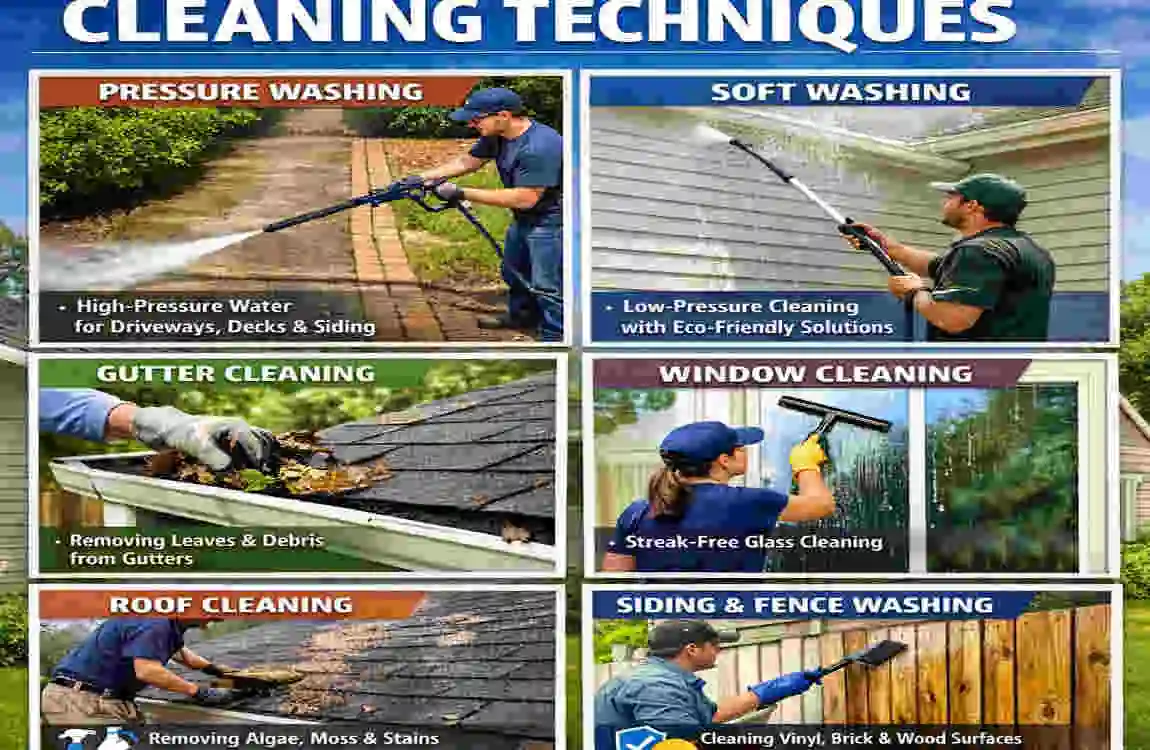
Pressure washing
Pressure washing uses strong water pressure to remove dirt, grime, and stains from tough exterior surfaces. It is often used on concrete, brick, patios, and driveways.
It works well, but you must use it carefully. Too much pressure can damage siding, paint, wood, or mortar.
Soft washing
Soft washing uses lower pressure and special cleaning solutions. It is gentler than pressure washing and is often better for delicate surfaces.
This method is commonly used for:
- Vinyl siding
- Painted surfaces
- Stucco
- Roofs
- Delicate exterior finishes
Soft washing can remove mold and algae without forcing too much water into the material.
Cleaning siding, brick, stucco, and concrete
Different materials need different care. What works for concrete may be too strong for siding.
Surface Best Cleaning Method Why It Works
Vinyl siding Soft washing Gentle and safe for exterior panels
Brick Light pressure washing or soft washing Removes dirt without damaging joints
Stucco Soft washing Protects the surface from cracking or wear
Concrete Pressure washing Strong enough for stains and buildup
Painted surfaces Low-pressure cleaning Helps preserve paint and finish
Roof, gutter, patio, and driveway cleaning
These areas often get overlooked, but they matter.
Roofs can collect moss or algae. Gutters can clog with leaves. Patios can become slippery. Driveways can stain from oil, dirt, or mold.
Professional cleaning can handle these areas safely with the right method.
Preventing damage during cleaning
Cleaning should improve the home, not harm it. That is why the right pressure level and cleaning solution matter so much.
A professional will adjust the method based on the surface type, age, and condition of the home.
Choosing a Professional Window and Exterior House Cleaning Service
What to look for in a cleaning company
Not every cleaning company works the same way. Look for a team that is experienced, careful, and equipped for the job.
Good signs include:
- Training and experience
- Proper tools and cleaning methods
- Insurance and safety practices
- Good customer reviews
- Clear service details
A professional company should explain how they clean and what areas they cover.
Questions to ask before hiring
Before you book a service, ask a few simple questions:
- What is included in the cleaning?
- What products do you use?
- How do you protect delicate surfaces?
- Do you clean high windows and hard-to-reach areas?
- Do you use pressure washing, soft washing, or both?
These questions help you understand whether the service fits your home.
Understanding cleaning costs
Prices can vary a lot depending on the home and the job. The main factors are:
- House size
- Number of windows
- Type of exterior surface
- How dirty the home is
- How often the service is needed
- How easy it is to reach the surfaces
A small one-story home usually costs less than a large two-story property with many windows and detailed exterior surfaces.
DIY vs Professional Exterior Cleaning
When DIY cleaning makes sense
You may be able to handle the job yourself if it is small and simple. For example, ground-level windows, light dusting, and basic seasonal cleaning are often manageable.
DIY can work well when:
- The surfaces are easy to reach
- The buildup is light
- You already have safe tools
- The task is simple and low risk
When to hire professionals
Professional help is a better choice for larger or more difficult jobs.
Hire a pro when you have:
- Multi-story windows
- Heavy dirt or stains
- Mold, algae, or mildew
- Delicate siding or exterior finishes
- Hard-to-reach areas
- Large patios, driveways, or roofs
This keeps the cleaning safer and usually gives better results.
Safety tips for homeowners
If you clean yourself, keep safety in mind.
Remember to:
- Use ladder safety
- Avoid wet, slippery surfaces
- Wear protective gear
- Stay away from electrical hazards
- Never mix cleaning chemicals unless the label says it is safe
A careful approach is always better than rushing.
Window and Exterior House Cleaning Maintenance Plan
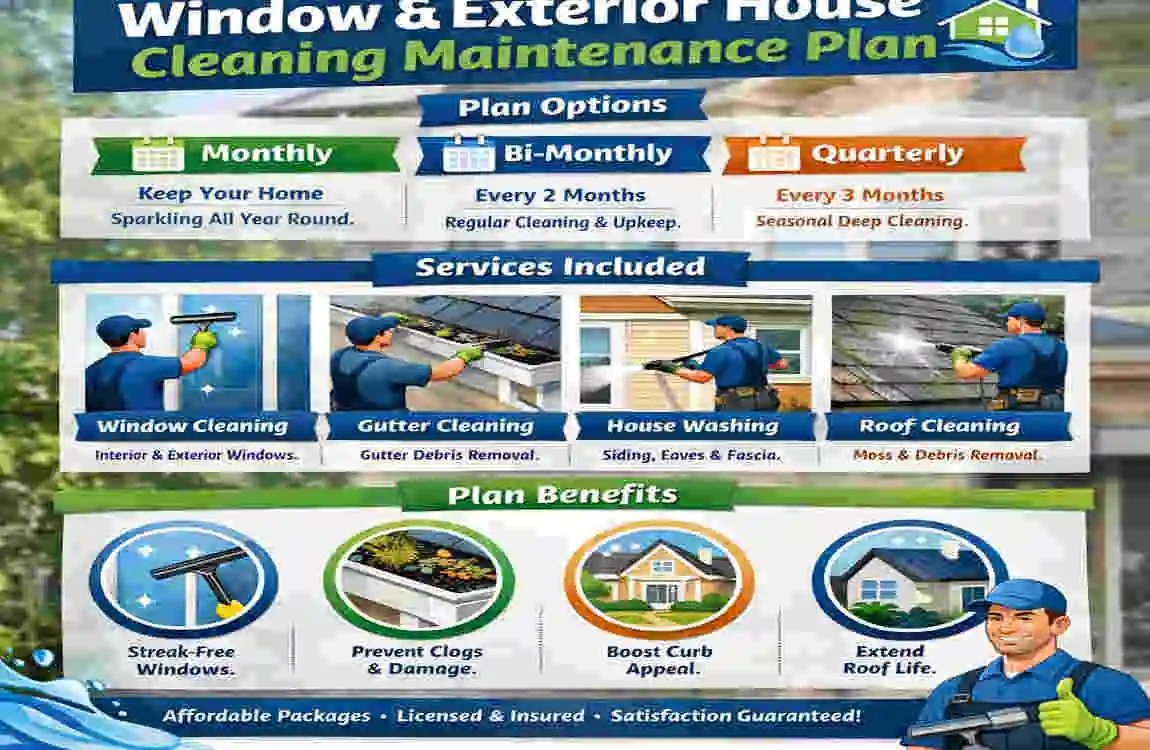
Seasonal cleaning checklist
A simple seasonal plan can help you stay ahead of dirt and damage.
Spring
Clean away pollen, winter grime, and leftover debris.
Summer
Check for water spots, dust, and buildup from heat and dry weather.
Fall
Clear gutters, prepare for rain, and remove leaves or outdoor dirt.
Winter
Watch for moisture, stains, and buildup around windows and entry points.
How to keep windows cleaner for longer
A few small habits can help windows stay clean between professional visits.
Try to:
- Dust frames and sills regularly
- Clean screens from time to time
- Check for broken seals
- Wipe stains early
- Avoid letting dirt build up too long
How to protect your home exterior
Exterior care goes beyond cleaning alone. Also inspect surfaces for signs of wear.
Pay attention to:
- Paint condition
- Siding damage
- Gutter clogs
- Moisture problems
- Mold or algae growth
If you catch these early, you can often prevent bigger repairs later.
Frequently Asked Questions About Window and Exterior House Cleaning
How often should windows be professionally cleaned?
Most homes benefit from professional window cleaning a few times a year, but this depends on weather, dust, and how quickly the glass gets dirty.
How often should you clean the exterior of your house?
Many homeowners clean the exterior seasonally or at least once or twice a year. Homes in wet, dusty, or tree-heavy areas may need more frequent care.
What is the safest way to clean exterior windows?
For upper windows, the safest way is usually to hire a professional. For lower windows, use gentle cleaning tools and avoid using a ladder.
Is pressure washing safe for every house?
No, it is not. Some surfaces are too delicate for high pressure. Soft washing is often better for siding, painted surfaces, and roofs.
What is the difference between pressure washing and soft washing?
Pressure washing uses stronger water pressure. Soft washing uses lower pressure and cleaning solutions, which is safer for delicate surfaces.
Can professional cleaning remove mold and algae?
Yes, in many cases. Professionals use the right cleaning method and products to remove mold, algae, and similar buildup.
How much does window and exterior house cleaning cost?
The price depends on the home’s size, number of windows, surface type, and cleaning difficulty. Larger or harder-to-reach homes usually cost more.
Is professional exterior house cleaning worth it?
For many homes, yes. It saves time, improves appearance, and helps protect exterior surfaces from long-term buildup and damage.
| Cleaning Area | Professional Cleaning Method | Recommended Frequency | Key Benefit |
|---|---|---|---|
| Windows | Glass cleaner, squeegee, microfiber cloth | Every 3–6 months | Clear, streak-free glass |
| Window Frames | Gentle detergent and soft brush | Every 3–6 months | Removes dirt and buildup |
| Exterior Walls | Pressure washing or soft washing | Once a year | Removes dust, stains, and grime |
| Siding | Low-pressure cleaning with suitable solution | Once a year | Maintains appearance |
| Roof | Professional soft washing | As needed | Helps remove moss and algae |
